Feb 11, 2026
Why Democracy?
Jonathan Sumption
Feb 11, 2026
Why Democracy?
Jonathan Sumption
Feb 11, 2026
Why Democracy?
Jonathan Sumption
Feb 11, 2026
Why Democracy?
Jonathan Sumption
Feb 11, 2026
Why Democracy?
Jonathan Sumption
Feb 11, 2026
Why Democracy?
Jonathan Sumption
The first thing that we need to be clear about is what we mean by democracy. Democracy is a purely procedural concept. It is a mechanism for collective self-government, a way of entrusting decision-making to people acceptable to the majority, whose power is defined and limited, and whose mandate is revocable. That may be impossible to achieve without some substantive rights: rights to liberty and security of the person, to freedom of speech and assembly, and to free and fair elections at reasonable intervals. It is also closely related to the rule of law, because the whole concept of limited authority depends on law. The important point, however, is that democracy is about processes, not outcomes. Democracy is not a quest for justice or equality or fairness or human rights, but a way of resolving our inevitable differences about these things.
In any political community there will be differences of interest and opinion between citizens. Some of them will be fundamental. The first task of any constitutional order is to accommodate those differences of opinion and interest, so that we can all live together in a single society without the systematic resort to violence or other forms of coercion. The main reason for preferring liberal democracy as a system of government is that historical experience and political logic suggest that it performs this task better than any other system.
A suitable institutional framework is a necessary but not a sufficient condition for the survival of democracy. All democratic constitutions, whether formal and legal like that of the United States or informal and political like Britain’s, are vulnerable to a collapse of certain basic cultural norms on which democracy depends. They depend on conventions, that is to say, on rules of conduct that are not necessarily imposed by law but which are observed because the political cost of defying them would be too high. Conventions, however, are fragile. They apply only for as long as the political world believes in them and is prepared to impose a high political price on deviants.
This is, however, a model which can only work if our differences are transcended by our common acceptance of the legitimacy of the decision-making process, even when we disagree profoundly with the outcome. You have to care more about making the decision-making process work than about succeeding in your personal ambitions or your political program. You have to believe that the end does not necessarily justify the means. This calls for a culture of political tolerance and cooperative empathy among both politicians and citizens. It requires a willingness to compromise, to choose solutions that may not be ideal but that the widest possible range of opinion can live with. It requires conventions about how even lawful powers will be exercised so as to avoid capricious, vindictive or oppressive decisions. Above all, it requires people to treat political opponents as fellow citizens with whom they disagree, and not as enemies to be smashed. In this sense, democracy calls for what political philosophers from Aristotle and Cicero to Machiavelli called “virtue.” Virtue calls for qualities that do not come naturally to human beings. Yet, miraculously, a bipartisan commitment to the survival of a democratic culture has characterized the democracies of Western Europe and North America now for a century and a half.
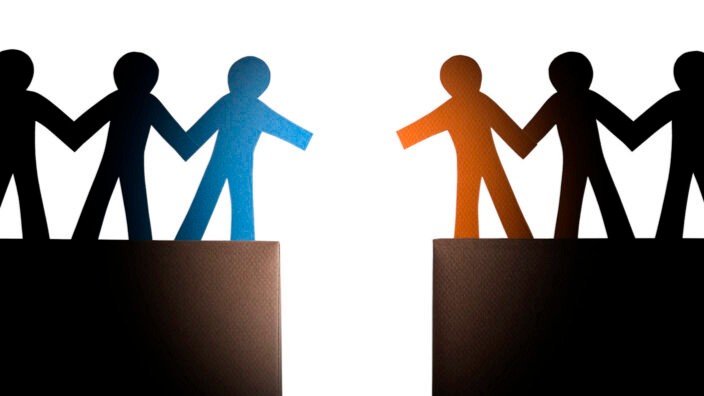
This points us to a fundamental truth. Democracies that fail almost always fail from within. They fail because this culture has died. Without an acceptance of the legitimacy of political differences, even on fundamental questions, people who are disappointed with government will naturally turn to more authoritarian systems that they believe may serve their purpose better. When this happens, the institutional framework usually survives. There are constitutions, elections, legislatures, courts and so on, just as there are today in Vladimir Putin’s Russia. All of these things exist in the United States too, and yet the United States has become a fascinating laboratory of democratic decline. The polarisation of opinion among both lawmakers and citizens has meant that people have lost their common respect for the decision-making process if it yields results that they do not like, as it inevitably will much of the time. Like most constitutions, the constitution of the United States works when people want it to. Perhaps they no longer do. They just want to win.
The first thing that we need to be clear about is what we mean by democracy. Democracy is a purely procedural concept. It is a mechanism for collective self-government, a way of entrusting decision-making to people acceptable to the majority, whose power is defined and limited, and whose mandate is revocable. That may be impossible to achieve without some substantive rights: rights to liberty and security of the person, to freedom of speech and assembly, and to free and fair elections at reasonable intervals. It is also closely related to the rule of law, because the whole concept of limited authority depends on law. The important point, however, is that democracy is about processes, not outcomes. Democracy is not a quest for justice or equality or fairness or human rights, but a way of resolving our inevitable differences about these things.
In any political community there will be differences of interest and opinion between citizens. Some of them will be fundamental. The first task of any constitutional order is to accommodate those differences of opinion and interest, so that we can all live together in a single society without the systematic resort to violence or other forms of coercion. The main reason for preferring liberal democracy as a system of government is that historical experience and political logic suggest that it performs this task better than any other system.
A suitable institutional framework is a necessary but not a sufficient condition for the survival of democracy. All democratic constitutions, whether formal and legal like that of the United States or informal and political like Britain’s, are vulnerable to a collapse of certain basic cultural norms on which democracy depends. They depend on conventions, that is to say, on rules of conduct that are not necessarily imposed by law but which are observed because the political cost of defying them would be too high. Conventions, however, are fragile. They apply only for as long as the political world believes in them and is prepared to impose a high political price on deviants.
This is, however, a model which can only work if our differences are transcended by our common acceptance of the legitimacy of the decision-making process, even when we disagree profoundly with the outcome. You have to care more about making the decision-making process work than about succeeding in your personal ambitions or your political program. You have to believe that the end does not necessarily justify the means. This calls for a culture of political tolerance and cooperative empathy among both politicians and citizens. It requires a willingness to compromise, to choose solutions that may not be ideal but that the widest possible range of opinion can live with. It requires conventions about how even lawful powers will be exercised so as to avoid capricious, vindictive or oppressive decisions. Above all, it requires people to treat political opponents as fellow citizens with whom they disagree, and not as enemies to be smashed. In this sense, democracy calls for what political philosophers from Aristotle and Cicero to Machiavelli called “virtue.” Virtue calls for qualities that do not come naturally to human beings. Yet, miraculously, a bipartisan commitment to the survival of a democratic culture has characterized the democracies of Western Europe and North America now for a century and a half.
This points us to a fundamental truth. Democracies that fail almost always fail from within. They fail because this culture has died. Without an acceptance of the legitimacy of political differences, even on fundamental questions, people who are disappointed with government will naturally turn to more authoritarian systems that they believe may serve their purpose better. When this happens, the institutional framework usually survives. There are constitutions, elections, legislatures, courts and so on, just as there are today in Vladimir Putin’s Russia. All of these things exist in the United States too, and yet the United States has become a fascinating laboratory of democratic decline. The polarisation of opinion among both lawmakers and citizens has meant that people have lost their common respect for the decision-making process if it yields results that they do not like, as it inevitably will much of the time. Like most constitutions, the constitution of the United States works when people want it to. Perhaps they no longer do. They just want to win.
The first thing that we need to be clear about is what we mean by democracy. Democracy is a purely procedural concept. It is a mechanism for collective self-government, a way of entrusting decision-making to people acceptable to the majority, whose power is defined and limited, and whose mandate is revocable. That may be impossible to achieve without some substantive rights: rights to liberty and security of the person, to freedom of speech and assembly, and to free and fair elections at reasonable intervals. It is also closely related to the rule of law, because the whole concept of limited authority depends on law. The important point, however, is that democracy is about processes, not outcomes. Democracy is not a quest for justice or equality or fairness or human rights, but a way of resolving our inevitable differences about these things.
In any political community there will be differences of interest and opinion between citizens. Some of them will be fundamental. The first task of any constitutional order is to accommodate those differences of opinion and interest, so that we can all live together in a single society without the systematic resort to violence or other forms of coercion. The main reason for preferring liberal democracy as a system of government is that historical experience and political logic suggest that it performs this task better than any other system.
A suitable institutional framework is a necessary but not a sufficient condition for the survival of democracy. All democratic constitutions, whether formal and legal like that of the United States or informal and political like Britain’s, are vulnerable to a collapse of certain basic cultural norms on which democracy depends. They depend on conventions, that is to say, on rules of conduct that are not necessarily imposed by law but which are observed because the political cost of defying them would be too high. Conventions, however, are fragile. They apply only for as long as the political world believes in them and is prepared to impose a high political price on deviants.
This is, however, a model which can only work if our differences are transcended by our common acceptance of the legitimacy of the decision-making process, even when we disagree profoundly with the outcome. You have to care more about making the decision-making process work than about succeeding in your personal ambitions or your political program. You have to believe that the end does not necessarily justify the means. This calls for a culture of political tolerance and cooperative empathy among both politicians and citizens. It requires a willingness to compromise, to choose solutions that may not be ideal but that the widest possible range of opinion can live with. It requires conventions about how even lawful powers will be exercised so as to avoid capricious, vindictive or oppressive decisions. Above all, it requires people to treat political opponents as fellow citizens with whom they disagree, and not as enemies to be smashed. In this sense, democracy calls for what political philosophers from Aristotle and Cicero to Machiavelli called “virtue.” Virtue calls for qualities that do not come naturally to human beings. Yet, miraculously, a bipartisan commitment to the survival of a democratic culture has characterized the democracies of Western Europe and North America now for a century and a half.
This points us to a fundamental truth. Democracies that fail almost always fail from within. They fail because this culture has died. Without an acceptance of the legitimacy of political differences, even on fundamental questions, people who are disappointed with government will naturally turn to more authoritarian systems that they believe may serve their purpose better. When this happens, the institutional framework usually survives. There are constitutions, elections, legislatures, courts and so on, just as there are today in Vladimir Putin’s Russia. All of these things exist in the United States too, and yet the United States has become a fascinating laboratory of democratic decline. The polarisation of opinion among both lawmakers and citizens has meant that people have lost their common respect for the decision-making process if it yields results that they do not like, as it inevitably will much of the time. Like most constitutions, the constitution of the United States works when people want it to. Perhaps they no longer do. They just want to win.
The first thing that we need to be clear about is what we mean by democracy. Democracy is a purely procedural concept. It is a mechanism for collective self-government, a way of entrusting decision-making to people acceptable to the majority, whose power is defined and limited, and whose mandate is revocable. That may be impossible to achieve without some substantive rights: rights to liberty and security of the person, to freedom of speech and assembly, and to free and fair elections at reasonable intervals. It is also closely related to the rule of law, because the whole concept of limited authority depends on law. The important point, however, is that democracy is about processes, not outcomes. Democracy is not a quest for justice or equality or fairness or human rights, but a way of resolving our inevitable differences about these things.
In any political community there will be differences of interest and opinion between citizens. Some of them will be fundamental. The first task of any constitutional order is to accommodate those differences of opinion and interest, so that we can all live together in a single society without the systematic resort to violence or other forms of coercion. The main reason for preferring liberal democracy as a system of government is that historical experience and political logic suggest that it performs this task better than any other system.
A suitable institutional framework is a necessary but not a sufficient condition for the survival of democracy. All democratic constitutions, whether formal and legal like that of the United States or informal and political like Britain’s, are vulnerable to a collapse of certain basic cultural norms on which democracy depends. They depend on conventions, that is to say, on rules of conduct that are not necessarily imposed by law but which are observed because the political cost of defying them would be too high. Conventions, however, are fragile. They apply only for as long as the political world believes in them and is prepared to impose a high political price on deviants.
This is, however, a model which can only work if our differences are transcended by our common acceptance of the legitimacy of the decision-making process, even when we disagree profoundly with the outcome. You have to care more about making the decision-making process work than about succeeding in your personal ambitions or your political program. You have to believe that the end does not necessarily justify the means. This calls for a culture of political tolerance and cooperative empathy among both politicians and citizens. It requires a willingness to compromise, to choose solutions that may not be ideal but that the widest possible range of opinion can live with. It requires conventions about how even lawful powers will be exercised so as to avoid capricious, vindictive or oppressive decisions. Above all, it requires people to treat political opponents as fellow citizens with whom they disagree, and not as enemies to be smashed. In this sense, democracy calls for what political philosophers from Aristotle and Cicero to Machiavelli called “virtue.” Virtue calls for qualities that do not come naturally to human beings. Yet, miraculously, a bipartisan commitment to the survival of a democratic culture has characterized the democracies of Western Europe and North America now for a century and a half.
This points us to a fundamental truth. Democracies that fail almost always fail from within. They fail because this culture has died. Without an acceptance of the legitimacy of political differences, even on fundamental questions, people who are disappointed with government will naturally turn to more authoritarian systems that they believe may serve their purpose better. When this happens, the institutional framework usually survives. There are constitutions, elections, legislatures, courts and so on, just as there are today in Vladimir Putin’s Russia. All of these things exist in the United States too, and yet the United States has become a fascinating laboratory of democratic decline. The polarisation of opinion among both lawmakers and citizens has meant that people have lost their common respect for the decision-making process if it yields results that they do not like, as it inevitably will much of the time. Like most constitutions, the constitution of the United States works when people want it to. Perhaps they no longer do. They just want to win.
The first thing that we need to be clear about is what we mean by democracy. Democracy is a purely procedural concept. It is a mechanism for collective self-government, a way of entrusting decision-making to people acceptable to the majority, whose power is defined and limited, and whose mandate is revocable. That may be impossible to achieve without some substantive rights: rights to liberty and security of the person, to freedom of speech and assembly, and to free and fair elections at reasonable intervals. It is also closely related to the rule of law, because the whole concept of limited authority depends on law. The important point, however, is that democracy is about processes, not outcomes. Democracy is not a quest for justice or equality or fairness or human rights, but a way of resolving our inevitable differences about these things.
In any political community there will be differences of interest and opinion between citizens. Some of them will be fundamental. The first task of any constitutional order is to accommodate those differences of opinion and interest, so that we can all live together in a single society without the systematic resort to violence or other forms of coercion. The main reason for preferring liberal democracy as a system of government is that historical experience and political logic suggest that it performs this task better than any other system.
A suitable institutional framework is a necessary but not a sufficient condition for the survival of democracy. All democratic constitutions, whether formal and legal like that of the United States or informal and political like Britain’s, are vulnerable to a collapse of certain basic cultural norms on which democracy depends. They depend on conventions, that is to say, on rules of conduct that are not necessarily imposed by law but which are observed because the political cost of defying them would be too high. Conventions, however, are fragile. They apply only for as long as the political world believes in them and is prepared to impose a high political price on deviants.
This is, however, a model which can only work if our differences are transcended by our common acceptance of the legitimacy of the decision-making process, even when we disagree profoundly with the outcome. You have to care more about making the decision-making process work than about succeeding in your personal ambitions or your political program. You have to believe that the end does not necessarily justify the means. This calls for a culture of political tolerance and cooperative empathy among both politicians and citizens. It requires a willingness to compromise, to choose solutions that may not be ideal but that the widest possible range of opinion can live with. It requires conventions about how even lawful powers will be exercised so as to avoid capricious, vindictive or oppressive decisions. Above all, it requires people to treat political opponents as fellow citizens with whom they disagree, and not as enemies to be smashed. In this sense, democracy calls for what political philosophers from Aristotle and Cicero to Machiavelli called “virtue.” Virtue calls for qualities that do not come naturally to human beings. Yet, miraculously, a bipartisan commitment to the survival of a democratic culture has characterized the democracies of Western Europe and North America now for a century and a half.
This points us to a fundamental truth. Democracies that fail almost always fail from within. They fail because this culture has died. Without an acceptance of the legitimacy of political differences, even on fundamental questions, people who are disappointed with government will naturally turn to more authoritarian systems that they believe may serve their purpose better. When this happens, the institutional framework usually survives. There are constitutions, elections, legislatures, courts and so on, just as there are today in Vladimir Putin’s Russia. All of these things exist in the United States too, and yet the United States has become a fascinating laboratory of democratic decline. The polarisation of opinion among both lawmakers and citizens has meant that people have lost their common respect for the decision-making process if it yields results that they do not like, as it inevitably will much of the time. Like most constitutions, the constitution of the United States works when people want it to. Perhaps they no longer do. They just want to win.
The first thing that we need to be clear about is what we mean by democracy. Democracy is a purely procedural concept. It is a mechanism for collective self-government, a way of entrusting decision-making to people acceptable to the majority, whose power is defined and limited, and whose mandate is revocable. That may be impossible to achieve without some substantive rights: rights to liberty and security of the person, to freedom of speech and assembly, and to free and fair elections at reasonable intervals. It is also closely related to the rule of law, because the whole concept of limited authority depends on law. The important point, however, is that democracy is about processes, not outcomes. Democracy is not a quest for justice or equality or fairness or human rights, but a way of resolving our inevitable differences about these things.
In any political community there will be differences of interest and opinion between citizens. Some of them will be fundamental. The first task of any constitutional order is to accommodate those differences of opinion and interest, so that we can all live together in a single society without the systematic resort to violence or other forms of coercion. The main reason for preferring liberal democracy as a system of government is that historical experience and political logic suggest that it performs this task better than any other system.
A suitable institutional framework is a necessary but not a sufficient condition for the survival of democracy. All democratic constitutions, whether formal and legal like that of the United States or informal and political like Britain’s, are vulnerable to a collapse of certain basic cultural norms on which democracy depends. They depend on conventions, that is to say, on rules of conduct that are not necessarily imposed by law but which are observed because the political cost of defying them would be too high. Conventions, however, are fragile. They apply only for as long as the political world believes in them and is prepared to impose a high political price on deviants.
This is, however, a model which can only work if our differences are transcended by our common acceptance of the legitimacy of the decision-making process, even when we disagree profoundly with the outcome. You have to care more about making the decision-making process work than about succeeding in your personal ambitions or your political program. You have to believe that the end does not necessarily justify the means. This calls for a culture of political tolerance and cooperative empathy among both politicians and citizens. It requires a willingness to compromise, to choose solutions that may not be ideal but that the widest possible range of opinion can live with. It requires conventions about how even lawful powers will be exercised so as to avoid capricious, vindictive or oppressive decisions. Above all, it requires people to treat political opponents as fellow citizens with whom they disagree, and not as enemies to be smashed. In this sense, democracy calls for what political philosophers from Aristotle and Cicero to Machiavelli called “virtue.” Virtue calls for qualities that do not come naturally to human beings. Yet, miraculously, a bipartisan commitment to the survival of a democratic culture has characterized the democracies of Western Europe and North America now for a century and a half.
This points us to a fundamental truth. Democracies that fail almost always fail from within. They fail because this culture has died. Without an acceptance of the legitimacy of political differences, even on fundamental questions, people who are disappointed with government will naturally turn to more authoritarian systems that they believe may serve their purpose better. When this happens, the institutional framework usually survives. There are constitutions, elections, legislatures, courts and so on, just as there are today in Vladimir Putin’s Russia. All of these things exist in the United States too, and yet the United States has become a fascinating laboratory of democratic decline. The polarisation of opinion among both lawmakers and citizens has meant that people have lost their common respect for the decision-making process if it yields results that they do not like, as it inevitably will much of the time. Like most constitutions, the constitution of the United States works when people want it to. Perhaps they no longer do. They just want to win.
About the Author
Jonathan Sumption
Jonathan Sumption is a British judge and historian, who served as a Supreme Court Justice from 2012 – 2018, and is the author of “The Challenges of Democracy and the Rule of Law.”
About the Author
Jonathan Sumption
Jonathan Sumption is a British judge and historian, who served as a Supreme Court Justice from 2012 – 2018, and is the author of “The Challenges of Democracy and the Rule of Law.”
About the Author
Jonathan Sumption
Jonathan Sumption is a British judge and historian, who served as a Supreme Court Justice from 2012 – 2018, and is the author of “The Challenges of Democracy and the Rule of Law.”
More viewpoints in
Congress, The President & The Courts

Sep 3, 2026
The Case for Factions
James Wallner
,
Soren Dayton
Congress, The President & The Courts
Sep 3, 2026
The Case for Factions
James Wallner
,
Soren Dayton
Congress, The President & The Courts
Sep 3, 2026
The Case for Factions
James Wallner
,
Soren Dayton
Congress, The President & The Courts
Sep 1, 2026
How to Get Justice, and Judges, Closer to the People
Julio Ríos-Figueroa
Congress, The President & The Courts
Sep 1, 2026
How to Get Justice, and Judges, Closer to the People
Julio Ríos-Figueroa
Congress, The President & The Courts
Sep 1, 2026
How to Get Justice, and Judges, Closer to the People
Julio Ríos-Figueroa
Congress, The President & The Courts

Jul 29, 2026
The Decline of the Legislative Branch and the Crisis of Statecraft
Robert Greally
Congress, The President & The Courts
Jul 29, 2026
The Decline of the Legislative Branch and the Crisis of Statecraft
Robert Greally
Congress, The President & The Courts
Jul 29, 2026
The Decline of the Legislative Branch and the Crisis of Statecraft
Robert Greally
Congress, The President & The Courts
More viewpoints in
Congress, The President & The Courts
Sep 3, 2026
The Case for Factions
James Wallner
,
Soren Dayton
Congress, The President & The Courts
Sep 1, 2026
How to Get Justice, and Judges, Closer to the People
Julio Ríos-Figueroa
Congress, The President & The Courts
Jul 29, 2026
The Decline of the Legislative Branch and the Crisis of Statecraft
Robert Greally
Congress, The President & The Courts
More viewpoints in
Congress, The President & The Courts
Sep 3, 2026
The Case for Factions
James Wallner
,
Soren Dayton
Congress, The President & The Courts
Sep 1, 2026
How to Get Justice, and Judges, Closer to the People
Julio Ríos-Figueroa
Congress, The President & The Courts
Jul 29, 2026
The Decline of the Legislative Branch and the Crisis of Statecraft
Robert Greally
Congress, The President & The Courts
More viewpoints in
Congress, The President & The Courts
Sep 3, 2026
The Case for Factions
James Wallner
,
Soren Dayton
Congress, The President & The Courts
Sep 1, 2026
How to Get Justice, and Judges, Closer to the People
Julio Ríos-Figueroa
Congress, The President & The Courts
Jul 29, 2026
The Decline of the Legislative Branch and the Crisis of Statecraft
Robert Greally
Congress, The President & The Courts