Feb 9, 2026
Inequality, Collective Power, and Democratic Renewal
Kate Andrias
Feb 9, 2026
Inequality, Collective Power, and Democratic Renewal
Kate Andrias
Feb 9, 2026
Inequality, Collective Power, and Democratic Renewal
Kate Andrias
Feb 9, 2026
Inequality, Collective Power, and Democratic Renewal
Kate Andrias
Feb 9, 2026
Inequality, Collective Power, and Democratic Renewal
Kate Andrias
Feb 9, 2026
Inequality, Collective Power, and Democratic Renewal
Kate Andrias
With each passing week since this essay series commenced, American democracy has come under greater threat. Leading political scientists have concluded that the U.S. is now better described as a competitive autocracy rather than a democracy. President Trump’s recent attacks on core institutions and violations of the rule of law—from the use of violent force by ICE to the investigation of the Federal Reserve Chair and the threats involving Greenland—were unimaginable even a few months ago.
Yet democratic backsliding does not arise solely from the ambitions of individual leaders. It is rooted in deeper structural conditions. Democracies become fragile, in part, when large segments of the population experience economic insecurity while lacking meaningful influence over political decision-making in the face of skyrocketing economic inequality. Under those conditions, faith in democratic institutions erodes, resentment grows and can be nurtured by populist political entrepreneurs in alliance with wealthy interests, and authoritarian appeals based on “us versus them” rhetoric become more persuasive. Defending democracy therefore requires not only restoring the rule of law but rebuilding the social structures that allow ordinary people to exercise collective power and achieve economic security.
Over the last several decades, the United States has experienced a dramatic rise in economic inequality alongside a sharp decline in the political voice of working people. Wealth increasingly translates into political influence with extraordinary efficiency, as shown so vividly by the wealthiest man in the world using his economic clout to reshape the federal government.
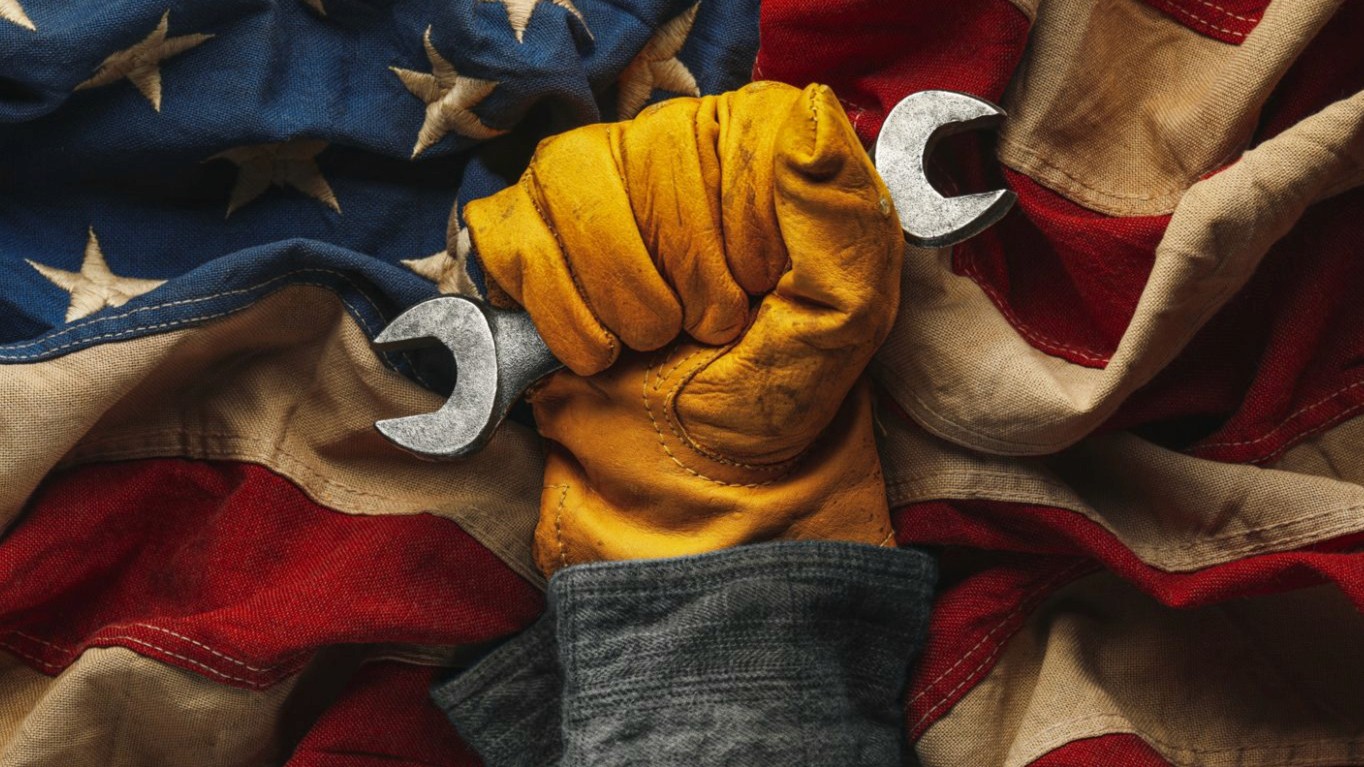
As Benjamin Sachs and I have argued, one of the most important but least discussed drivers of political (and economic) inequality is the erosion of mass-membership organizations among working people—chiefly, but not only, labor unions. For much of the twentieth century, labor unions and federated civic associations, like the American Legion and the National Congress of Parents and Teachers, played a central role in American democracy. These organizations aggregated individual voices into collective power, trained ordinary people in democratic participation, and counterbalanced the political influence of economic elites. But increasingly, in the 1970s and 1980s, corporations exploited weaknesses in labor law to undermine existing unions while resisting new organizing efforts. By 2025, unions’ membership had plummeted to less than 6 percent of private sector employees. Meanwhile, federated civic associations were gradually displaced by professionally managed advocacy groups—organizations that rely on elite donors and staff expertise rather than broad, participatory membership.
Without labor organizations and other durable, member-governed institutions, working class political participation has become episodic and feeble. Individuals may vote or protest, but they lack the organizational capacity to advance their economic interests and to sustain pressure on powerful actors over time. Meanwhile, corporations and wealthy donors continue to benefit from dense organizational infrastructures—trade associations, lobbying firms, and political action committees—that ensure their preferences are consistently represented in policymaking. Increasingly these corporations, and especially their leaders, have allied themselves with populist politicians and movements as they have sought to slash taxes and deregulate the economy.
Where to go from here? As research from Erica Chenoweth and others underscores, mass protest is an essential part of resistance to authoritarianism. Sustained, nonviolent civil resistance has been remarkably effective in challenging authoritarian regimes and forcing political change. Such protests are growing within the United States.
But protest alone is not enough. Successful movements depend on durable organizational capacity—leadership development, resource stability, and institutions capable of sustaining participation over time.
This is where membership organizations become indispensable. They serve as the connective tissue between moments of mass protest and the ongoing work of democratic governance. They allow people to pool resources, develop shared demands, and hold decision-makers accountable across electoral cycles. They also function as “schools of democracy,” training individuals to deliberate, lead, and act collectively.
Crucially, the presence or absence of such organizations is not a natural outcome of culture or technology alone. It is fundamentally shaped by law. Law already structures civil society—often in ways that privilege capital and suppress collective action by the poor and working class. The question is not whether law shapes organizing, but how.
Benjamin Sachs and I have identified a set of concrete legal interventions that can help build durable membership organizations of working people. Among them: law can affirmatively grant collective rights to organize; provide sustainable resources by enabling organizations to collect dues through mechanisms such as payroll or rent deductions, cost-shifting, or public subsidies rather than elite philanthropy; protect individuals from retaliation for organizing or protest; and grant organizations the right to bargain over key political and economic goods at the level where power is exercised. Together, these and other legal interventions can make it easier for movements to develop into durable institutions capable of exercising sustained countervailing power.
Labor law, despite its many limitations, provides a powerful illustration of this dynamic. By granting workers the right to organize, collect dues, bargain collectively, and strike, the Wagner Act, passed in 1935, facilitated the growth of unions that not only improved working conditions but also reshaped American democracy. During the mid-twentieth century, unions boosted political participation, reduced class bias in turnout, and served as a counterweight to corporate power.
Over time, however, the law’s promise was hollowed out—by hostile court interpretations, congressional amendment, weak enforcement, minimal penalties, and a structure for bargaining that became mismatched to the contemporary economy. In addition, from the outset, a racist compromise excluded millions of agricultural and domestic workers from the law’s protection.
Rebuilding democracy therefore requires restoring labor law’s promise by strengthening the right to organize, bargain, and strike for all workers and creating new systems for bargaining at the sectoral level, as well as at the worksite. It also requires extending organizing rights beyond the workplace. While such reform is not currently achievable at the federal level, it should be a top priority when those committed to democracy regain power. In the meantime, progress can be made for workers at the state level, as well as for tenants, debtors, and others, by adopting strategies tailored to those contexts.
To be sure, rebuilding democracy will require a wide range of additional legal and institutional reforms and a great deal of collective effort. But when the opportunity presents, there will be an important choice to be made: We can continue to rely on thin forms of participation while economic power remains concentrated, or we can invest in the collective capacity of ordinary people to govern themselves.
With each passing week since this essay series commenced, American democracy has come under greater threat. Leading political scientists have concluded that the U.S. is now better described as a competitive autocracy rather than a democracy. President Trump’s recent attacks on core institutions and violations of the rule of law—from the use of violent force by ICE to the investigation of the Federal Reserve Chair and the threats involving Greenland—were unimaginable even a few months ago.
Yet democratic backsliding does not arise solely from the ambitions of individual leaders. It is rooted in deeper structural conditions. Democracies become fragile, in part, when large segments of the population experience economic insecurity while lacking meaningful influence over political decision-making in the face of skyrocketing economic inequality. Under those conditions, faith in democratic institutions erodes, resentment grows and can be nurtured by populist political entrepreneurs in alliance with wealthy interests, and authoritarian appeals based on “us versus them” rhetoric become more persuasive. Defending democracy therefore requires not only restoring the rule of law but rebuilding the social structures that allow ordinary people to exercise collective power and achieve economic security.
Over the last several decades, the United States has experienced a dramatic rise in economic inequality alongside a sharp decline in the political voice of working people. Wealth increasingly translates into political influence with extraordinary efficiency, as shown so vividly by the wealthiest man in the world using his economic clout to reshape the federal government.
As Benjamin Sachs and I have argued, one of the most important but least discussed drivers of political (and economic) inequality is the erosion of mass-membership organizations among working people—chiefly, but not only, labor unions. For much of the twentieth century, labor unions and federated civic associations, like the American Legion and the National Congress of Parents and Teachers, played a central role in American democracy. These organizations aggregated individual voices into collective power, trained ordinary people in democratic participation, and counterbalanced the political influence of economic elites. But increasingly, in the 1970s and 1980s, corporations exploited weaknesses in labor law to undermine existing unions while resisting new organizing efforts. By 2025, unions’ membership had plummeted to less than 6 percent of private sector employees. Meanwhile, federated civic associations were gradually displaced by professionally managed advocacy groups—organizations that rely on elite donors and staff expertise rather than broad, participatory membership.
Without labor organizations and other durable, member-governed institutions, working class political participation has become episodic and feeble. Individuals may vote or protest, but they lack the organizational capacity to advance their economic interests and to sustain pressure on powerful actors over time. Meanwhile, corporations and wealthy donors continue to benefit from dense organizational infrastructures—trade associations, lobbying firms, and political action committees—that ensure their preferences are consistently represented in policymaking. Increasingly these corporations, and especially their leaders, have allied themselves with populist politicians and movements as they have sought to slash taxes and deregulate the economy.
Where to go from here? As research from Erica Chenoweth and others underscores, mass protest is an essential part of resistance to authoritarianism. Sustained, nonviolent civil resistance has been remarkably effective in challenging authoritarian regimes and forcing political change. Such protests are growing within the United States.
But protest alone is not enough. Successful movements depend on durable organizational capacity—leadership development, resource stability, and institutions capable of sustaining participation over time.
This is where membership organizations become indispensable. They serve as the connective tissue between moments of mass protest and the ongoing work of democratic governance. They allow people to pool resources, develop shared demands, and hold decision-makers accountable across electoral cycles. They also function as “schools of democracy,” training individuals to deliberate, lead, and act collectively.
Crucially, the presence or absence of such organizations is not a natural outcome of culture or technology alone. It is fundamentally shaped by law. Law already structures civil society—often in ways that privilege capital and suppress collective action by the poor and working class. The question is not whether law shapes organizing, but how.
Benjamin Sachs and I have identified a set of concrete legal interventions that can help build durable membership organizations of working people. Among them: law can affirmatively grant collective rights to organize; provide sustainable resources by enabling organizations to collect dues through mechanisms such as payroll or rent deductions, cost-shifting, or public subsidies rather than elite philanthropy; protect individuals from retaliation for organizing or protest; and grant organizations the right to bargain over key political and economic goods at the level where power is exercised. Together, these and other legal interventions can make it easier for movements to develop into durable institutions capable of exercising sustained countervailing power.
Labor law, despite its many limitations, provides a powerful illustration of this dynamic. By granting workers the right to organize, collect dues, bargain collectively, and strike, the Wagner Act, passed in 1935, facilitated the growth of unions that not only improved working conditions but also reshaped American democracy. During the mid-twentieth century, unions boosted political participation, reduced class bias in turnout, and served as a counterweight to corporate power.
Over time, however, the law’s promise was hollowed out—by hostile court interpretations, congressional amendment, weak enforcement, minimal penalties, and a structure for bargaining that became mismatched to the contemporary economy. In addition, from the outset, a racist compromise excluded millions of agricultural and domestic workers from the law’s protection.
Rebuilding democracy therefore requires restoring labor law’s promise by strengthening the right to organize, bargain, and strike for all workers and creating new systems for bargaining at the sectoral level, as well as at the worksite. It also requires extending organizing rights beyond the workplace. While such reform is not currently achievable at the federal level, it should be a top priority when those committed to democracy regain power. In the meantime, progress can be made for workers at the state level, as well as for tenants, debtors, and others, by adopting strategies tailored to those contexts.
To be sure, rebuilding democracy will require a wide range of additional legal and institutional reforms and a great deal of collective effort. But when the opportunity presents, there will be an important choice to be made: We can continue to rely on thin forms of participation while economic power remains concentrated, or we can invest in the collective capacity of ordinary people to govern themselves.
With each passing week since this essay series commenced, American democracy has come under greater threat. Leading political scientists have concluded that the U.S. is now better described as a competitive autocracy rather than a democracy. President Trump’s recent attacks on core institutions and violations of the rule of law—from the use of violent force by ICE to the investigation of the Federal Reserve Chair and the threats involving Greenland—were unimaginable even a few months ago.
Yet democratic backsliding does not arise solely from the ambitions of individual leaders. It is rooted in deeper structural conditions. Democracies become fragile, in part, when large segments of the population experience economic insecurity while lacking meaningful influence over political decision-making in the face of skyrocketing economic inequality. Under those conditions, faith in democratic institutions erodes, resentment grows and can be nurtured by populist political entrepreneurs in alliance with wealthy interests, and authoritarian appeals based on “us versus them” rhetoric become more persuasive. Defending democracy therefore requires not only restoring the rule of law but rebuilding the social structures that allow ordinary people to exercise collective power and achieve economic security.
Over the last several decades, the United States has experienced a dramatic rise in economic inequality alongside a sharp decline in the political voice of working people. Wealth increasingly translates into political influence with extraordinary efficiency, as shown so vividly by the wealthiest man in the world using his economic clout to reshape the federal government.
As Benjamin Sachs and I have argued, one of the most important but least discussed drivers of political (and economic) inequality is the erosion of mass-membership organizations among working people—chiefly, but not only, labor unions. For much of the twentieth century, labor unions and federated civic associations, like the American Legion and the National Congress of Parents and Teachers, played a central role in American democracy. These organizations aggregated individual voices into collective power, trained ordinary people in democratic participation, and counterbalanced the political influence of economic elites. But increasingly, in the 1970s and 1980s, corporations exploited weaknesses in labor law to undermine existing unions while resisting new organizing efforts. By 2025, unions’ membership had plummeted to less than 6 percent of private sector employees. Meanwhile, federated civic associations were gradually displaced by professionally managed advocacy groups—organizations that rely on elite donors and staff expertise rather than broad, participatory membership.
Without labor organizations and other durable, member-governed institutions, working class political participation has become episodic and feeble. Individuals may vote or protest, but they lack the organizational capacity to advance their economic interests and to sustain pressure on powerful actors over time. Meanwhile, corporations and wealthy donors continue to benefit from dense organizational infrastructures—trade associations, lobbying firms, and political action committees—that ensure their preferences are consistently represented in policymaking. Increasingly these corporations, and especially their leaders, have allied themselves with populist politicians and movements as they have sought to slash taxes and deregulate the economy.
Where to go from here? As research from Erica Chenoweth and others underscores, mass protest is an essential part of resistance to authoritarianism. Sustained, nonviolent civil resistance has been remarkably effective in challenging authoritarian regimes and forcing political change. Such protests are growing within the United States.
But protest alone is not enough. Successful movements depend on durable organizational capacity—leadership development, resource stability, and institutions capable of sustaining participation over time.
This is where membership organizations become indispensable. They serve as the connective tissue between moments of mass protest and the ongoing work of democratic governance. They allow people to pool resources, develop shared demands, and hold decision-makers accountable across electoral cycles. They also function as “schools of democracy,” training individuals to deliberate, lead, and act collectively.
Crucially, the presence or absence of such organizations is not a natural outcome of culture or technology alone. It is fundamentally shaped by law. Law already structures civil society—often in ways that privilege capital and suppress collective action by the poor and working class. The question is not whether law shapes organizing, but how.
Benjamin Sachs and I have identified a set of concrete legal interventions that can help build durable membership organizations of working people. Among them: law can affirmatively grant collective rights to organize; provide sustainable resources by enabling organizations to collect dues through mechanisms such as payroll or rent deductions, cost-shifting, or public subsidies rather than elite philanthropy; protect individuals from retaliation for organizing or protest; and grant organizations the right to bargain over key political and economic goods at the level where power is exercised. Together, these and other legal interventions can make it easier for movements to develop into durable institutions capable of exercising sustained countervailing power.
Labor law, despite its many limitations, provides a powerful illustration of this dynamic. By granting workers the right to organize, collect dues, bargain collectively, and strike, the Wagner Act, passed in 1935, facilitated the growth of unions that not only improved working conditions but also reshaped American democracy. During the mid-twentieth century, unions boosted political participation, reduced class bias in turnout, and served as a counterweight to corporate power.
Over time, however, the law’s promise was hollowed out—by hostile court interpretations, congressional amendment, weak enforcement, minimal penalties, and a structure for bargaining that became mismatched to the contemporary economy. In addition, from the outset, a racist compromise excluded millions of agricultural and domestic workers from the law’s protection.
Rebuilding democracy therefore requires restoring labor law’s promise by strengthening the right to organize, bargain, and strike for all workers and creating new systems for bargaining at the sectoral level, as well as at the worksite. It also requires extending organizing rights beyond the workplace. While such reform is not currently achievable at the federal level, it should be a top priority when those committed to democracy regain power. In the meantime, progress can be made for workers at the state level, as well as for tenants, debtors, and others, by adopting strategies tailored to those contexts.
To be sure, rebuilding democracy will require a wide range of additional legal and institutional reforms and a great deal of collective effort. But when the opportunity presents, there will be an important choice to be made: We can continue to rely on thin forms of participation while economic power remains concentrated, or we can invest in the collective capacity of ordinary people to govern themselves.
With each passing week since this essay series commenced, American democracy has come under greater threat. Leading political scientists have concluded that the U.S. is now better described as a competitive autocracy rather than a democracy. President Trump’s recent attacks on core institutions and violations of the rule of law—from the use of violent force by ICE to the investigation of the Federal Reserve Chair and the threats involving Greenland—were unimaginable even a few months ago.
Yet democratic backsliding does not arise solely from the ambitions of individual leaders. It is rooted in deeper structural conditions. Democracies become fragile, in part, when large segments of the population experience economic insecurity while lacking meaningful influence over political decision-making in the face of skyrocketing economic inequality. Under those conditions, faith in democratic institutions erodes, resentment grows and can be nurtured by populist political entrepreneurs in alliance with wealthy interests, and authoritarian appeals based on “us versus them” rhetoric become more persuasive. Defending democracy therefore requires not only restoring the rule of law but rebuilding the social structures that allow ordinary people to exercise collective power and achieve economic security.
Over the last several decades, the United States has experienced a dramatic rise in economic inequality alongside a sharp decline in the political voice of working people. Wealth increasingly translates into political influence with extraordinary efficiency, as shown so vividly by the wealthiest man in the world using his economic clout to reshape the federal government.
As Benjamin Sachs and I have argued, one of the most important but least discussed drivers of political (and economic) inequality is the erosion of mass-membership organizations among working people—chiefly, but not only, labor unions. For much of the twentieth century, labor unions and federated civic associations, like the American Legion and the National Congress of Parents and Teachers, played a central role in American democracy. These organizations aggregated individual voices into collective power, trained ordinary people in democratic participation, and counterbalanced the political influence of economic elites. But increasingly, in the 1970s and 1980s, corporations exploited weaknesses in labor law to undermine existing unions while resisting new organizing efforts. By 2025, unions’ membership had plummeted to less than 6 percent of private sector employees. Meanwhile, federated civic associations were gradually displaced by professionally managed advocacy groups—organizations that rely on elite donors and staff expertise rather than broad, participatory membership.
Without labor organizations and other durable, member-governed institutions, working class political participation has become episodic and feeble. Individuals may vote or protest, but they lack the organizational capacity to advance their economic interests and to sustain pressure on powerful actors over time. Meanwhile, corporations and wealthy donors continue to benefit from dense organizational infrastructures—trade associations, lobbying firms, and political action committees—that ensure their preferences are consistently represented in policymaking. Increasingly these corporations, and especially their leaders, have allied themselves with populist politicians and movements as they have sought to slash taxes and deregulate the economy.
Where to go from here? As research from Erica Chenoweth and others underscores, mass protest is an essential part of resistance to authoritarianism. Sustained, nonviolent civil resistance has been remarkably effective in challenging authoritarian regimes and forcing political change. Such protests are growing within the United States.
But protest alone is not enough. Successful movements depend on durable organizational capacity—leadership development, resource stability, and institutions capable of sustaining participation over time.
This is where membership organizations become indispensable. They serve as the connective tissue between moments of mass protest and the ongoing work of democratic governance. They allow people to pool resources, develop shared demands, and hold decision-makers accountable across electoral cycles. They also function as “schools of democracy,” training individuals to deliberate, lead, and act collectively.
Crucially, the presence or absence of such organizations is not a natural outcome of culture or technology alone. It is fundamentally shaped by law. Law already structures civil society—often in ways that privilege capital and suppress collective action by the poor and working class. The question is not whether law shapes organizing, but how.
Benjamin Sachs and I have identified a set of concrete legal interventions that can help build durable membership organizations of working people. Among them: law can affirmatively grant collective rights to organize; provide sustainable resources by enabling organizations to collect dues through mechanisms such as payroll or rent deductions, cost-shifting, or public subsidies rather than elite philanthropy; protect individuals from retaliation for organizing or protest; and grant organizations the right to bargain over key political and economic goods at the level where power is exercised. Together, these and other legal interventions can make it easier for movements to develop into durable institutions capable of exercising sustained countervailing power.
Labor law, despite its many limitations, provides a powerful illustration of this dynamic. By granting workers the right to organize, collect dues, bargain collectively, and strike, the Wagner Act, passed in 1935, facilitated the growth of unions that not only improved working conditions but also reshaped American democracy. During the mid-twentieth century, unions boosted political participation, reduced class bias in turnout, and served as a counterweight to corporate power.
Over time, however, the law’s promise was hollowed out—by hostile court interpretations, congressional amendment, weak enforcement, minimal penalties, and a structure for bargaining that became mismatched to the contemporary economy. In addition, from the outset, a racist compromise excluded millions of agricultural and domestic workers from the law’s protection.
Rebuilding democracy therefore requires restoring labor law’s promise by strengthening the right to organize, bargain, and strike for all workers and creating new systems for bargaining at the sectoral level, as well as at the worksite. It also requires extending organizing rights beyond the workplace. While such reform is not currently achievable at the federal level, it should be a top priority when those committed to democracy regain power. In the meantime, progress can be made for workers at the state level, as well as for tenants, debtors, and others, by adopting strategies tailored to those contexts.
To be sure, rebuilding democracy will require a wide range of additional legal and institutional reforms and a great deal of collective effort. But when the opportunity presents, there will be an important choice to be made: We can continue to rely on thin forms of participation while economic power remains concentrated, or we can invest in the collective capacity of ordinary people to govern themselves.
With each passing week since this essay series commenced, American democracy has come under greater threat. Leading political scientists have concluded that the U.S. is now better described as a competitive autocracy rather than a democracy. President Trump’s recent attacks on core institutions and violations of the rule of law—from the use of violent force by ICE to the investigation of the Federal Reserve Chair and the threats involving Greenland—were unimaginable even a few months ago.
Yet democratic backsliding does not arise solely from the ambitions of individual leaders. It is rooted in deeper structural conditions. Democracies become fragile, in part, when large segments of the population experience economic insecurity while lacking meaningful influence over political decision-making in the face of skyrocketing economic inequality. Under those conditions, faith in democratic institutions erodes, resentment grows and can be nurtured by populist political entrepreneurs in alliance with wealthy interests, and authoritarian appeals based on “us versus them” rhetoric become more persuasive. Defending democracy therefore requires not only restoring the rule of law but rebuilding the social structures that allow ordinary people to exercise collective power and achieve economic security.
Over the last several decades, the United States has experienced a dramatic rise in economic inequality alongside a sharp decline in the political voice of working people. Wealth increasingly translates into political influence with extraordinary efficiency, as shown so vividly by the wealthiest man in the world using his economic clout to reshape the federal government.
As Benjamin Sachs and I have argued, one of the most important but least discussed drivers of political (and economic) inequality is the erosion of mass-membership organizations among working people—chiefly, but not only, labor unions. For much of the twentieth century, labor unions and federated civic associations, like the American Legion and the National Congress of Parents and Teachers, played a central role in American democracy. These organizations aggregated individual voices into collective power, trained ordinary people in democratic participation, and counterbalanced the political influence of economic elites. But increasingly, in the 1970s and 1980s, corporations exploited weaknesses in labor law to undermine existing unions while resisting new organizing efforts. By 2025, unions’ membership had plummeted to less than 6 percent of private sector employees. Meanwhile, federated civic associations were gradually displaced by professionally managed advocacy groups—organizations that rely on elite donors and staff expertise rather than broad, participatory membership.
Without labor organizations and other durable, member-governed institutions, working class political participation has become episodic and feeble. Individuals may vote or protest, but they lack the organizational capacity to advance their economic interests and to sustain pressure on powerful actors over time. Meanwhile, corporations and wealthy donors continue to benefit from dense organizational infrastructures—trade associations, lobbying firms, and political action committees—that ensure their preferences are consistently represented in policymaking. Increasingly these corporations, and especially their leaders, have allied themselves with populist politicians and movements as they have sought to slash taxes and deregulate the economy.
Where to go from here? As research from Erica Chenoweth and others underscores, mass protest is an essential part of resistance to authoritarianism. Sustained, nonviolent civil resistance has been remarkably effective in challenging authoritarian regimes and forcing political change. Such protests are growing within the United States.
But protest alone is not enough. Successful movements depend on durable organizational capacity—leadership development, resource stability, and institutions capable of sustaining participation over time.
This is where membership organizations become indispensable. They serve as the connective tissue between moments of mass protest and the ongoing work of democratic governance. They allow people to pool resources, develop shared demands, and hold decision-makers accountable across electoral cycles. They also function as “schools of democracy,” training individuals to deliberate, lead, and act collectively.
Crucially, the presence or absence of such organizations is not a natural outcome of culture or technology alone. It is fundamentally shaped by law. Law already structures civil society—often in ways that privilege capital and suppress collective action by the poor and working class. The question is not whether law shapes organizing, but how.
Benjamin Sachs and I have identified a set of concrete legal interventions that can help build durable membership organizations of working people. Among them: law can affirmatively grant collective rights to organize; provide sustainable resources by enabling organizations to collect dues through mechanisms such as payroll or rent deductions, cost-shifting, or public subsidies rather than elite philanthropy; protect individuals from retaliation for organizing or protest; and grant organizations the right to bargain over key political and economic goods at the level where power is exercised. Together, these and other legal interventions can make it easier for movements to develop into durable institutions capable of exercising sustained countervailing power.
Labor law, despite its many limitations, provides a powerful illustration of this dynamic. By granting workers the right to organize, collect dues, bargain collectively, and strike, the Wagner Act, passed in 1935, facilitated the growth of unions that not only improved working conditions but also reshaped American democracy. During the mid-twentieth century, unions boosted political participation, reduced class bias in turnout, and served as a counterweight to corporate power.
Over time, however, the law’s promise was hollowed out—by hostile court interpretations, congressional amendment, weak enforcement, minimal penalties, and a structure for bargaining that became mismatched to the contemporary economy. In addition, from the outset, a racist compromise excluded millions of agricultural and domestic workers from the law’s protection.
Rebuilding democracy therefore requires restoring labor law’s promise by strengthening the right to organize, bargain, and strike for all workers and creating new systems for bargaining at the sectoral level, as well as at the worksite. It also requires extending organizing rights beyond the workplace. While such reform is not currently achievable at the federal level, it should be a top priority when those committed to democracy regain power. In the meantime, progress can be made for workers at the state level, as well as for tenants, debtors, and others, by adopting strategies tailored to those contexts.
To be sure, rebuilding democracy will require a wide range of additional legal and institutional reforms and a great deal of collective effort. But when the opportunity presents, there will be an important choice to be made: We can continue to rely on thin forms of participation while economic power remains concentrated, or we can invest in the collective capacity of ordinary people to govern themselves.
With each passing week since this essay series commenced, American democracy has come under greater threat. Leading political scientists have concluded that the U.S. is now better described as a competitive autocracy rather than a democracy. President Trump’s recent attacks on core institutions and violations of the rule of law—from the use of violent force by ICE to the investigation of the Federal Reserve Chair and the threats involving Greenland—were unimaginable even a few months ago.
Yet democratic backsliding does not arise solely from the ambitions of individual leaders. It is rooted in deeper structural conditions. Democracies become fragile, in part, when large segments of the population experience economic insecurity while lacking meaningful influence over political decision-making in the face of skyrocketing economic inequality. Under those conditions, faith in democratic institutions erodes, resentment grows and can be nurtured by populist political entrepreneurs in alliance with wealthy interests, and authoritarian appeals based on “us versus them” rhetoric become more persuasive. Defending democracy therefore requires not only restoring the rule of law but rebuilding the social structures that allow ordinary people to exercise collective power and achieve economic security.
Over the last several decades, the United States has experienced a dramatic rise in economic inequality alongside a sharp decline in the political voice of working people. Wealth increasingly translates into political influence with extraordinary efficiency, as shown so vividly by the wealthiest man in the world using his economic clout to reshape the federal government.
As Benjamin Sachs and I have argued, one of the most important but least discussed drivers of political (and economic) inequality is the erosion of mass-membership organizations among working people—chiefly, but not only, labor unions. For much of the twentieth century, labor unions and federated civic associations, like the American Legion and the National Congress of Parents and Teachers, played a central role in American democracy. These organizations aggregated individual voices into collective power, trained ordinary people in democratic participation, and counterbalanced the political influence of economic elites. But increasingly, in the 1970s and 1980s, corporations exploited weaknesses in labor law to undermine existing unions while resisting new organizing efforts. By 2025, unions’ membership had plummeted to less than 6 percent of private sector employees. Meanwhile, federated civic associations were gradually displaced by professionally managed advocacy groups—organizations that rely on elite donors and staff expertise rather than broad, participatory membership.
Without labor organizations and other durable, member-governed institutions, working class political participation has become episodic and feeble. Individuals may vote or protest, but they lack the organizational capacity to advance their economic interests and to sustain pressure on powerful actors over time. Meanwhile, corporations and wealthy donors continue to benefit from dense organizational infrastructures—trade associations, lobbying firms, and political action committees—that ensure their preferences are consistently represented in policymaking. Increasingly these corporations, and especially their leaders, have allied themselves with populist politicians and movements as they have sought to slash taxes and deregulate the economy.
Where to go from here? As research from Erica Chenoweth and others underscores, mass protest is an essential part of resistance to authoritarianism. Sustained, nonviolent civil resistance has been remarkably effective in challenging authoritarian regimes and forcing political change. Such protests are growing within the United States.
But protest alone is not enough. Successful movements depend on durable organizational capacity—leadership development, resource stability, and institutions capable of sustaining participation over time.
This is where membership organizations become indispensable. They serve as the connective tissue between moments of mass protest and the ongoing work of democratic governance. They allow people to pool resources, develop shared demands, and hold decision-makers accountable across electoral cycles. They also function as “schools of democracy,” training individuals to deliberate, lead, and act collectively.
Crucially, the presence or absence of such organizations is not a natural outcome of culture or technology alone. It is fundamentally shaped by law. Law already structures civil society—often in ways that privilege capital and suppress collective action by the poor and working class. The question is not whether law shapes organizing, but how.
Benjamin Sachs and I have identified a set of concrete legal interventions that can help build durable membership organizations of working people. Among them: law can affirmatively grant collective rights to organize; provide sustainable resources by enabling organizations to collect dues through mechanisms such as payroll or rent deductions, cost-shifting, or public subsidies rather than elite philanthropy; protect individuals from retaliation for organizing or protest; and grant organizations the right to bargain over key political and economic goods at the level where power is exercised. Together, these and other legal interventions can make it easier for movements to develop into durable institutions capable of exercising sustained countervailing power.
Labor law, despite its many limitations, provides a powerful illustration of this dynamic. By granting workers the right to organize, collect dues, bargain collectively, and strike, the Wagner Act, passed in 1935, facilitated the growth of unions that not only improved working conditions but also reshaped American democracy. During the mid-twentieth century, unions boosted political participation, reduced class bias in turnout, and served as a counterweight to corporate power.
Over time, however, the law’s promise was hollowed out—by hostile court interpretations, congressional amendment, weak enforcement, minimal penalties, and a structure for bargaining that became mismatched to the contemporary economy. In addition, from the outset, a racist compromise excluded millions of agricultural and domestic workers from the law’s protection.
Rebuilding democracy therefore requires restoring labor law’s promise by strengthening the right to organize, bargain, and strike for all workers and creating new systems for bargaining at the sectoral level, as well as at the worksite. It also requires extending organizing rights beyond the workplace. While such reform is not currently achievable at the federal level, it should be a top priority when those committed to democracy regain power. In the meantime, progress can be made for workers at the state level, as well as for tenants, debtors, and others, by adopting strategies tailored to those contexts.
To be sure, rebuilding democracy will require a wide range of additional legal and institutional reforms and a great deal of collective effort. But when the opportunity presents, there will be an important choice to be made: We can continue to rely on thin forms of participation while economic power remains concentrated, or we can invest in the collective capacity of ordinary people to govern themselves.
About the Author
Kate Andrias
Kate Andrias is the Patricia D. and R. Paul Yetter Professor of Law at Columbia Law School, where she directs the Columbia Law School Center for Constitutional Governance and the Columbia Labor Lab. Before becoming a law professor, Andrias served as Associate Counsel to the President of the United States and chief of staff in the White House Counsel’s Office. She also worked as a union organizer with the Service Employees International Union and practiced political law at Perkins Coie.
About the Author
Kate Andrias
Kate Andrias is the Patricia D. and R. Paul Yetter Professor of Law at Columbia Law School, where she directs the Columbia Law School Center for Constitutional Governance and the Columbia Labor Lab. Before becoming a law professor, Andrias served as Associate Counsel to the President of the United States and chief of staff in the White House Counsel’s Office. She also worked as a union organizer with the Service Employees International Union and practiced political law at Perkins Coie.
About the Author
Kate Andrias
Kate Andrias is the Patricia D. and R. Paul Yetter Professor of Law at Columbia Law School, where she directs the Columbia Law School Center for Constitutional Governance and the Columbia Labor Lab. Before becoming a law professor, Andrias served as Associate Counsel to the President of the United States and chief of staff in the White House Counsel’s Office. She also worked as a union organizer with the Service Employees International Union and practiced political law at Perkins Coie.
More viewpoints in
Congress, The President & The Courts

Sep 3, 2026
The Case for Factions
James Wallner
,
Soren Dayton
Congress, The President & The Courts
Sep 3, 2026
The Case for Factions
James Wallner
,
Soren Dayton
Congress, The President & The Courts
Sep 3, 2026
The Case for Factions
James Wallner
,
Soren Dayton
Congress, The President & The Courts
Sep 1, 2026
How to Get Justice, and Judges, Closer to the People
Julio Ríos-Figueroa
Congress, The President & The Courts
Sep 1, 2026
How to Get Justice, and Judges, Closer to the People
Julio Ríos-Figueroa
Congress, The President & The Courts
Sep 1, 2026
How to Get Justice, and Judges, Closer to the People
Julio Ríos-Figueroa
Congress, The President & The Courts

Jul 29, 2026
The Decline of the Legislative Branch and the Crisis of Statecraft
Robert Greally
Congress, The President & The Courts
Jul 29, 2026
The Decline of the Legislative Branch and the Crisis of Statecraft
Robert Greally
Congress, The President & The Courts
Jul 29, 2026
The Decline of the Legislative Branch and the Crisis of Statecraft
Robert Greally
Congress, The President & The Courts
More viewpoints in
Congress, The President & The Courts
Sep 3, 2026
The Case for Factions
James Wallner
,
Soren Dayton
Congress, The President & The Courts
Sep 1, 2026
How to Get Justice, and Judges, Closer to the People
Julio Ríos-Figueroa
Congress, The President & The Courts
Jul 29, 2026
The Decline of the Legislative Branch and the Crisis of Statecraft
Robert Greally
Congress, The President & The Courts
More viewpoints in
Congress, The President & The Courts
Sep 3, 2026
The Case for Factions
James Wallner
,
Soren Dayton
Congress, The President & The Courts
Sep 1, 2026
How to Get Justice, and Judges, Closer to the People
Julio Ríos-Figueroa
Congress, The President & The Courts
Jul 29, 2026
The Decline of the Legislative Branch and the Crisis of Statecraft
Robert Greally
Congress, The President & The Courts
More viewpoints in
Congress, The President & The Courts
Sep 3, 2026
The Case for Factions
James Wallner
,
Soren Dayton
Congress, The President & The Courts
Sep 1, 2026
How to Get Justice, and Judges, Closer to the People
Julio Ríos-Figueroa
Congress, The President & The Courts
Jul 29, 2026
The Decline of the Legislative Branch and the Crisis of Statecraft
Robert Greally
Congress, The President & The Courts