May 12, 2026
Dimmed by Design: The Architecture of Accountability in an Age of Autocracy
Justice (R) Syed Mansoor Ali Shah
May 12, 2026
Dimmed by Design: The Architecture of Accountability in an Age of Autocracy
Justice (R) Syed Mansoor Ali Shah
May 12, 2026
Dimmed by Design: The Architecture of Accountability in an Age of Autocracy
Justice (R) Syed Mansoor Ali Shah
May 12, 2026
Dimmed by Design: The Architecture of Accountability in an Age of Autocracy
Justice (R) Syed Mansoor Ali Shah
May 12, 2026
Dimmed by Design: The Architecture of Accountability in an Age of Autocracy
Justice (R) Syed Mansoor Ali Shah
May 12, 2026
Dimmed by Design: The Architecture of Accountability in an Age of Autocracy
Justice (R) Syed Mansoor Ali Shah
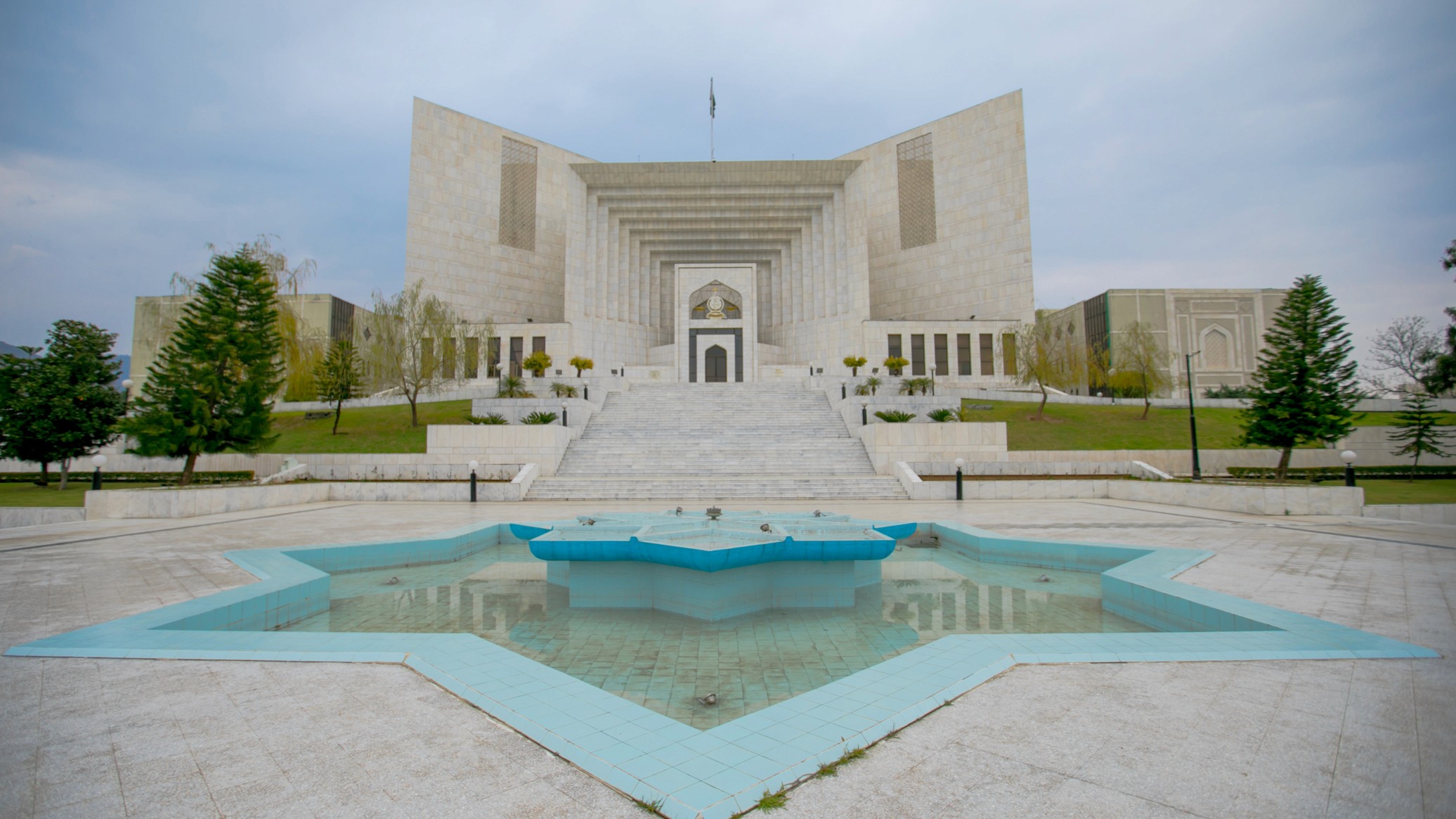
I resigned from the Supreme Court of Pakistan on 13 November 2025. I was the senior-most judge of that Court, and under the seniority convention that had governed Chief Justice appointments for decades, I would, in the ordinary course, have become Chief Justice. The Twenty-Sixth Constitutional Amendment, passed a year earlier, replaced that convention with a panel of three: a parliamentary committee would now select the Chief Justice from among the three most senior judges. No criteria were prescribed. No reasons were required. The Committee passed over me. It passed over the next senior judge. It appointed the third. The message required no decoding.
I could no longer uphold an oath to protect a Constitution from within a court stripped of the authority to protect it. I left.
The New Authoritarianism
Modern authoritarian governments do not need to stage coups. They achieve the elimination of meaningful constitutional constraint through formally legal procedures — what Kim Lane Scheppele has called autocratic legalism. The constitution is not abrogated; it is amended. The court is not closed; it is restructured. The press is not banned; it is bought. The institution survives. Its independence does not.
The pattern repeats with remarkable consistency. In Hungary, Orbán packed the Constitutional Court. In Turkey, four thousand judges were purged overnight in 2016. In India, communal exclusions have been written into citizenship law. In El Salvador, Bukele dismissed the justices who had limited his emergency powers and replaced them within hours. The 2026 Varieties of Democracy report counts ninety-two autocracies against eighty-seven democracies — only twenty-seven of them liberal — and records the United States, for the first time in over fifty years, as no longer a liberal democracy.
The light of judicial independence has not faded by accident. It has been dimmed by design.
Pakistan as Case Study
The trigger in Pakistan was the 2024 Sunni Ittehad Council judgment, in which the Supreme Court found that opposition-aligned independents were entitled to reserved parliamentary seats — a result that would have deprived the ruling coalition of its constitutional majority. The government refused to implement the judgment. It then moved to ensure that no such judgment could ever be delivered again.
The Twenty-Sixth Amendment restructured judicial appointments and replaced the seniority convention with the panel of three. The Twenty-Seventh, in November 2025, completed the dismantlement. It created above the Supreme Court a new Federal Constitutional Court, composed of judges curated under the new appointment process; stripped the Supreme Court of constitutional jurisdiction; permitted the transfer of High Court judges across provinces without their consent — a mechanism for purging independent jurists; and, in a provision of extraordinary audacity, extended absolute lifetime immunity to the heads of the three armed services and to any officer holding the rank of Field Marshal — six months after the Chief of Army Staff was promoted to that rank.
The deepest cut is rarely named. The Federal Constitutional Court has been equipped with the power to disclaim seventy-eight years of Supreme Court jurisprudence as merely persuasive. In its early decisions, it has done exactly that. The accumulated reasoning of a legal order — the record of how a society has answered its hardest constitutional questions across decades — has been declared non-binding by a two-member bench. This is not reform. It is amnesia by design.
Why Judges Give In
Most judicial accommodation occurs not in terror but in quiet offices, with time to think — about the position, the title, the salary, the deference of the courtroom. Lisa Hilbink, in her study of Chilean judges under Pinochet, identified a more disturbing driver: a professional culture of institutionalised apoliticism, in which resistance is treated as a violation of judicial propriety. The colonial common-law tradition produced exactly that culture across South Asia.
But apoliticism is no refuge when the constitution itself has been amended to produce injustice. Gustav Radbruch, writing from the ruins of a German legal system that had retained the forms of law while serving the Nazi state, gave us the vocabulary: gesetzliches Unrecht — statutory lawlessness. An instrument may have the formal appearance of law and yet, by deliberate betrayal of basic justice, lack the essential nature of law. Under that reframing, the burden moves. It is the compliant judge who must explain the departure.
The Republic That Cannot Be Captured
Against the comprehensive landscape of institutional capitulation, one constituency has consistently held the line: artists, poets, writers. Their currency — truth and beauty — is what the state can suppress but cannot manufacture. Faiz wrote Bol — “Speak, for your lips are free” — from a Pakistani prison cell. Habib Jalib's Dastoor was addressed directly to Ayub Khan's authoritarian constitution. Anna Akhmatova, standing in the prison lines of Leningrad, was recognised by a woman with bluish lips who whispered: “Can you describe this?” Akhmatova answered: “I can.”
That answer is the entire justification of the witnessing vocation. It is also why I wrote a resignation letter rather than slipping quietly away.
There is a tradition here that deserves a name: a Global Republic of Letters. Just as authoritarian governments coordinate their assaults — sharing the template of judicial capture from Budapest to Ankara to Islamabad — those who refuse complicity form a counter-tradition that cannot be captured, because its membership is not institutional. It is open to anyone willing to say: I can describe this. And I will.
Where We Begin
The roadmap is not mysterious. Constitutional courts must be doctrinally and structurally insulated from capture. Bar associations must treat the defence of judicial independence as a core professional obligation, not a tradeable asset. And law schools must stop producing technically excellent servants of power and start producing constitutionally grounded democratic citizens. The lawyer who has never been moved by a poem will not be moved by a constitutional argument at two in the morning, when staying silent is easier.
Eleanor Roosevelt asked where human rights begin. Her answer: in small places, close to home — so close and so small that they cannot be seen on any maps of the world. So does democratic resilience — in the accumulation of small refusals: the lawyer who will not take the brief, the judge who will not sign the order, the journalist who will not self-censor, the law student who will not forget what she was taught.
When courts fall silent, societies descend into darkness. On the last page of my resignation letter I found the only language adequate to the moment — the words of Ahmad Faraz:
My pen is a trust held for my people.
My pen is the court of my conscience.
I swear by a lifetime of hardships:
the journey of my pen will not go to waste.
Neither will yours.
I resigned from the Supreme Court of Pakistan on 13 November 2025. I was the senior-most judge of that Court, and under the seniority convention that had governed Chief Justice appointments for decades, I would, in the ordinary course, have become Chief Justice. The Twenty-Sixth Constitutional Amendment, passed a year earlier, replaced that convention with a panel of three: a parliamentary committee would now select the Chief Justice from among the three most senior judges. No criteria were prescribed. No reasons were required. The Committee passed over me. It passed over the next senior judge. It appointed the third. The message required no decoding.
I could no longer uphold an oath to protect a Constitution from within a court stripped of the authority to protect it. I left.
The New Authoritarianism
Modern authoritarian governments do not need to stage coups. They achieve the elimination of meaningful constitutional constraint through formally legal procedures — what Kim Lane Scheppele has called autocratic legalism. The constitution is not abrogated; it is amended. The court is not closed; it is restructured. The press is not banned; it is bought. The institution survives. Its independence does not.
The pattern repeats with remarkable consistency. In Hungary, Orbán packed the Constitutional Court. In Turkey, four thousand judges were purged overnight in 2016. In India, communal exclusions have been written into citizenship law. In El Salvador, Bukele dismissed the justices who had limited his emergency powers and replaced them within hours. The 2026 Varieties of Democracy report counts ninety-two autocracies against eighty-seven democracies — only twenty-seven of them liberal — and records the United States, for the first time in over fifty years, as no longer a liberal democracy.
The light of judicial independence has not faded by accident. It has been dimmed by design.
Pakistan as Case Study
The trigger in Pakistan was the 2024 Sunni Ittehad Council judgment, in which the Supreme Court found that opposition-aligned independents were entitled to reserved parliamentary seats — a result that would have deprived the ruling coalition of its constitutional majority. The government refused to implement the judgment. It then moved to ensure that no such judgment could ever be delivered again.
The Twenty-Sixth Amendment restructured judicial appointments and replaced the seniority convention with the panel of three. The Twenty-Seventh, in November 2025, completed the dismantlement. It created above the Supreme Court a new Federal Constitutional Court, composed of judges curated under the new appointment process; stripped the Supreme Court of constitutional jurisdiction; permitted the transfer of High Court judges across provinces without their consent — a mechanism for purging independent jurists; and, in a provision of extraordinary audacity, extended absolute lifetime immunity to the heads of the three armed services and to any officer holding the rank of Field Marshal — six months after the Chief of Army Staff was promoted to that rank.
The deepest cut is rarely named. The Federal Constitutional Court has been equipped with the power to disclaim seventy-eight years of Supreme Court jurisprudence as merely persuasive. In its early decisions, it has done exactly that. The accumulated reasoning of a legal order — the record of how a society has answered its hardest constitutional questions across decades — has been declared non-binding by a two-member bench. This is not reform. It is amnesia by design.
Why Judges Give In
Most judicial accommodation occurs not in terror but in quiet offices, with time to think — about the position, the title, the salary, the deference of the courtroom. Lisa Hilbink, in her study of Chilean judges under Pinochet, identified a more disturbing driver: a professional culture of institutionalised apoliticism, in which resistance is treated as a violation of judicial propriety. The colonial common-law tradition produced exactly that culture across South Asia.
But apoliticism is no refuge when the constitution itself has been amended to produce injustice. Gustav Radbruch, writing from the ruins of a German legal system that had retained the forms of law while serving the Nazi state, gave us the vocabulary: gesetzliches Unrecht — statutory lawlessness. An instrument may have the formal appearance of law and yet, by deliberate betrayal of basic justice, lack the essential nature of law. Under that reframing, the burden moves. It is the compliant judge who must explain the departure.
The Republic That Cannot Be Captured
Against the comprehensive landscape of institutional capitulation, one constituency has consistently held the line: artists, poets, writers. Their currency — truth and beauty — is what the state can suppress but cannot manufacture. Faiz wrote Bol — “Speak, for your lips are free” — from a Pakistani prison cell. Habib Jalib's Dastoor was addressed directly to Ayub Khan's authoritarian constitution. Anna Akhmatova, standing in the prison lines of Leningrad, was recognised by a woman with bluish lips who whispered: “Can you describe this?” Akhmatova answered: “I can.”
That answer is the entire justification of the witnessing vocation. It is also why I wrote a resignation letter rather than slipping quietly away.
There is a tradition here that deserves a name: a Global Republic of Letters. Just as authoritarian governments coordinate their assaults — sharing the template of judicial capture from Budapest to Ankara to Islamabad — those who refuse complicity form a counter-tradition that cannot be captured, because its membership is not institutional. It is open to anyone willing to say: I can describe this. And I will.
Where We Begin
The roadmap is not mysterious. Constitutional courts must be doctrinally and structurally insulated from capture. Bar associations must treat the defence of judicial independence as a core professional obligation, not a tradeable asset. And law schools must stop producing technically excellent servants of power and start producing constitutionally grounded democratic citizens. The lawyer who has never been moved by a poem will not be moved by a constitutional argument at two in the morning, when staying silent is easier.
Eleanor Roosevelt asked where human rights begin. Her answer: in small places, close to home — so close and so small that they cannot be seen on any maps of the world. So does democratic resilience — in the accumulation of small refusals: the lawyer who will not take the brief, the judge who will not sign the order, the journalist who will not self-censor, the law student who will not forget what she was taught.
When courts fall silent, societies descend into darkness. On the last page of my resignation letter I found the only language adequate to the moment — the words of Ahmad Faraz:
My pen is a trust held for my people.
My pen is the court of my conscience.
I swear by a lifetime of hardships:
the journey of my pen will not go to waste.
Neither will yours.
I resigned from the Supreme Court of Pakistan on 13 November 2025. I was the senior-most judge of that Court, and under the seniority convention that had governed Chief Justice appointments for decades, I would, in the ordinary course, have become Chief Justice. The Twenty-Sixth Constitutional Amendment, passed a year earlier, replaced that convention with a panel of three: a parliamentary committee would now select the Chief Justice from among the three most senior judges. No criteria were prescribed. No reasons were required. The Committee passed over me. It passed over the next senior judge. It appointed the third. The message required no decoding.
I could no longer uphold an oath to protect a Constitution from within a court stripped of the authority to protect it. I left.
The New Authoritarianism
Modern authoritarian governments do not need to stage coups. They achieve the elimination of meaningful constitutional constraint through formally legal procedures — what Kim Lane Scheppele has called autocratic legalism. The constitution is not abrogated; it is amended. The court is not closed; it is restructured. The press is not banned; it is bought. The institution survives. Its independence does not.
The pattern repeats with remarkable consistency. In Hungary, Orbán packed the Constitutional Court. In Turkey, four thousand judges were purged overnight in 2016. In India, communal exclusions have been written into citizenship law. In El Salvador, Bukele dismissed the justices who had limited his emergency powers and replaced them within hours. The 2026 Varieties of Democracy report counts ninety-two autocracies against eighty-seven democracies — only twenty-seven of them liberal — and records the United States, for the first time in over fifty years, as no longer a liberal democracy.
The light of judicial independence has not faded by accident. It has been dimmed by design.
Pakistan as Case Study
The trigger in Pakistan was the 2024 Sunni Ittehad Council judgment, in which the Supreme Court found that opposition-aligned independents were entitled to reserved parliamentary seats — a result that would have deprived the ruling coalition of its constitutional majority. The government refused to implement the judgment. It then moved to ensure that no such judgment could ever be delivered again.
The Twenty-Sixth Amendment restructured judicial appointments and replaced the seniority convention with the panel of three. The Twenty-Seventh, in November 2025, completed the dismantlement. It created above the Supreme Court a new Federal Constitutional Court, composed of judges curated under the new appointment process; stripped the Supreme Court of constitutional jurisdiction; permitted the transfer of High Court judges across provinces without their consent — a mechanism for purging independent jurists; and, in a provision of extraordinary audacity, extended absolute lifetime immunity to the heads of the three armed services and to any officer holding the rank of Field Marshal — six months after the Chief of Army Staff was promoted to that rank.
The deepest cut is rarely named. The Federal Constitutional Court has been equipped with the power to disclaim seventy-eight years of Supreme Court jurisprudence as merely persuasive. In its early decisions, it has done exactly that. The accumulated reasoning of a legal order — the record of how a society has answered its hardest constitutional questions across decades — has been declared non-binding by a two-member bench. This is not reform. It is amnesia by design.
Why Judges Give In
Most judicial accommodation occurs not in terror but in quiet offices, with time to think — about the position, the title, the salary, the deference of the courtroom. Lisa Hilbink, in her study of Chilean judges under Pinochet, identified a more disturbing driver: a professional culture of institutionalised apoliticism, in which resistance is treated as a violation of judicial propriety. The colonial common-law tradition produced exactly that culture across South Asia.
But apoliticism is no refuge when the constitution itself has been amended to produce injustice. Gustav Radbruch, writing from the ruins of a German legal system that had retained the forms of law while serving the Nazi state, gave us the vocabulary: gesetzliches Unrecht — statutory lawlessness. An instrument may have the formal appearance of law and yet, by deliberate betrayal of basic justice, lack the essential nature of law. Under that reframing, the burden moves. It is the compliant judge who must explain the departure.
The Republic That Cannot Be Captured
Against the comprehensive landscape of institutional capitulation, one constituency has consistently held the line: artists, poets, writers. Their currency — truth and beauty — is what the state can suppress but cannot manufacture. Faiz wrote Bol — “Speak, for your lips are free” — from a Pakistani prison cell. Habib Jalib's Dastoor was addressed directly to Ayub Khan's authoritarian constitution. Anna Akhmatova, standing in the prison lines of Leningrad, was recognised by a woman with bluish lips who whispered: “Can you describe this?” Akhmatova answered: “I can.”
That answer is the entire justification of the witnessing vocation. It is also why I wrote a resignation letter rather than slipping quietly away.
There is a tradition here that deserves a name: a Global Republic of Letters. Just as authoritarian governments coordinate their assaults — sharing the template of judicial capture from Budapest to Ankara to Islamabad — those who refuse complicity form a counter-tradition that cannot be captured, because its membership is not institutional. It is open to anyone willing to say: I can describe this. And I will.
Where We Begin
The roadmap is not mysterious. Constitutional courts must be doctrinally and structurally insulated from capture. Bar associations must treat the defence of judicial independence as a core professional obligation, not a tradeable asset. And law schools must stop producing technically excellent servants of power and start producing constitutionally grounded democratic citizens. The lawyer who has never been moved by a poem will not be moved by a constitutional argument at two in the morning, when staying silent is easier.
Eleanor Roosevelt asked where human rights begin. Her answer: in small places, close to home — so close and so small that they cannot be seen on any maps of the world. So does democratic resilience — in the accumulation of small refusals: the lawyer who will not take the brief, the judge who will not sign the order, the journalist who will not self-censor, the law student who will not forget what she was taught.
When courts fall silent, societies descend into darkness. On the last page of my resignation letter I found the only language adequate to the moment — the words of Ahmad Faraz:
My pen is a trust held for my people.
My pen is the court of my conscience.
I swear by a lifetime of hardships:
the journey of my pen will not go to waste.
Neither will yours.
I resigned from the Supreme Court of Pakistan on 13 November 2025. I was the senior-most judge of that Court, and under the seniority convention that had governed Chief Justice appointments for decades, I would, in the ordinary course, have become Chief Justice. The Twenty-Sixth Constitutional Amendment, passed a year earlier, replaced that convention with a panel of three: a parliamentary committee would now select the Chief Justice from among the three most senior judges. No criteria were prescribed. No reasons were required. The Committee passed over me. It passed over the next senior judge. It appointed the third. The message required no decoding.
I could no longer uphold an oath to protect a Constitution from within a court stripped of the authority to protect it. I left.
The New Authoritarianism
Modern authoritarian governments do not need to stage coups. They achieve the elimination of meaningful constitutional constraint through formally legal procedures — what Kim Lane Scheppele has called autocratic legalism. The constitution is not abrogated; it is amended. The court is not closed; it is restructured. The press is not banned; it is bought. The institution survives. Its independence does not.
The pattern repeats with remarkable consistency. In Hungary, Orbán packed the Constitutional Court. In Turkey, four thousand judges were purged overnight in 2016. In India, communal exclusions have been written into citizenship law. In El Salvador, Bukele dismissed the justices who had limited his emergency powers and replaced them within hours. The 2026 Varieties of Democracy report counts ninety-two autocracies against eighty-seven democracies — only twenty-seven of them liberal — and records the United States, for the first time in over fifty years, as no longer a liberal democracy.
The light of judicial independence has not faded by accident. It has been dimmed by design.
Pakistan as Case Study
The trigger in Pakistan was the 2024 Sunni Ittehad Council judgment, in which the Supreme Court found that opposition-aligned independents were entitled to reserved parliamentary seats — a result that would have deprived the ruling coalition of its constitutional majority. The government refused to implement the judgment. It then moved to ensure that no such judgment could ever be delivered again.
The Twenty-Sixth Amendment restructured judicial appointments and replaced the seniority convention with the panel of three. The Twenty-Seventh, in November 2025, completed the dismantlement. It created above the Supreme Court a new Federal Constitutional Court, composed of judges curated under the new appointment process; stripped the Supreme Court of constitutional jurisdiction; permitted the transfer of High Court judges across provinces without their consent — a mechanism for purging independent jurists; and, in a provision of extraordinary audacity, extended absolute lifetime immunity to the heads of the three armed services and to any officer holding the rank of Field Marshal — six months after the Chief of Army Staff was promoted to that rank.
The deepest cut is rarely named. The Federal Constitutional Court has been equipped with the power to disclaim seventy-eight years of Supreme Court jurisprudence as merely persuasive. In its early decisions, it has done exactly that. The accumulated reasoning of a legal order — the record of how a society has answered its hardest constitutional questions across decades — has been declared non-binding by a two-member bench. This is not reform. It is amnesia by design.
Why Judges Give In
Most judicial accommodation occurs not in terror but in quiet offices, with time to think — about the position, the title, the salary, the deference of the courtroom. Lisa Hilbink, in her study of Chilean judges under Pinochet, identified a more disturbing driver: a professional culture of institutionalised apoliticism, in which resistance is treated as a violation of judicial propriety. The colonial common-law tradition produced exactly that culture across South Asia.
But apoliticism is no refuge when the constitution itself has been amended to produce injustice. Gustav Radbruch, writing from the ruins of a German legal system that had retained the forms of law while serving the Nazi state, gave us the vocabulary: gesetzliches Unrecht — statutory lawlessness. An instrument may have the formal appearance of law and yet, by deliberate betrayal of basic justice, lack the essential nature of law. Under that reframing, the burden moves. It is the compliant judge who must explain the departure.
The Republic That Cannot Be Captured
Against the comprehensive landscape of institutional capitulation, one constituency has consistently held the line: artists, poets, writers. Their currency — truth and beauty — is what the state can suppress but cannot manufacture. Faiz wrote Bol — “Speak, for your lips are free” — from a Pakistani prison cell. Habib Jalib's Dastoor was addressed directly to Ayub Khan's authoritarian constitution. Anna Akhmatova, standing in the prison lines of Leningrad, was recognised by a woman with bluish lips who whispered: “Can you describe this?” Akhmatova answered: “I can.”
That answer is the entire justification of the witnessing vocation. It is also why I wrote a resignation letter rather than slipping quietly away.
There is a tradition here that deserves a name: a Global Republic of Letters. Just as authoritarian governments coordinate their assaults — sharing the template of judicial capture from Budapest to Ankara to Islamabad — those who refuse complicity form a counter-tradition that cannot be captured, because its membership is not institutional. It is open to anyone willing to say: I can describe this. And I will.
Where We Begin
The roadmap is not mysterious. Constitutional courts must be doctrinally and structurally insulated from capture. Bar associations must treat the defence of judicial independence as a core professional obligation, not a tradeable asset. And law schools must stop producing technically excellent servants of power and start producing constitutionally grounded democratic citizens. The lawyer who has never been moved by a poem will not be moved by a constitutional argument at two in the morning, when staying silent is easier.
Eleanor Roosevelt asked where human rights begin. Her answer: in small places, close to home — so close and so small that they cannot be seen on any maps of the world. So does democratic resilience — in the accumulation of small refusals: the lawyer who will not take the brief, the judge who will not sign the order, the journalist who will not self-censor, the law student who will not forget what she was taught.
When courts fall silent, societies descend into darkness. On the last page of my resignation letter I found the only language adequate to the moment — the words of Ahmad Faraz:
My pen is a trust held for my people.
My pen is the court of my conscience.
I swear by a lifetime of hardships:
the journey of my pen will not go to waste.
Neither will yours.
I resigned from the Supreme Court of Pakistan on 13 November 2025. I was the senior-most judge of that Court, and under the seniority convention that had governed Chief Justice appointments for decades, I would, in the ordinary course, have become Chief Justice. The Twenty-Sixth Constitutional Amendment, passed a year earlier, replaced that convention with a panel of three: a parliamentary committee would now select the Chief Justice from among the three most senior judges. No criteria were prescribed. No reasons were required. The Committee passed over me. It passed over the next senior judge. It appointed the third. The message required no decoding.
I could no longer uphold an oath to protect a Constitution from within a court stripped of the authority to protect it. I left.
The New Authoritarianism
Modern authoritarian governments do not need to stage coups. They achieve the elimination of meaningful constitutional constraint through formally legal procedures — what Kim Lane Scheppele has called autocratic legalism. The constitution is not abrogated; it is amended. The court is not closed; it is restructured. The press is not banned; it is bought. The institution survives. Its independence does not.
The pattern repeats with remarkable consistency. In Hungary, Orbán packed the Constitutional Court. In Turkey, four thousand judges were purged overnight in 2016. In India, communal exclusions have been written into citizenship law. In El Salvador, Bukele dismissed the justices who had limited his emergency powers and replaced them within hours. The 2026 Varieties of Democracy report counts ninety-two autocracies against eighty-seven democracies — only twenty-seven of them liberal — and records the United States, for the first time in over fifty years, as no longer a liberal democracy.
The light of judicial independence has not faded by accident. It has been dimmed by design.
Pakistan as Case Study
The trigger in Pakistan was the 2024 Sunni Ittehad Council judgment, in which the Supreme Court found that opposition-aligned independents were entitled to reserved parliamentary seats — a result that would have deprived the ruling coalition of its constitutional majority. The government refused to implement the judgment. It then moved to ensure that no such judgment could ever be delivered again.
The Twenty-Sixth Amendment restructured judicial appointments and replaced the seniority convention with the panel of three. The Twenty-Seventh, in November 2025, completed the dismantlement. It created above the Supreme Court a new Federal Constitutional Court, composed of judges curated under the new appointment process; stripped the Supreme Court of constitutional jurisdiction; permitted the transfer of High Court judges across provinces without their consent — a mechanism for purging independent jurists; and, in a provision of extraordinary audacity, extended absolute lifetime immunity to the heads of the three armed services and to any officer holding the rank of Field Marshal — six months after the Chief of Army Staff was promoted to that rank.
The deepest cut is rarely named. The Federal Constitutional Court has been equipped with the power to disclaim seventy-eight years of Supreme Court jurisprudence as merely persuasive. In its early decisions, it has done exactly that. The accumulated reasoning of a legal order — the record of how a society has answered its hardest constitutional questions across decades — has been declared non-binding by a two-member bench. This is not reform. It is amnesia by design.
Why Judges Give In
Most judicial accommodation occurs not in terror but in quiet offices, with time to think — about the position, the title, the salary, the deference of the courtroom. Lisa Hilbink, in her study of Chilean judges under Pinochet, identified a more disturbing driver: a professional culture of institutionalised apoliticism, in which resistance is treated as a violation of judicial propriety. The colonial common-law tradition produced exactly that culture across South Asia.
But apoliticism is no refuge when the constitution itself has been amended to produce injustice. Gustav Radbruch, writing from the ruins of a German legal system that had retained the forms of law while serving the Nazi state, gave us the vocabulary: gesetzliches Unrecht — statutory lawlessness. An instrument may have the formal appearance of law and yet, by deliberate betrayal of basic justice, lack the essential nature of law. Under that reframing, the burden moves. It is the compliant judge who must explain the departure.
The Republic That Cannot Be Captured
Against the comprehensive landscape of institutional capitulation, one constituency has consistently held the line: artists, poets, writers. Their currency — truth and beauty — is what the state can suppress but cannot manufacture. Faiz wrote Bol — “Speak, for your lips are free” — from a Pakistani prison cell. Habib Jalib's Dastoor was addressed directly to Ayub Khan's authoritarian constitution. Anna Akhmatova, standing in the prison lines of Leningrad, was recognised by a woman with bluish lips who whispered: “Can you describe this?” Akhmatova answered: “I can.”
That answer is the entire justification of the witnessing vocation. It is also why I wrote a resignation letter rather than slipping quietly away.
There is a tradition here that deserves a name: a Global Republic of Letters. Just as authoritarian governments coordinate their assaults — sharing the template of judicial capture from Budapest to Ankara to Islamabad — those who refuse complicity form a counter-tradition that cannot be captured, because its membership is not institutional. It is open to anyone willing to say: I can describe this. And I will.
Where We Begin
The roadmap is not mysterious. Constitutional courts must be doctrinally and structurally insulated from capture. Bar associations must treat the defence of judicial independence as a core professional obligation, not a tradeable asset. And law schools must stop producing technically excellent servants of power and start producing constitutionally grounded democratic citizens. The lawyer who has never been moved by a poem will not be moved by a constitutional argument at two in the morning, when staying silent is easier.
Eleanor Roosevelt asked where human rights begin. Her answer: in small places, close to home — so close and so small that they cannot be seen on any maps of the world. So does democratic resilience — in the accumulation of small refusals: the lawyer who will not take the brief, the judge who will not sign the order, the journalist who will not self-censor, the law student who will not forget what she was taught.
When courts fall silent, societies descend into darkness. On the last page of my resignation letter I found the only language adequate to the moment — the words of Ahmad Faraz:
My pen is a trust held for my people.
My pen is the court of my conscience.
I swear by a lifetime of hardships:
the journey of my pen will not go to waste.
Neither will yours.
I resigned from the Supreme Court of Pakistan on 13 November 2025. I was the senior-most judge of that Court, and under the seniority convention that had governed Chief Justice appointments for decades, I would, in the ordinary course, have become Chief Justice. The Twenty-Sixth Constitutional Amendment, passed a year earlier, replaced that convention with a panel of three: a parliamentary committee would now select the Chief Justice from among the three most senior judges. No criteria were prescribed. No reasons were required. The Committee passed over me. It passed over the next senior judge. It appointed the third. The message required no decoding.
I could no longer uphold an oath to protect a Constitution from within a court stripped of the authority to protect it. I left.
The New Authoritarianism
Modern authoritarian governments do not need to stage coups. They achieve the elimination of meaningful constitutional constraint through formally legal procedures — what Kim Lane Scheppele has called autocratic legalism. The constitution is not abrogated; it is amended. The court is not closed; it is restructured. The press is not banned; it is bought. The institution survives. Its independence does not.
The pattern repeats with remarkable consistency. In Hungary, Orbán packed the Constitutional Court. In Turkey, four thousand judges were purged overnight in 2016. In India, communal exclusions have been written into citizenship law. In El Salvador, Bukele dismissed the justices who had limited his emergency powers and replaced them within hours. The 2026 Varieties of Democracy report counts ninety-two autocracies against eighty-seven democracies — only twenty-seven of them liberal — and records the United States, for the first time in over fifty years, as no longer a liberal democracy.
The light of judicial independence has not faded by accident. It has been dimmed by design.
Pakistan as Case Study
The trigger in Pakistan was the 2024 Sunni Ittehad Council judgment, in which the Supreme Court found that opposition-aligned independents were entitled to reserved parliamentary seats — a result that would have deprived the ruling coalition of its constitutional majority. The government refused to implement the judgment. It then moved to ensure that no such judgment could ever be delivered again.
The Twenty-Sixth Amendment restructured judicial appointments and replaced the seniority convention with the panel of three. The Twenty-Seventh, in November 2025, completed the dismantlement. It created above the Supreme Court a new Federal Constitutional Court, composed of judges curated under the new appointment process; stripped the Supreme Court of constitutional jurisdiction; permitted the transfer of High Court judges across provinces without their consent — a mechanism for purging independent jurists; and, in a provision of extraordinary audacity, extended absolute lifetime immunity to the heads of the three armed services and to any officer holding the rank of Field Marshal — six months after the Chief of Army Staff was promoted to that rank.
The deepest cut is rarely named. The Federal Constitutional Court has been equipped with the power to disclaim seventy-eight years of Supreme Court jurisprudence as merely persuasive. In its early decisions, it has done exactly that. The accumulated reasoning of a legal order — the record of how a society has answered its hardest constitutional questions across decades — has been declared non-binding by a two-member bench. This is not reform. It is amnesia by design.
Why Judges Give In
Most judicial accommodation occurs not in terror but in quiet offices, with time to think — about the position, the title, the salary, the deference of the courtroom. Lisa Hilbink, in her study of Chilean judges under Pinochet, identified a more disturbing driver: a professional culture of institutionalised apoliticism, in which resistance is treated as a violation of judicial propriety. The colonial common-law tradition produced exactly that culture across South Asia.
But apoliticism is no refuge when the constitution itself has been amended to produce injustice. Gustav Radbruch, writing from the ruins of a German legal system that had retained the forms of law while serving the Nazi state, gave us the vocabulary: gesetzliches Unrecht — statutory lawlessness. An instrument may have the formal appearance of law and yet, by deliberate betrayal of basic justice, lack the essential nature of law. Under that reframing, the burden moves. It is the compliant judge who must explain the departure.
The Republic That Cannot Be Captured
Against the comprehensive landscape of institutional capitulation, one constituency has consistently held the line: artists, poets, writers. Their currency — truth and beauty — is what the state can suppress but cannot manufacture. Faiz wrote Bol — “Speak, for your lips are free” — from a Pakistani prison cell. Habib Jalib's Dastoor was addressed directly to Ayub Khan's authoritarian constitution. Anna Akhmatova, standing in the prison lines of Leningrad, was recognised by a woman with bluish lips who whispered: “Can you describe this?” Akhmatova answered: “I can.”
That answer is the entire justification of the witnessing vocation. It is also why I wrote a resignation letter rather than slipping quietly away.
There is a tradition here that deserves a name: a Global Republic of Letters. Just as authoritarian governments coordinate their assaults — sharing the template of judicial capture from Budapest to Ankara to Islamabad — those who refuse complicity form a counter-tradition that cannot be captured, because its membership is not institutional. It is open to anyone willing to say: I can describe this. And I will.
Where We Begin
The roadmap is not mysterious. Constitutional courts must be doctrinally and structurally insulated from capture. Bar associations must treat the defence of judicial independence as a core professional obligation, not a tradeable asset. And law schools must stop producing technically excellent servants of power and start producing constitutionally grounded democratic citizens. The lawyer who has never been moved by a poem will not be moved by a constitutional argument at two in the morning, when staying silent is easier.
Eleanor Roosevelt asked where human rights begin. Her answer: in small places, close to home — so close and so small that they cannot be seen on any maps of the world. So does democratic resilience — in the accumulation of small refusals: the lawyer who will not take the brief, the judge who will not sign the order, the journalist who will not self-censor, the law student who will not forget what she was taught.
When courts fall silent, societies descend into darkness. On the last page of my resignation letter I found the only language adequate to the moment — the words of Ahmad Faraz:
My pen is a trust held for my people.
My pen is the court of my conscience.
I swear by a lifetime of hardships:
the journey of my pen will not go to waste.
Neither will yours.
About the Author
Justice (R) Syed Mansoor Ali Shah
Justice (R) Syed Mansoor Ali Shah previously served as Senior Puisne Judge of the Supreme Court of Pakistan and as Chief Justice of the Lahore High Court. He is a Distinguished Chair in Constitutionalism & Justice and Professor of Practice at the Shaikh Ahmad Hassan School of Law (SAHSOL), Lahore University of Management Sciences (LUMS) and has been appointed Oscar M. Ruebhausen Distinguished Visiting Fellow at Yale Law School (2026) and Bok Visiting International Professor at the University of Pennsylvania Carey Law School (2027).
About the Author
Justice (R) Syed Mansoor Ali Shah
Justice (R) Syed Mansoor Ali Shah previously served as Senior Puisne Judge of the Supreme Court of Pakistan and as Chief Justice of the Lahore High Court. He is a Distinguished Chair in Constitutionalism & Justice and Professor of Practice at the Shaikh Ahmad Hassan School of Law (SAHSOL), Lahore University of Management Sciences (LUMS) and has been appointed Oscar M. Ruebhausen Distinguished Visiting Fellow at Yale Law School (2026) and Bok Visiting International Professor at the University of Pennsylvania Carey Law School (2027).
About the Author
Justice (R) Syed Mansoor Ali Shah
Justice (R) Syed Mansoor Ali Shah previously served as Senior Puisne Judge of the Supreme Court of Pakistan and as Chief Justice of the Lahore High Court. He is a Distinguished Chair in Constitutionalism & Justice and Professor of Practice at the Shaikh Ahmad Hassan School of Law (SAHSOL), Lahore University of Management Sciences (LUMS) and has been appointed Oscar M. Ruebhausen Distinguished Visiting Fellow at Yale Law School (2026) and Bok Visiting International Professor at the University of Pennsylvania Carey Law School (2027).
More viewpoints in
Congress, The President & The Courts

Sep 3, 2026
The Case for Factions
James Wallner
,
Soren Dayton
Congress, The President & The Courts
Sep 3, 2026
The Case for Factions
James Wallner
,
Soren Dayton
Congress, The President & The Courts
Sep 3, 2026
The Case for Factions
James Wallner
,
Soren Dayton
Congress, The President & The Courts

Sep 1, 2026
How to Get Justice, and Judges, Closer to the People
Julio Ríos-Figueroa
Congress, The President & The Courts
Sep 1, 2026
How to Get Justice, and Judges, Closer to the People
Julio Ríos-Figueroa
Congress, The President & The Courts
Sep 1, 2026
How to Get Justice, and Judges, Closer to the People
Julio Ríos-Figueroa
Congress, The President & The Courts

Jul 29, 2026
The Decline of the Legislative Branch and the Crisis of Statecraft
Robert Greally
Congress, The President & The Courts
Jul 29, 2026
The Decline of the Legislative Branch and the Crisis of Statecraft
Robert Greally
Congress, The President & The Courts
Jul 29, 2026
The Decline of the Legislative Branch and the Crisis of Statecraft
Robert Greally
Congress, The President & The Courts
More viewpoints in
Congress, The President & The Courts
Sep 3, 2026
The Case for Factions
James Wallner
,
Soren Dayton
Congress, The President & The Courts
Sep 1, 2026
How to Get Justice, and Judges, Closer to the People
Julio Ríos-Figueroa
Congress, The President & The Courts
Jul 29, 2026
The Decline of the Legislative Branch and the Crisis of Statecraft
Robert Greally
Congress, The President & The Courts
More viewpoints in
Congress, The President & The Courts
Sep 3, 2026
The Case for Factions
James Wallner
,
Soren Dayton
Congress, The President & The Courts
Sep 1, 2026
How to Get Justice, and Judges, Closer to the People
Julio Ríos-Figueroa
Congress, The President & The Courts
Jul 29, 2026
The Decline of the Legislative Branch and the Crisis of Statecraft
Robert Greally
Congress, The President & The Courts
More viewpoints in
Congress, The President & The Courts
Sep 3, 2026
The Case for Factions
James Wallner
,
Soren Dayton
Congress, The President & The Courts
Sep 1, 2026
How to Get Justice, and Judges, Closer to the People
Julio Ríos-Figueroa
Congress, The President & The Courts
Jul 29, 2026
The Decline of the Legislative Branch and the Crisis of Statecraft
Robert Greally
Congress, The President & The Courts