Jan 12, 2026
The Perils of Domestic Militarization and Potential Responses
Avishay Ben-Sasson-Gordis
Jan 12, 2026
The Perils of Domestic Militarization and Potential Responses
Avishay Ben-Sasson-Gordis
Jan 12, 2026
The Perils of Domestic Militarization and Potential Responses
Avishay Ben-Sasson-Gordis
Jan 12, 2026
The Perils of Domestic Militarization and Potential Responses
Avishay Ben-Sasson-Gordis
Jan 12, 2026
The Perils of Domestic Militarization and Potential Responses
Avishay Ben-Sasson-Gordis
Jan 12, 2026
The Perils of Domestic Militarization and Potential Responses
Avishay Ben-Sasson-Gordis
One of the distinctive features of the second Trump administration has been its drastically increased domestic use of military and militarized force. In his previous term, President Trump pushed for a harsh military response to the George Floyd protests and weighed using the military to overturn the 2020 election, but was mostly held back by military leaders and advisers. A year into this administration, militarization is evident across a variety of domains. And while militarization can lead to extreme anti-democratic results, even short of that, it raises major concerns that should be addressed.
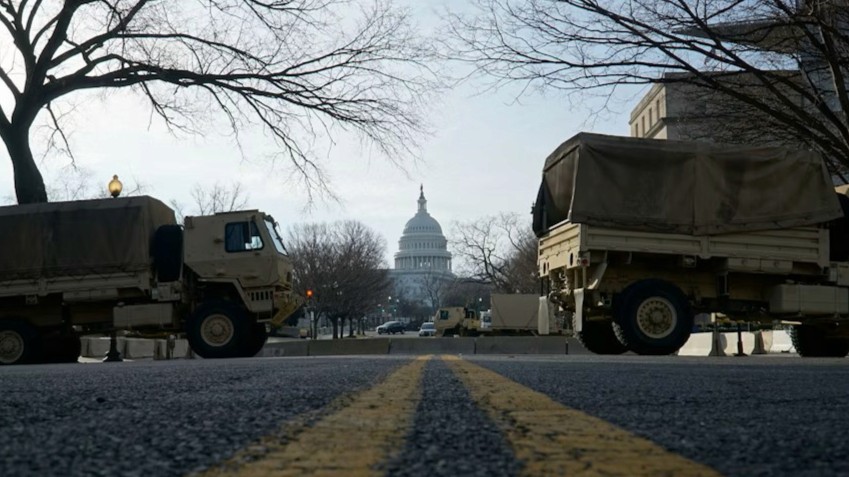
Militarization takes several forms. The current administration has ordered military deployments to major cities to assist in its sweeping anti-immigration agenda and to respond to emergencies declared by the President. It is now working to extend those deployments, and legal challenges are making their way through the courts.
The administration has also accelerated social militarization—i.e., military aesthetics and symbolism—including within the armed forces themselves. It has renamed the Department of Defense the Department of War, conducted a military parade in Washington, leaders denounce the “woke” military, and are attempting to exclude “non-manly” service members like trans people and women. The President has also used martial terms to describe domestic affairs and has increasingly used soldiers as a backdrop and audience for political speeches. While not without precedent, it is now done with a regularity never before seen in the U.S.
Further elevating the military and changing its relations to other branches, during the government shutdown the President sought to fund the military and other militarized agencies using private donations and budgets appropriated to other aims, all while other government workers went without pay. Throughout this, the administration has pushed out military leaders who did not align with its vision of what the military should look like or who it feared would stand in its way.
The two largest concerns raised by these actions are that they will result in massive and excessive violence or prepare the ground for direct military interference in elections, but these are relatively unlikely outcomes when it comes to the U.S. military.
The more immediate concern should be the consolidation and personalization of executive power exemplified by the overreliance on military and militarized power. The military is the most directly controlled physical force at the disposal of the executive, which is precisely why the Founders feared it so much, and legislators sought to restrict the ways in which it can be wielded domestically.
President Trump’s assertion of authority to use militarized power within the state is the epitome of the view that, as President, he is allowed to govern unimpeded by other branches. As such, it is of a piece with other actions by this administration to consolidate presidential power. At the same time, the militarization of the treatment of immigrants, political rivals, and even criminals, marks them as enemies. The temptation to treat the Other as an enemy is something that liberal democracies, committed as they are to pluralism and the rule of law, ought to resist.
And while military forces have been restricted in the actions they may take, many of the same restrictions don’t apply to militarized forces under the Department of Homeland Security. Not only legal constraints: Ethos, history, and personnel quality all serve as a check on some military excesses. Organizations like ICE and CBP have raided cities nationwide, are directing operations at citizens and non-citizens alike while using military-style gear and methods, using significant violence, and expanding under congressional approval.
What should be done? Apart from taking the military more seriously as a political issue than Americans have for a long time, the militarization of the domestic space calls for several responses. First and most obviously, a reassertion by Congress and the courts of the authority to limit executive uses of military power. Second, regarding DHS forces, it would be wise to adopt the moral and legal expectation that the more militarized a force becomes, the more it should be restrained domestically in ways that track the restrictions placed on the military. Third is the role society has in reestablishing civilianizing, rather than militarizing, norms. Officers are attentive to public discourse, and therefore it is important for civilians to have a robust discussion on the democratic duties of the military. Such a discussion should not begin with the assumption the military is a problem. At the same time, and to prevent the transformation of the military into a politically homogenous militia, there should be a concerted effort to draw citizens of all views, but particularly liberals, into its ranks.
One of the distinctive features of the second Trump administration has been its drastically increased domestic use of military and militarized force. In his previous term, President Trump pushed for a harsh military response to the George Floyd protests and weighed using the military to overturn the 2020 election, but was mostly held back by military leaders and advisers. A year into this administration, militarization is evident across a variety of domains. And while militarization can lead to extreme anti-democratic results, even short of that, it raises major concerns that should be addressed.
Militarization takes several forms. The current administration has ordered military deployments to major cities to assist in its sweeping anti-immigration agenda and to respond to emergencies declared by the President. It is now working to extend those deployments, and legal challenges are making their way through the courts.
The administration has also accelerated social militarization—i.e., military aesthetics and symbolism—including within the armed forces themselves. It has renamed the Department of Defense the Department of War, conducted a military parade in Washington, leaders denounce the “woke” military, and are attempting to exclude “non-manly” service members like trans people and women. The President has also used martial terms to describe domestic affairs and has increasingly used soldiers as a backdrop and audience for political speeches. While not without precedent, it is now done with a regularity never before seen in the U.S.
Further elevating the military and changing its relations to other branches, during the government shutdown the President sought to fund the military and other militarized agencies using private donations and budgets appropriated to other aims, all while other government workers went without pay. Throughout this, the administration has pushed out military leaders who did not align with its vision of what the military should look like or who it feared would stand in its way.
The two largest concerns raised by these actions are that they will result in massive and excessive violence or prepare the ground for direct military interference in elections, but these are relatively unlikely outcomes when it comes to the U.S. military.
The more immediate concern should be the consolidation and personalization of executive power exemplified by the overreliance on military and militarized power. The military is the most directly controlled physical force at the disposal of the executive, which is precisely why the Founders feared it so much, and legislators sought to restrict the ways in which it can be wielded domestically.
President Trump’s assertion of authority to use militarized power within the state is the epitome of the view that, as President, he is allowed to govern unimpeded by other branches. As such, it is of a piece with other actions by this administration to consolidate presidential power. At the same time, the militarization of the treatment of immigrants, political rivals, and even criminals, marks them as enemies. The temptation to treat the Other as an enemy is something that liberal democracies, committed as they are to pluralism and the rule of law, ought to resist.
And while military forces have been restricted in the actions they may take, many of the same restrictions don’t apply to militarized forces under the Department of Homeland Security. Not only legal constraints: Ethos, history, and personnel quality all serve as a check on some military excesses. Organizations like ICE and CBP have raided cities nationwide, are directing operations at citizens and non-citizens alike while using military-style gear and methods, using significant violence, and expanding under congressional approval.
What should be done? Apart from taking the military more seriously as a political issue than Americans have for a long time, the militarization of the domestic space calls for several responses. First and most obviously, a reassertion by Congress and the courts of the authority to limit executive uses of military power. Second, regarding DHS forces, it would be wise to adopt the moral and legal expectation that the more militarized a force becomes, the more it should be restrained domestically in ways that track the restrictions placed on the military. Third is the role society has in reestablishing civilianizing, rather than militarizing, norms. Officers are attentive to public discourse, and therefore it is important for civilians to have a robust discussion on the democratic duties of the military. Such a discussion should not begin with the assumption the military is a problem. At the same time, and to prevent the transformation of the military into a politically homogenous militia, there should be a concerted effort to draw citizens of all views, but particularly liberals, into its ranks.
One of the distinctive features of the second Trump administration has been its drastically increased domestic use of military and militarized force. In his previous term, President Trump pushed for a harsh military response to the George Floyd protests and weighed using the military to overturn the 2020 election, but was mostly held back by military leaders and advisers. A year into this administration, militarization is evident across a variety of domains. And while militarization can lead to extreme anti-democratic results, even short of that, it raises major concerns that should be addressed.
Militarization takes several forms. The current administration has ordered military deployments to major cities to assist in its sweeping anti-immigration agenda and to respond to emergencies declared by the President. It is now working to extend those deployments, and legal challenges are making their way through the courts.
The administration has also accelerated social militarization—i.e., military aesthetics and symbolism—including within the armed forces themselves. It has renamed the Department of Defense the Department of War, conducted a military parade in Washington, leaders denounce the “woke” military, and are attempting to exclude “non-manly” service members like trans people and women. The President has also used martial terms to describe domestic affairs and has increasingly used soldiers as a backdrop and audience for political speeches. While not without precedent, it is now done with a regularity never before seen in the U.S.
Further elevating the military and changing its relations to other branches, during the government shutdown the President sought to fund the military and other militarized agencies using private donations and budgets appropriated to other aims, all while other government workers went without pay. Throughout this, the administration has pushed out military leaders who did not align with its vision of what the military should look like or who it feared would stand in its way.
The two largest concerns raised by these actions are that they will result in massive and excessive violence or prepare the ground for direct military interference in elections, but these are relatively unlikely outcomes when it comes to the U.S. military.
The more immediate concern should be the consolidation and personalization of executive power exemplified by the overreliance on military and militarized power. The military is the most directly controlled physical force at the disposal of the executive, which is precisely why the Founders feared it so much, and legislators sought to restrict the ways in which it can be wielded domestically.
President Trump’s assertion of authority to use militarized power within the state is the epitome of the view that, as President, he is allowed to govern unimpeded by other branches. As such, it is of a piece with other actions by this administration to consolidate presidential power. At the same time, the militarization of the treatment of immigrants, political rivals, and even criminals, marks them as enemies. The temptation to treat the Other as an enemy is something that liberal democracies, committed as they are to pluralism and the rule of law, ought to resist.
And while military forces have been restricted in the actions they may take, many of the same restrictions don’t apply to militarized forces under the Department of Homeland Security. Not only legal constraints: Ethos, history, and personnel quality all serve as a check on some military excesses. Organizations like ICE and CBP have raided cities nationwide, are directing operations at citizens and non-citizens alike while using military-style gear and methods, using significant violence, and expanding under congressional approval.
What should be done? Apart from taking the military more seriously as a political issue than Americans have for a long time, the militarization of the domestic space calls for several responses. First and most obviously, a reassertion by Congress and the courts of the authority to limit executive uses of military power. Second, regarding DHS forces, it would be wise to adopt the moral and legal expectation that the more militarized a force becomes, the more it should be restrained domestically in ways that track the restrictions placed on the military. Third is the role society has in reestablishing civilianizing, rather than militarizing, norms. Officers are attentive to public discourse, and therefore it is important for civilians to have a robust discussion on the democratic duties of the military. Such a discussion should not begin with the assumption the military is a problem. At the same time, and to prevent the transformation of the military into a politically homogenous militia, there should be a concerted effort to draw citizens of all views, but particularly liberals, into its ranks.
One of the distinctive features of the second Trump administration has been its drastically increased domestic use of military and militarized force. In his previous term, President Trump pushed for a harsh military response to the George Floyd protests and weighed using the military to overturn the 2020 election, but was mostly held back by military leaders and advisers. A year into this administration, militarization is evident across a variety of domains. And while militarization can lead to extreme anti-democratic results, even short of that, it raises major concerns that should be addressed.
Militarization takes several forms. The current administration has ordered military deployments to major cities to assist in its sweeping anti-immigration agenda and to respond to emergencies declared by the President. It is now working to extend those deployments, and legal challenges are making their way through the courts.
The administration has also accelerated social militarization—i.e., military aesthetics and symbolism—including within the armed forces themselves. It has renamed the Department of Defense the Department of War, conducted a military parade in Washington, leaders denounce the “woke” military, and are attempting to exclude “non-manly” service members like trans people and women. The President has also used martial terms to describe domestic affairs and has increasingly used soldiers as a backdrop and audience for political speeches. While not without precedent, it is now done with a regularity never before seen in the U.S.
Further elevating the military and changing its relations to other branches, during the government shutdown the President sought to fund the military and other militarized agencies using private donations and budgets appropriated to other aims, all while other government workers went without pay. Throughout this, the administration has pushed out military leaders who did not align with its vision of what the military should look like or who it feared would stand in its way.
The two largest concerns raised by these actions are that they will result in massive and excessive violence or prepare the ground for direct military interference in elections, but these are relatively unlikely outcomes when it comes to the U.S. military.
The more immediate concern should be the consolidation and personalization of executive power exemplified by the overreliance on military and militarized power. The military is the most directly controlled physical force at the disposal of the executive, which is precisely why the Founders feared it so much, and legislators sought to restrict the ways in which it can be wielded domestically.
President Trump’s assertion of authority to use militarized power within the state is the epitome of the view that, as President, he is allowed to govern unimpeded by other branches. As such, it is of a piece with other actions by this administration to consolidate presidential power. At the same time, the militarization of the treatment of immigrants, political rivals, and even criminals, marks them as enemies. The temptation to treat the Other as an enemy is something that liberal democracies, committed as they are to pluralism and the rule of law, ought to resist.
And while military forces have been restricted in the actions they may take, many of the same restrictions don’t apply to militarized forces under the Department of Homeland Security. Not only legal constraints: Ethos, history, and personnel quality all serve as a check on some military excesses. Organizations like ICE and CBP have raided cities nationwide, are directing operations at citizens and non-citizens alike while using military-style gear and methods, using significant violence, and expanding under congressional approval.
What should be done? Apart from taking the military more seriously as a political issue than Americans have for a long time, the militarization of the domestic space calls for several responses. First and most obviously, a reassertion by Congress and the courts of the authority to limit executive uses of military power. Second, regarding DHS forces, it would be wise to adopt the moral and legal expectation that the more militarized a force becomes, the more it should be restrained domestically in ways that track the restrictions placed on the military. Third is the role society has in reestablishing civilianizing, rather than militarizing, norms. Officers are attentive to public discourse, and therefore it is important for civilians to have a robust discussion on the democratic duties of the military. Such a discussion should not begin with the assumption the military is a problem. At the same time, and to prevent the transformation of the military into a politically homogenous militia, there should be a concerted effort to draw citizens of all views, but particularly liberals, into its ranks.
One of the distinctive features of the second Trump administration has been its drastically increased domestic use of military and militarized force. In his previous term, President Trump pushed for a harsh military response to the George Floyd protests and weighed using the military to overturn the 2020 election, but was mostly held back by military leaders and advisers. A year into this administration, militarization is evident across a variety of domains. And while militarization can lead to extreme anti-democratic results, even short of that, it raises major concerns that should be addressed.
Militarization takes several forms. The current administration has ordered military deployments to major cities to assist in its sweeping anti-immigration agenda and to respond to emergencies declared by the President. It is now working to extend those deployments, and legal challenges are making their way through the courts.
The administration has also accelerated social militarization—i.e., military aesthetics and symbolism—including within the armed forces themselves. It has renamed the Department of Defense the Department of War, conducted a military parade in Washington, leaders denounce the “woke” military, and are attempting to exclude “non-manly” service members like trans people and women. The President has also used martial terms to describe domestic affairs and has increasingly used soldiers as a backdrop and audience for political speeches. While not without precedent, it is now done with a regularity never before seen in the U.S.
Further elevating the military and changing its relations to other branches, during the government shutdown the President sought to fund the military and other militarized agencies using private donations and budgets appropriated to other aims, all while other government workers went without pay. Throughout this, the administration has pushed out military leaders who did not align with its vision of what the military should look like or who it feared would stand in its way.
The two largest concerns raised by these actions are that they will result in massive and excessive violence or prepare the ground for direct military interference in elections, but these are relatively unlikely outcomes when it comes to the U.S. military.
The more immediate concern should be the consolidation and personalization of executive power exemplified by the overreliance on military and militarized power. The military is the most directly controlled physical force at the disposal of the executive, which is precisely why the Founders feared it so much, and legislators sought to restrict the ways in which it can be wielded domestically.
President Trump’s assertion of authority to use militarized power within the state is the epitome of the view that, as President, he is allowed to govern unimpeded by other branches. As such, it is of a piece with other actions by this administration to consolidate presidential power. At the same time, the militarization of the treatment of immigrants, political rivals, and even criminals, marks them as enemies. The temptation to treat the Other as an enemy is something that liberal democracies, committed as they are to pluralism and the rule of law, ought to resist.
And while military forces have been restricted in the actions they may take, many of the same restrictions don’t apply to militarized forces under the Department of Homeland Security. Not only legal constraints: Ethos, history, and personnel quality all serve as a check on some military excesses. Organizations like ICE and CBP have raided cities nationwide, are directing operations at citizens and non-citizens alike while using military-style gear and methods, using significant violence, and expanding under congressional approval.
What should be done? Apart from taking the military more seriously as a political issue than Americans have for a long time, the militarization of the domestic space calls for several responses. First and most obviously, a reassertion by Congress and the courts of the authority to limit executive uses of military power. Second, regarding DHS forces, it would be wise to adopt the moral and legal expectation that the more militarized a force becomes, the more it should be restrained domestically in ways that track the restrictions placed on the military. Third is the role society has in reestablishing civilianizing, rather than militarizing, norms. Officers are attentive to public discourse, and therefore it is important for civilians to have a robust discussion on the democratic duties of the military. Such a discussion should not begin with the assumption the military is a problem. At the same time, and to prevent the transformation of the military into a politically homogenous militia, there should be a concerted effort to draw citizens of all views, but particularly liberals, into its ranks.
One of the distinctive features of the second Trump administration has been its drastically increased domestic use of military and militarized force. In his previous term, President Trump pushed for a harsh military response to the George Floyd protests and weighed using the military to overturn the 2020 election, but was mostly held back by military leaders and advisers. A year into this administration, militarization is evident across a variety of domains. And while militarization can lead to extreme anti-democratic results, even short of that, it raises major concerns that should be addressed.
Militarization takes several forms. The current administration has ordered military deployments to major cities to assist in its sweeping anti-immigration agenda and to respond to emergencies declared by the President. It is now working to extend those deployments, and legal challenges are making their way through the courts.
The administration has also accelerated social militarization—i.e., military aesthetics and symbolism—including within the armed forces themselves. It has renamed the Department of Defense the Department of War, conducted a military parade in Washington, leaders denounce the “woke” military, and are attempting to exclude “non-manly” service members like trans people and women. The President has also used martial terms to describe domestic affairs and has increasingly used soldiers as a backdrop and audience for political speeches. While not without precedent, it is now done with a regularity never before seen in the U.S.
Further elevating the military and changing its relations to other branches, during the government shutdown the President sought to fund the military and other militarized agencies using private donations and budgets appropriated to other aims, all while other government workers went without pay. Throughout this, the administration has pushed out military leaders who did not align with its vision of what the military should look like or who it feared would stand in its way.
The two largest concerns raised by these actions are that they will result in massive and excessive violence or prepare the ground for direct military interference in elections, but these are relatively unlikely outcomes when it comes to the U.S. military.
The more immediate concern should be the consolidation and personalization of executive power exemplified by the overreliance on military and militarized power. The military is the most directly controlled physical force at the disposal of the executive, which is precisely why the Founders feared it so much, and legislators sought to restrict the ways in which it can be wielded domestically.
President Trump’s assertion of authority to use militarized power within the state is the epitome of the view that, as President, he is allowed to govern unimpeded by other branches. As such, it is of a piece with other actions by this administration to consolidate presidential power. At the same time, the militarization of the treatment of immigrants, political rivals, and even criminals, marks them as enemies. The temptation to treat the Other as an enemy is something that liberal democracies, committed as they are to pluralism and the rule of law, ought to resist.
And while military forces have been restricted in the actions they may take, many of the same restrictions don’t apply to militarized forces under the Department of Homeland Security. Not only legal constraints: Ethos, history, and personnel quality all serve as a check on some military excesses. Organizations like ICE and CBP have raided cities nationwide, are directing operations at citizens and non-citizens alike while using military-style gear and methods, using significant violence, and expanding under congressional approval.
What should be done? Apart from taking the military more seriously as a political issue than Americans have for a long time, the militarization of the domestic space calls for several responses. First and most obviously, a reassertion by Congress and the courts of the authority to limit executive uses of military power. Second, regarding DHS forces, it would be wise to adopt the moral and legal expectation that the more militarized a force becomes, the more it should be restrained domestically in ways that track the restrictions placed on the military. Third is the role society has in reestablishing civilianizing, rather than militarizing, norms. Officers are attentive to public discourse, and therefore it is important for civilians to have a robust discussion on the democratic duties of the military. Such a discussion should not begin with the assumption the military is a problem. At the same time, and to prevent the transformation of the military into a politically homogenous militia, there should be a concerted effort to draw citizens of all views, but particularly liberals, into its ranks.
About the Author
Avishay Ben-Sasson-Gordis
Avishay Ben-Sasson-Gordis is a Liberalism Rekindled postdoctoral fellow at the Hebrew University of Jerusalem and Ruderman Family Foundation Scholar in Residence and Senior Researcher at the Institute for National Security Studies (INSS) at Tel Aviv University. He studies international relations and political theory with a focus on the normative theory of civil-military relations.
About the Author
Avishay Ben-Sasson-Gordis
Avishay Ben-Sasson-Gordis is a Liberalism Rekindled postdoctoral fellow at the Hebrew University of Jerusalem and Ruderman Family Foundation Scholar in Residence and Senior Researcher at the Institute for National Security Studies (INSS) at Tel Aviv University. He studies international relations and political theory with a focus on the normative theory of civil-military relations.
About the Author
Avishay Ben-Sasson-Gordis
Avishay Ben-Sasson-Gordis is a Liberalism Rekindled postdoctoral fellow at the Hebrew University of Jerusalem and Ruderman Family Foundation Scholar in Residence and Senior Researcher at the Institute for National Security Studies (INSS) at Tel Aviv University. He studies international relations and political theory with a focus on the normative theory of civil-military relations.
More viewpoints in
Congress, The President & The Courts

Oct 5, 2026
Special Feature: Magyar’s Constitutional Moment
Wojciech Sadurski
Congress, The President & The Courts
Oct 5, 2026
Special Feature: Magyar’s Constitutional Moment
Wojciech Sadurski
Congress, The President & The Courts
Oct 5, 2026
Special Feature: Magyar’s Constitutional Moment
Wojciech Sadurski
Congress, The President & The Courts

Sep 3, 2026
The Case for Factions
James Wallner
,
Soren Dayton
Congress, The President & The Courts
Sep 3, 2026
The Case for Factions
James Wallner
,
Soren Dayton
Congress, The President & The Courts
Sep 3, 2026
The Case for Factions
James Wallner
,
Soren Dayton
Congress, The President & The Courts

Sep 1, 2026
How to Get Justice, and Judges, Closer to the People
Julio Ríos-Figueroa
Congress, The President & The Courts
Sep 1, 2026
How to Get Justice, and Judges, Closer to the People
Julio Ríos-Figueroa
Congress, The President & The Courts
Sep 1, 2026
How to Get Justice, and Judges, Closer to the People
Julio Ríos-Figueroa
Congress, The President & The Courts
More viewpoints in
Congress, The President & The Courts
Oct 5, 2026
Special Feature: Magyar’s Constitutional Moment
Wojciech Sadurski
Congress, The President & The Courts
Sep 3, 2026
The Case for Factions
James Wallner
,
Soren Dayton
Congress, The President & The Courts
Sep 1, 2026
How to Get Justice, and Judges, Closer to the People
Julio Ríos-Figueroa
Congress, The President & The Courts
More viewpoints in
Congress, The President & The Courts
Oct 5, 2026
Special Feature: Magyar’s Constitutional Moment
Wojciech Sadurski
Congress, The President & The Courts
Sep 3, 2026
The Case for Factions
James Wallner
,
Soren Dayton
Congress, The President & The Courts
Sep 1, 2026
How to Get Justice, and Judges, Closer to the People
Julio Ríos-Figueroa
Congress, The President & The Courts
More viewpoints in
Congress, The President & The Courts
Oct 5, 2026
Special Feature: Magyar’s Constitutional Moment
Wojciech Sadurski
Congress, The President & The Courts
Sep 3, 2026
The Case for Factions
James Wallner
,
Soren Dayton
Congress, The President & The Courts
Sep 1, 2026
How to Get Justice, and Judges, Closer to the People
Julio Ríos-Figueroa
Congress, The President & The Courts