May 1, 2026
Supreme Court’s Gutting of Voting Provision Was Long Time Coming
Richard Pildes
May 1, 2026
Supreme Court’s Gutting of Voting Provision Was Long Time Coming
Richard Pildes
May 1, 2026
Supreme Court’s Gutting of Voting Provision Was Long Time Coming
Richard Pildes
May 1, 2026
Supreme Court’s Gutting of Voting Provision Was Long Time Coming
Richard Pildes
May 1, 2026
Supreme Court’s Gutting of Voting Provision Was Long Time Coming
Richard Pildes
May 1, 2026
Supreme Court’s Gutting of Voting Provision Was Long Time Coming
Richard Pildes
Editor's Note: This is a slightly modified version of an essay that originally appeared at Bloomberg Law.
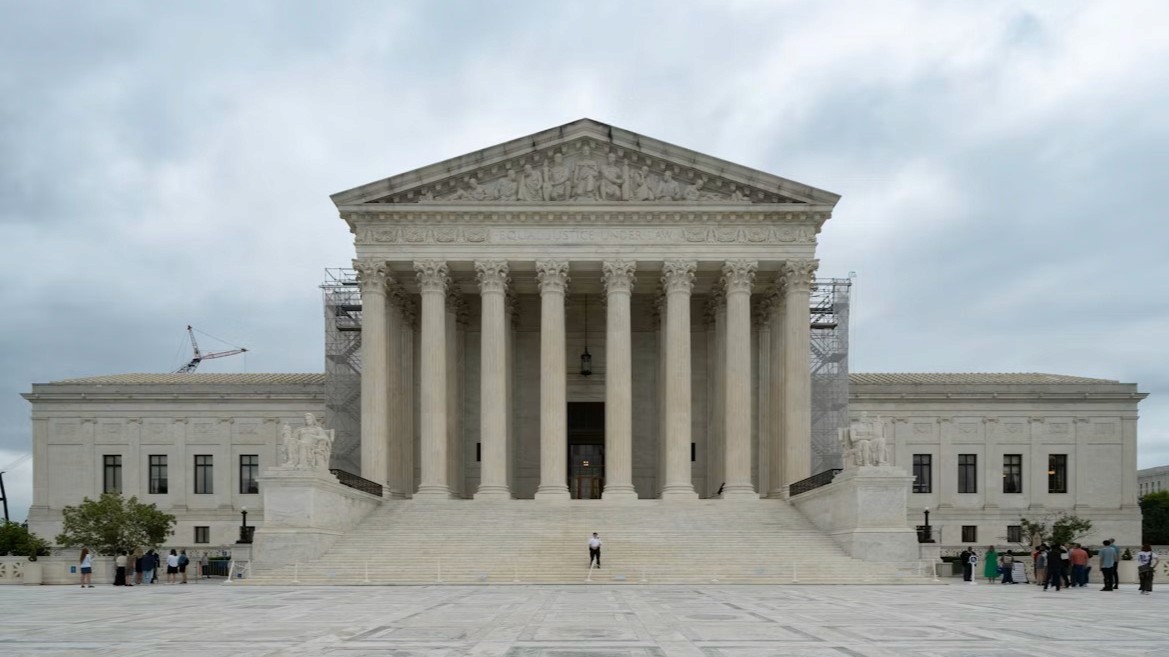
The Supreme Court blockbuster Voting Rights Act (VRA) decision, Louisiana v. Callais, in effect brings to an end a legal regime concerning racial representation that traces back to a 1986 Court decision, Thornburg v. Gingles. That 5-4 decision, which construed Congress’s 1982 amendments to the VRA, compelled the creation throughout the South of new districts in the 1990 round of redistricting. Those districts elected the first black representatives to Congress from the South for the first time in most of these states since Reconstruction.
Yet for many voting-rights scholars, a surprising aspect of the Court’s decision is that Gingles actually survived as long as it did. Back in 2007 I published a law review article entitled The Decline of Legally Mandated Minority Representation. As long as 19 years ago, it was clear that’s where the doctrine was heading.
After quoting some of what I wrote in 2007, I’ll explain why the moment of Gingles’s internment didn’t arrive until 19 years later:
As a matter of Supreme Court doctrine, Gingles now looks more like the last gasp of an older, dying era than the framework for a new one. The Court briefly gave birth to an aggressive requirement of safe minority districting in the mid-1980s, toward the end of the era when Justices Brennan and Marshall still sat on the Court. Gingles itself was a 5-4 decision.… And ever since the creation of Gingles, the Court has been seeking ways to cabin its offspring. The Court has never extended Gingles or expanded on it. Instead, it has cut back on the implications of Gingles at every opportunity. In retrospect, it now seems clear that the half-life of majority support within the Court for Gingles was extremely brief....
Through various doctrines, the Court is groping for what seems to be a way to confine the concept of minority vote dilution to cases the Court views as ones of truly intentional state discrimination [which is essentially what yesterday’s decision does].
In the years since Gingles, most lower courts continued to apply Gingles on its own terms, limiting Gingles only in those specific areas where the Court expressly had done so. Though strong support for Gingles in the Court itself appears, in hindsight, to have lasted only for a brief moment, litigants did not test the various premises of Gingles, and the Court was not pressed to revisit any of these premises. Legally, the system ran on a form of automatic pilot, in which Gingles continued to control the basic instrumentation.
All of this was written, of course, long before Justices Gorsuch, Kavanaugh, or Barrett joined the Court.
Many people don’t realize how episodic Supreme Court entry into various bodies of law can be, which is part of why that resistance to Gingles remained in suspended animation before yesterday. The only time the Court directly affirmed the Gingles framework since I wrote that 2007 article was three years ago, in a case from Alabama, Allen v. Milligan.
Many voting-rights scholars thought the Court would re-write Gingles then. The reason it did not, in my view, is that Alabama had briefed and argued the case in such a confusing fashion that it gave the Court — likely to be sympathetic to Alabama — no help. This leads to another underlying dimension to yesterday’s Callais decision that’s easy to miss: the 2025 change in administration following the 2024 election played a central role in yesterday’s decision. Unlike in Allen, the Solicitor General gave the Court a roadmap for how to effectively end Gingles and the Court's opinion followed that map closely.
There's also an underlying litigation and political dynamic that explains why the Court finally returned to engaging directly with Gingles and the VRA after the 2020 round of redistricting. The Republican Party was in control of redistricting in Southern states in 2010 for the first time since Reconstruction; and in 2020, it remained in control. Yet in both rounds, the Republican Party was willing to live with the VRA status quo. It did not challenge VRA districts that had been drawn in the South, most of which traced back to that 1990s round of redistricting. The Republicans grumbled about the “partisan unfairness” of being required to draw districts that would inevitably elect Democrats. But in most places, including Alabama and Louisiana, the Republicans left those VRA districts intact and gerrymandered around them.
The trigger for the Court's re-entry into VRA issues after the 2020 redistricting was, ironically, the success of voting-rights advocates in the lower courts. Armed with first-rate social scientists and powerful new technology that enabled the drawing of hundreds of thousands of potential maps, plaintiffs were able to ferret out new 50%+1 VRA districts. When the lower courts ordered these additional VRA districts to be created, the states – now in the posture of defending their 2020 maps – then directly pressed the Court to revisit the core of Gingles for the first time in many decades.
If the success of VRA advocates in the lower courts was a Pyrrhic victory, the Supreme Court’s decision might also turn out to be a Pyrrhic victory for the Court. If Democrats capture full control of government after 2028, a push on voting rights is likely. And as part of that push, many Democrats will undoubtedly also demand major changes to the Court, as is already evident in some reactions to the Court’s decision, including from House Minority Leader Hakeem Jeffries.
There’s little question the Supreme Court’s decision will lead to the elimination of a number of Democratic districts in the South that currently elect black members to Congress – if not by 2026, then by 2028.
But the full range of partisan consequences for future elections or after the 2030 round of redistricting is not as easy to predict as most initial commentary suggests. Outside the South where Democrats control states, they might offset some of these losses by spreading black voters out across districts to maximize Democratic prospects. Republican redistricting to eliminate VRA districts in the South will also push black and Democratic voters into surrounding districts; in a wave election for Democrats, some of those shifts could turn red districts into blue ones.
When Congress last amended the VRA in 2006, I also argued that the future of voting rights policy should shift from the older anti-race discrimination model of the civil rights era to robust laws with universal protections for the right to vote. The race-discrimination model failed even then to capture the full range of threats to voting rights and was increasingly vulnerable to the Court’s move toward a color-blind Constitution.
If true then, that is even more true now. When Congress returns to this arena, the model of strong universal protection for the voting rights of all citizens will provide the broadest protection and be the most durable.
Editor's Note: This is a slightly modified version of an essay that originally appeared at Bloomberg Law.
The Supreme Court blockbuster Voting Rights Act (VRA) decision, Louisiana v. Callais, in effect brings to an end a legal regime concerning racial representation that traces back to a 1986 Court decision, Thornburg v. Gingles. That 5-4 decision, which construed Congress’s 1982 amendments to the VRA, compelled the creation throughout the South of new districts in the 1990 round of redistricting. Those districts elected the first black representatives to Congress from the South for the first time in most of these states since Reconstruction.
Yet for many voting-rights scholars, a surprising aspect of the Court’s decision is that Gingles actually survived as long as it did. Back in 2007 I published a law review article entitled The Decline of Legally Mandated Minority Representation. As long as 19 years ago, it was clear that’s where the doctrine was heading.
After quoting some of what I wrote in 2007, I’ll explain why the moment of Gingles’s internment didn’t arrive until 19 years later:
As a matter of Supreme Court doctrine, Gingles now looks more like the last gasp of an older, dying era than the framework for a new one. The Court briefly gave birth to an aggressive requirement of safe minority districting in the mid-1980s, toward the end of the era when Justices Brennan and Marshall still sat on the Court. Gingles itself was a 5-4 decision.… And ever since the creation of Gingles, the Court has been seeking ways to cabin its offspring. The Court has never extended Gingles or expanded on it. Instead, it has cut back on the implications of Gingles at every opportunity. In retrospect, it now seems clear that the half-life of majority support within the Court for Gingles was extremely brief....
Through various doctrines, the Court is groping for what seems to be a way to confine the concept of minority vote dilution to cases the Court views as ones of truly intentional state discrimination [which is essentially what yesterday’s decision does].
In the years since Gingles, most lower courts continued to apply Gingles on its own terms, limiting Gingles only in those specific areas where the Court expressly had done so. Though strong support for Gingles in the Court itself appears, in hindsight, to have lasted only for a brief moment, litigants did not test the various premises of Gingles, and the Court was not pressed to revisit any of these premises. Legally, the system ran on a form of automatic pilot, in which Gingles continued to control the basic instrumentation.
All of this was written, of course, long before Justices Gorsuch, Kavanaugh, or Barrett joined the Court.
Many people don’t realize how episodic Supreme Court entry into various bodies of law can be, which is part of why that resistance to Gingles remained in suspended animation before yesterday. The only time the Court directly affirmed the Gingles framework since I wrote that 2007 article was three years ago, in a case from Alabama, Allen v. Milligan.
Many voting-rights scholars thought the Court would re-write Gingles then. The reason it did not, in my view, is that Alabama had briefed and argued the case in such a confusing fashion that it gave the Court — likely to be sympathetic to Alabama — no help. This leads to another underlying dimension to yesterday’s Callais decision that’s easy to miss: the 2025 change in administration following the 2024 election played a central role in yesterday’s decision. Unlike in Allen, the Solicitor General gave the Court a roadmap for how to effectively end Gingles and the Court's opinion followed that map closely.
There's also an underlying litigation and political dynamic that explains why the Court finally returned to engaging directly with Gingles and the VRA after the 2020 round of redistricting. The Republican Party was in control of redistricting in Southern states in 2010 for the first time since Reconstruction; and in 2020, it remained in control. Yet in both rounds, the Republican Party was willing to live with the VRA status quo. It did not challenge VRA districts that had been drawn in the South, most of which traced back to that 1990s round of redistricting. The Republicans grumbled about the “partisan unfairness” of being required to draw districts that would inevitably elect Democrats. But in most places, including Alabama and Louisiana, the Republicans left those VRA districts intact and gerrymandered around them.
The trigger for the Court's re-entry into VRA issues after the 2020 redistricting was, ironically, the success of voting-rights advocates in the lower courts. Armed with first-rate social scientists and powerful new technology that enabled the drawing of hundreds of thousands of potential maps, plaintiffs were able to ferret out new 50%+1 VRA districts. When the lower courts ordered these additional VRA districts to be created, the states – now in the posture of defending their 2020 maps – then directly pressed the Court to revisit the core of Gingles for the first time in many decades.
If the success of VRA advocates in the lower courts was a Pyrrhic victory, the Supreme Court’s decision might also turn out to be a Pyrrhic victory for the Court. If Democrats capture full control of government after 2028, a push on voting rights is likely. And as part of that push, many Democrats will undoubtedly also demand major changes to the Court, as is already evident in some reactions to the Court’s decision, including from House Minority Leader Hakeem Jeffries.
There’s little question the Supreme Court’s decision will lead to the elimination of a number of Democratic districts in the South that currently elect black members to Congress – if not by 2026, then by 2028.
But the full range of partisan consequences for future elections or after the 2030 round of redistricting is not as easy to predict as most initial commentary suggests. Outside the South where Democrats control states, they might offset some of these losses by spreading black voters out across districts to maximize Democratic prospects. Republican redistricting to eliminate VRA districts in the South will also push black and Democratic voters into surrounding districts; in a wave election for Democrats, some of those shifts could turn red districts into blue ones.
When Congress last amended the VRA in 2006, I also argued that the future of voting rights policy should shift from the older anti-race discrimination model of the civil rights era to robust laws with universal protections for the right to vote. The race-discrimination model failed even then to capture the full range of threats to voting rights and was increasingly vulnerable to the Court’s move toward a color-blind Constitution.
If true then, that is even more true now. When Congress returns to this arena, the model of strong universal protection for the voting rights of all citizens will provide the broadest protection and be the most durable.
Editor's Note: This is a slightly modified version of an essay that originally appeared at Bloomberg Law.
The Supreme Court blockbuster Voting Rights Act (VRA) decision, Louisiana v. Callais, in effect brings to an end a legal regime concerning racial representation that traces back to a 1986 Court decision, Thornburg v. Gingles. That 5-4 decision, which construed Congress’s 1982 amendments to the VRA, compelled the creation throughout the South of new districts in the 1990 round of redistricting. Those districts elected the first black representatives to Congress from the South for the first time in most of these states since Reconstruction.
Yet for many voting-rights scholars, a surprising aspect of the Court’s decision is that Gingles actually survived as long as it did. Back in 2007 I published a law review article entitled The Decline of Legally Mandated Minority Representation. As long as 19 years ago, it was clear that’s where the doctrine was heading.
After quoting some of what I wrote in 2007, I’ll explain why the moment of Gingles’s internment didn’t arrive until 19 years later:
As a matter of Supreme Court doctrine, Gingles now looks more like the last gasp of an older, dying era than the framework for a new one. The Court briefly gave birth to an aggressive requirement of safe minority districting in the mid-1980s, toward the end of the era when Justices Brennan and Marshall still sat on the Court. Gingles itself was a 5-4 decision.… And ever since the creation of Gingles, the Court has been seeking ways to cabin its offspring. The Court has never extended Gingles or expanded on it. Instead, it has cut back on the implications of Gingles at every opportunity. In retrospect, it now seems clear that the half-life of majority support within the Court for Gingles was extremely brief....
Through various doctrines, the Court is groping for what seems to be a way to confine the concept of minority vote dilution to cases the Court views as ones of truly intentional state discrimination [which is essentially what yesterday’s decision does].
In the years since Gingles, most lower courts continued to apply Gingles on its own terms, limiting Gingles only in those specific areas where the Court expressly had done so. Though strong support for Gingles in the Court itself appears, in hindsight, to have lasted only for a brief moment, litigants did not test the various premises of Gingles, and the Court was not pressed to revisit any of these premises. Legally, the system ran on a form of automatic pilot, in which Gingles continued to control the basic instrumentation.
All of this was written, of course, long before Justices Gorsuch, Kavanaugh, or Barrett joined the Court.
Many people don’t realize how episodic Supreme Court entry into various bodies of law can be, which is part of why that resistance to Gingles remained in suspended animation before yesterday. The only time the Court directly affirmed the Gingles framework since I wrote that 2007 article was three years ago, in a case from Alabama, Allen v. Milligan.
Many voting-rights scholars thought the Court would re-write Gingles then. The reason it did not, in my view, is that Alabama had briefed and argued the case in such a confusing fashion that it gave the Court — likely to be sympathetic to Alabama — no help. This leads to another underlying dimension to yesterday’s Callais decision that’s easy to miss: the 2025 change in administration following the 2024 election played a central role in yesterday’s decision. Unlike in Allen, the Solicitor General gave the Court a roadmap for how to effectively end Gingles and the Court's opinion followed that map closely.
There's also an underlying litigation and political dynamic that explains why the Court finally returned to engaging directly with Gingles and the VRA after the 2020 round of redistricting. The Republican Party was in control of redistricting in Southern states in 2010 for the first time since Reconstruction; and in 2020, it remained in control. Yet in both rounds, the Republican Party was willing to live with the VRA status quo. It did not challenge VRA districts that had been drawn in the South, most of which traced back to that 1990s round of redistricting. The Republicans grumbled about the “partisan unfairness” of being required to draw districts that would inevitably elect Democrats. But in most places, including Alabama and Louisiana, the Republicans left those VRA districts intact and gerrymandered around them.
The trigger for the Court's re-entry into VRA issues after the 2020 redistricting was, ironically, the success of voting-rights advocates in the lower courts. Armed with first-rate social scientists and powerful new technology that enabled the drawing of hundreds of thousands of potential maps, plaintiffs were able to ferret out new 50%+1 VRA districts. When the lower courts ordered these additional VRA districts to be created, the states – now in the posture of defending their 2020 maps – then directly pressed the Court to revisit the core of Gingles for the first time in many decades.
If the success of VRA advocates in the lower courts was a Pyrrhic victory, the Supreme Court’s decision might also turn out to be a Pyrrhic victory for the Court. If Democrats capture full control of government after 2028, a push on voting rights is likely. And as part of that push, many Democrats will undoubtedly also demand major changes to the Court, as is already evident in some reactions to the Court’s decision, including from House Minority Leader Hakeem Jeffries.
There’s little question the Supreme Court’s decision will lead to the elimination of a number of Democratic districts in the South that currently elect black members to Congress – if not by 2026, then by 2028.
But the full range of partisan consequences for future elections or after the 2030 round of redistricting is not as easy to predict as most initial commentary suggests. Outside the South where Democrats control states, they might offset some of these losses by spreading black voters out across districts to maximize Democratic prospects. Republican redistricting to eliminate VRA districts in the South will also push black and Democratic voters into surrounding districts; in a wave election for Democrats, some of those shifts could turn red districts into blue ones.
When Congress last amended the VRA in 2006, I also argued that the future of voting rights policy should shift from the older anti-race discrimination model of the civil rights era to robust laws with universal protections for the right to vote. The race-discrimination model failed even then to capture the full range of threats to voting rights and was increasingly vulnerable to the Court’s move toward a color-blind Constitution.
If true then, that is even more true now. When Congress returns to this arena, the model of strong universal protection for the voting rights of all citizens will provide the broadest protection and be the most durable.
Editor's Note: This is a slightly modified version of an essay that originally appeared at Bloomberg Law.
The Supreme Court blockbuster Voting Rights Act (VRA) decision, Louisiana v. Callais, in effect brings to an end a legal regime concerning racial representation that traces back to a 1986 Court decision, Thornburg v. Gingles. That 5-4 decision, which construed Congress’s 1982 amendments to the VRA, compelled the creation throughout the South of new districts in the 1990 round of redistricting. Those districts elected the first black representatives to Congress from the South for the first time in most of these states since Reconstruction.
Yet for many voting-rights scholars, a surprising aspect of the Court’s decision is that Gingles actually survived as long as it did. Back in 2007 I published a law review article entitled The Decline of Legally Mandated Minority Representation. As long as 19 years ago, it was clear that’s where the doctrine was heading.
After quoting some of what I wrote in 2007, I’ll explain why the moment of Gingles’s internment didn’t arrive until 19 years later:
As a matter of Supreme Court doctrine, Gingles now looks more like the last gasp of an older, dying era than the framework for a new one. The Court briefly gave birth to an aggressive requirement of safe minority districting in the mid-1980s, toward the end of the era when Justices Brennan and Marshall still sat on the Court. Gingles itself was a 5-4 decision.… And ever since the creation of Gingles, the Court has been seeking ways to cabin its offspring. The Court has never extended Gingles or expanded on it. Instead, it has cut back on the implications of Gingles at every opportunity. In retrospect, it now seems clear that the half-life of majority support within the Court for Gingles was extremely brief....
Through various doctrines, the Court is groping for what seems to be a way to confine the concept of minority vote dilution to cases the Court views as ones of truly intentional state discrimination [which is essentially what yesterday’s decision does].
In the years since Gingles, most lower courts continued to apply Gingles on its own terms, limiting Gingles only in those specific areas where the Court expressly had done so. Though strong support for Gingles in the Court itself appears, in hindsight, to have lasted only for a brief moment, litigants did not test the various premises of Gingles, and the Court was not pressed to revisit any of these premises. Legally, the system ran on a form of automatic pilot, in which Gingles continued to control the basic instrumentation.
All of this was written, of course, long before Justices Gorsuch, Kavanaugh, or Barrett joined the Court.
Many people don’t realize how episodic Supreme Court entry into various bodies of law can be, which is part of why that resistance to Gingles remained in suspended animation before yesterday. The only time the Court directly affirmed the Gingles framework since I wrote that 2007 article was three years ago, in a case from Alabama, Allen v. Milligan.
Many voting-rights scholars thought the Court would re-write Gingles then. The reason it did not, in my view, is that Alabama had briefed and argued the case in such a confusing fashion that it gave the Court — likely to be sympathetic to Alabama — no help. This leads to another underlying dimension to yesterday’s Callais decision that’s easy to miss: the 2025 change in administration following the 2024 election played a central role in yesterday’s decision. Unlike in Allen, the Solicitor General gave the Court a roadmap for how to effectively end Gingles and the Court's opinion followed that map closely.
There's also an underlying litigation and political dynamic that explains why the Court finally returned to engaging directly with Gingles and the VRA after the 2020 round of redistricting. The Republican Party was in control of redistricting in Southern states in 2010 for the first time since Reconstruction; and in 2020, it remained in control. Yet in both rounds, the Republican Party was willing to live with the VRA status quo. It did not challenge VRA districts that had been drawn in the South, most of which traced back to that 1990s round of redistricting. The Republicans grumbled about the “partisan unfairness” of being required to draw districts that would inevitably elect Democrats. But in most places, including Alabama and Louisiana, the Republicans left those VRA districts intact and gerrymandered around them.
The trigger for the Court's re-entry into VRA issues after the 2020 redistricting was, ironically, the success of voting-rights advocates in the lower courts. Armed with first-rate social scientists and powerful new technology that enabled the drawing of hundreds of thousands of potential maps, plaintiffs were able to ferret out new 50%+1 VRA districts. When the lower courts ordered these additional VRA districts to be created, the states – now in the posture of defending their 2020 maps – then directly pressed the Court to revisit the core of Gingles for the first time in many decades.
If the success of VRA advocates in the lower courts was a Pyrrhic victory, the Supreme Court’s decision might also turn out to be a Pyrrhic victory for the Court. If Democrats capture full control of government after 2028, a push on voting rights is likely. And as part of that push, many Democrats will undoubtedly also demand major changes to the Court, as is already evident in some reactions to the Court’s decision, including from House Minority Leader Hakeem Jeffries.
There’s little question the Supreme Court’s decision will lead to the elimination of a number of Democratic districts in the South that currently elect black members to Congress – if not by 2026, then by 2028.
But the full range of partisan consequences for future elections or after the 2030 round of redistricting is not as easy to predict as most initial commentary suggests. Outside the South where Democrats control states, they might offset some of these losses by spreading black voters out across districts to maximize Democratic prospects. Republican redistricting to eliminate VRA districts in the South will also push black and Democratic voters into surrounding districts; in a wave election for Democrats, some of those shifts could turn red districts into blue ones.
When Congress last amended the VRA in 2006, I also argued that the future of voting rights policy should shift from the older anti-race discrimination model of the civil rights era to robust laws with universal protections for the right to vote. The race-discrimination model failed even then to capture the full range of threats to voting rights and was increasingly vulnerable to the Court’s move toward a color-blind Constitution.
If true then, that is even more true now. When Congress returns to this arena, the model of strong universal protection for the voting rights of all citizens will provide the broadest protection and be the most durable.
Editor's Note: This is a slightly modified version of an essay that originally appeared at Bloomberg Law.
The Supreme Court blockbuster Voting Rights Act (VRA) decision, Louisiana v. Callais, in effect brings to an end a legal regime concerning racial representation that traces back to a 1986 Court decision, Thornburg v. Gingles. That 5-4 decision, which construed Congress’s 1982 amendments to the VRA, compelled the creation throughout the South of new districts in the 1990 round of redistricting. Those districts elected the first black representatives to Congress from the South for the first time in most of these states since Reconstruction.
Yet for many voting-rights scholars, a surprising aspect of the Court’s decision is that Gingles actually survived as long as it did. Back in 2007 I published a law review article entitled The Decline of Legally Mandated Minority Representation. As long as 19 years ago, it was clear that’s where the doctrine was heading.
After quoting some of what I wrote in 2007, I’ll explain why the moment of Gingles’s internment didn’t arrive until 19 years later:
As a matter of Supreme Court doctrine, Gingles now looks more like the last gasp of an older, dying era than the framework for a new one. The Court briefly gave birth to an aggressive requirement of safe minority districting in the mid-1980s, toward the end of the era when Justices Brennan and Marshall still sat on the Court. Gingles itself was a 5-4 decision.… And ever since the creation of Gingles, the Court has been seeking ways to cabin its offspring. The Court has never extended Gingles or expanded on it. Instead, it has cut back on the implications of Gingles at every opportunity. In retrospect, it now seems clear that the half-life of majority support within the Court for Gingles was extremely brief....
Through various doctrines, the Court is groping for what seems to be a way to confine the concept of minority vote dilution to cases the Court views as ones of truly intentional state discrimination [which is essentially what yesterday’s decision does].
In the years since Gingles, most lower courts continued to apply Gingles on its own terms, limiting Gingles only in those specific areas where the Court expressly had done so. Though strong support for Gingles in the Court itself appears, in hindsight, to have lasted only for a brief moment, litigants did not test the various premises of Gingles, and the Court was not pressed to revisit any of these premises. Legally, the system ran on a form of automatic pilot, in which Gingles continued to control the basic instrumentation.
All of this was written, of course, long before Justices Gorsuch, Kavanaugh, or Barrett joined the Court.
Many people don’t realize how episodic Supreme Court entry into various bodies of law can be, which is part of why that resistance to Gingles remained in suspended animation before yesterday. The only time the Court directly affirmed the Gingles framework since I wrote that 2007 article was three years ago, in a case from Alabama, Allen v. Milligan.
Many voting-rights scholars thought the Court would re-write Gingles then. The reason it did not, in my view, is that Alabama had briefed and argued the case in such a confusing fashion that it gave the Court — likely to be sympathetic to Alabama — no help. This leads to another underlying dimension to yesterday’s Callais decision that’s easy to miss: the 2025 change in administration following the 2024 election played a central role in yesterday’s decision. Unlike in Allen, the Solicitor General gave the Court a roadmap for how to effectively end Gingles and the Court's opinion followed that map closely.
There's also an underlying litigation and political dynamic that explains why the Court finally returned to engaging directly with Gingles and the VRA after the 2020 round of redistricting. The Republican Party was in control of redistricting in Southern states in 2010 for the first time since Reconstruction; and in 2020, it remained in control. Yet in both rounds, the Republican Party was willing to live with the VRA status quo. It did not challenge VRA districts that had been drawn in the South, most of which traced back to that 1990s round of redistricting. The Republicans grumbled about the “partisan unfairness” of being required to draw districts that would inevitably elect Democrats. But in most places, including Alabama and Louisiana, the Republicans left those VRA districts intact and gerrymandered around them.
The trigger for the Court's re-entry into VRA issues after the 2020 redistricting was, ironically, the success of voting-rights advocates in the lower courts. Armed with first-rate social scientists and powerful new technology that enabled the drawing of hundreds of thousands of potential maps, plaintiffs were able to ferret out new 50%+1 VRA districts. When the lower courts ordered these additional VRA districts to be created, the states – now in the posture of defending their 2020 maps – then directly pressed the Court to revisit the core of Gingles for the first time in many decades.
If the success of VRA advocates in the lower courts was a Pyrrhic victory, the Supreme Court’s decision might also turn out to be a Pyrrhic victory for the Court. If Democrats capture full control of government after 2028, a push on voting rights is likely. And as part of that push, many Democrats will undoubtedly also demand major changes to the Court, as is already evident in some reactions to the Court’s decision, including from House Minority Leader Hakeem Jeffries.
There’s little question the Supreme Court’s decision will lead to the elimination of a number of Democratic districts in the South that currently elect black members to Congress – if not by 2026, then by 2028.
But the full range of partisan consequences for future elections or after the 2030 round of redistricting is not as easy to predict as most initial commentary suggests. Outside the South where Democrats control states, they might offset some of these losses by spreading black voters out across districts to maximize Democratic prospects. Republican redistricting to eliminate VRA districts in the South will also push black and Democratic voters into surrounding districts; in a wave election for Democrats, some of those shifts could turn red districts into blue ones.
When Congress last amended the VRA in 2006, I also argued that the future of voting rights policy should shift from the older anti-race discrimination model of the civil rights era to robust laws with universal protections for the right to vote. The race-discrimination model failed even then to capture the full range of threats to voting rights and was increasingly vulnerable to the Court’s move toward a color-blind Constitution.
If true then, that is even more true now. When Congress returns to this arena, the model of strong universal protection for the voting rights of all citizens will provide the broadest protection and be the most durable.
Editor's Note: This is a slightly modified version of an essay that originally appeared at Bloomberg Law.
The Supreme Court blockbuster Voting Rights Act (VRA) decision, Louisiana v. Callais, in effect brings to an end a legal regime concerning racial representation that traces back to a 1986 Court decision, Thornburg v. Gingles. That 5-4 decision, which construed Congress’s 1982 amendments to the VRA, compelled the creation throughout the South of new districts in the 1990 round of redistricting. Those districts elected the first black representatives to Congress from the South for the first time in most of these states since Reconstruction.
Yet for many voting-rights scholars, a surprising aspect of the Court’s decision is that Gingles actually survived as long as it did. Back in 2007 I published a law review article entitled The Decline of Legally Mandated Minority Representation. As long as 19 years ago, it was clear that’s where the doctrine was heading.
After quoting some of what I wrote in 2007, I’ll explain why the moment of Gingles’s internment didn’t arrive until 19 years later:
As a matter of Supreme Court doctrine, Gingles now looks more like the last gasp of an older, dying era than the framework for a new one. The Court briefly gave birth to an aggressive requirement of safe minority districting in the mid-1980s, toward the end of the era when Justices Brennan and Marshall still sat on the Court. Gingles itself was a 5-4 decision.… And ever since the creation of Gingles, the Court has been seeking ways to cabin its offspring. The Court has never extended Gingles or expanded on it. Instead, it has cut back on the implications of Gingles at every opportunity. In retrospect, it now seems clear that the half-life of majority support within the Court for Gingles was extremely brief....
Through various doctrines, the Court is groping for what seems to be a way to confine the concept of minority vote dilution to cases the Court views as ones of truly intentional state discrimination [which is essentially what yesterday’s decision does].
In the years since Gingles, most lower courts continued to apply Gingles on its own terms, limiting Gingles only in those specific areas where the Court expressly had done so. Though strong support for Gingles in the Court itself appears, in hindsight, to have lasted only for a brief moment, litigants did not test the various premises of Gingles, and the Court was not pressed to revisit any of these premises. Legally, the system ran on a form of automatic pilot, in which Gingles continued to control the basic instrumentation.
All of this was written, of course, long before Justices Gorsuch, Kavanaugh, or Barrett joined the Court.
Many people don’t realize how episodic Supreme Court entry into various bodies of law can be, which is part of why that resistance to Gingles remained in suspended animation before yesterday. The only time the Court directly affirmed the Gingles framework since I wrote that 2007 article was three years ago, in a case from Alabama, Allen v. Milligan.
Many voting-rights scholars thought the Court would re-write Gingles then. The reason it did not, in my view, is that Alabama had briefed and argued the case in such a confusing fashion that it gave the Court — likely to be sympathetic to Alabama — no help. This leads to another underlying dimension to yesterday’s Callais decision that’s easy to miss: the 2025 change in administration following the 2024 election played a central role in yesterday’s decision. Unlike in Allen, the Solicitor General gave the Court a roadmap for how to effectively end Gingles and the Court's opinion followed that map closely.
There's also an underlying litigation and political dynamic that explains why the Court finally returned to engaging directly with Gingles and the VRA after the 2020 round of redistricting. The Republican Party was in control of redistricting in Southern states in 2010 for the first time since Reconstruction; and in 2020, it remained in control. Yet in both rounds, the Republican Party was willing to live with the VRA status quo. It did not challenge VRA districts that had been drawn in the South, most of which traced back to that 1990s round of redistricting. The Republicans grumbled about the “partisan unfairness” of being required to draw districts that would inevitably elect Democrats. But in most places, including Alabama and Louisiana, the Republicans left those VRA districts intact and gerrymandered around them.
The trigger for the Court's re-entry into VRA issues after the 2020 redistricting was, ironically, the success of voting-rights advocates in the lower courts. Armed with first-rate social scientists and powerful new technology that enabled the drawing of hundreds of thousands of potential maps, plaintiffs were able to ferret out new 50%+1 VRA districts. When the lower courts ordered these additional VRA districts to be created, the states – now in the posture of defending their 2020 maps – then directly pressed the Court to revisit the core of Gingles for the first time in many decades.
If the success of VRA advocates in the lower courts was a Pyrrhic victory, the Supreme Court’s decision might also turn out to be a Pyrrhic victory for the Court. If Democrats capture full control of government after 2028, a push on voting rights is likely. And as part of that push, many Democrats will undoubtedly also demand major changes to the Court, as is already evident in some reactions to the Court’s decision, including from House Minority Leader Hakeem Jeffries.
There’s little question the Supreme Court’s decision will lead to the elimination of a number of Democratic districts in the South that currently elect black members to Congress – if not by 2026, then by 2028.
But the full range of partisan consequences for future elections or after the 2030 round of redistricting is not as easy to predict as most initial commentary suggests. Outside the South where Democrats control states, they might offset some of these losses by spreading black voters out across districts to maximize Democratic prospects. Republican redistricting to eliminate VRA districts in the South will also push black and Democratic voters into surrounding districts; in a wave election for Democrats, some of those shifts could turn red districts into blue ones.
When Congress last amended the VRA in 2006, I also argued that the future of voting rights policy should shift from the older anti-race discrimination model of the civil rights era to robust laws with universal protections for the right to vote. The race-discrimination model failed even then to capture the full range of threats to voting rights and was increasingly vulnerable to the Court’s move toward a color-blind Constitution.
If true then, that is even more true now. When Congress returns to this arena, the model of strong universal protection for the voting rights of all citizens will provide the broadest protection and be the most durable.
About the Author
Richard Pildes
Pildes is a founding Faculty Director of the Democracy Project and Sudler Family Professor of Constitutional Law at NYU School of Law. He is the nation’s most cited scholar on election law, a leading expert on American government and democratic governance worldwide, co-editor of Electoral Reform in the United States: Reforms for Combatting Polarization and Extremism (2025), and a member of President Biden’s Commission on the Supreme Court of the United States and the bipartisan ABA Task Force on American democracy.
About the Author
Richard Pildes
Pildes is a founding Faculty Director of the Democracy Project and Sudler Family Professor of Constitutional Law at NYU School of Law. He is the nation’s most cited scholar on election law, a leading expert on American government and democratic governance worldwide, co-editor of Electoral Reform in the United States: Reforms for Combatting Polarization and Extremism (2025), and a member of President Biden’s Commission on the Supreme Court of the United States and the bipartisan ABA Task Force on American democracy.
About the Author
Richard Pildes
Pildes is a founding Faculty Director of the Democracy Project and Sudler Family Professor of Constitutional Law at NYU School of Law. He is the nation’s most cited scholar on election law, a leading expert on American government and democratic governance worldwide, co-editor of Electoral Reform in the United States: Reforms for Combatting Polarization and Extremism (2025), and a member of President Biden’s Commission on the Supreme Court of the United States and the bipartisan ABA Task Force on American democracy.
More viewpoints in
Congress, The President & The Courts

Sep 3, 2026
The Case for Factions
James Wallner
,
Soren Dayton
Congress, The President & The Courts
Sep 3, 2026
The Case for Factions
James Wallner
,
Soren Dayton
Congress, The President & The Courts
Sep 3, 2026
The Case for Factions
James Wallner
,
Soren Dayton
Congress, The President & The Courts

Sep 1, 2026
How to Get Justice, and Judges, Closer to the People
Julio Ríos-Figueroa
Congress, The President & The Courts
Sep 1, 2026
How to Get Justice, and Judges, Closer to the People
Julio Ríos-Figueroa
Congress, The President & The Courts
Sep 1, 2026
How to Get Justice, and Judges, Closer to the People
Julio Ríos-Figueroa
Congress, The President & The Courts

Jul 29, 2026
The Decline of the Legislative Branch and the Crisis of Statecraft
Robert Greally
Congress, The President & The Courts
Jul 29, 2026
The Decline of the Legislative Branch and the Crisis of Statecraft
Robert Greally
Congress, The President & The Courts
Jul 29, 2026
The Decline of the Legislative Branch and the Crisis of Statecraft
Robert Greally
Congress, The President & The Courts
More viewpoints in
Congress, The President & The Courts
Sep 3, 2026
The Case for Factions
James Wallner
,
Soren Dayton
Congress, The President & The Courts
Sep 1, 2026
How to Get Justice, and Judges, Closer to the People
Julio Ríos-Figueroa
Congress, The President & The Courts
Jul 29, 2026
The Decline of the Legislative Branch and the Crisis of Statecraft
Robert Greally
Congress, The President & The Courts
More viewpoints in
Congress, The President & The Courts
Sep 3, 2026
The Case for Factions
James Wallner
,
Soren Dayton
Congress, The President & The Courts
Sep 1, 2026
How to Get Justice, and Judges, Closer to the People
Julio Ríos-Figueroa
Congress, The President & The Courts
Jul 29, 2026
The Decline of the Legislative Branch and the Crisis of Statecraft
Robert Greally
Congress, The President & The Courts
More viewpoints in
Congress, The President & The Courts
Sep 3, 2026
The Case for Factions
James Wallner
,
Soren Dayton
Congress, The President & The Courts
Sep 1, 2026
How to Get Justice, and Judges, Closer to the People
Julio Ríos-Figueroa
Congress, The President & The Courts
Jul 29, 2026
The Decline of the Legislative Branch and the Crisis of Statecraft
Robert Greally
Congress, The President & The Courts