Feb 17, 2026
Solidarity: The Missing Puzzle Piece in the Rule of Law Fight?
Adam Bodnar
Feb 17, 2026
Solidarity: The Missing Puzzle Piece in the Rule of Law Fight?
Adam Bodnar
Feb 17, 2026
Solidarity: The Missing Puzzle Piece in the Rule of Law Fight?
Adam Bodnar
Feb 17, 2026
Solidarity: The Missing Puzzle Piece in the Rule of Law Fight?
Adam Bodnar
Feb 17, 2026
Solidarity: The Missing Puzzle Piece in the Rule of Law Fight?
Adam Bodnar
Feb 17, 2026
Solidarity: The Missing Puzzle Piece in the Rule of Law Fight?
Adam Bodnar
Editor’s Note: This piece is the fourth in the Democracy Project’s "What's Next?" series, which analyzes democratic reforms.
For eight long years Poland suffered due to the rule of law crisis and an attempt to transform the country into an illiberal democracy, modelled on the example of Viktor Orbán’s Hungary. Nevertheless, the elections in October 2023 brought a decisive victory for the pro-democratic and pro-European coalition headed by Donald Tusk, with a record 75% turnout.
The victory of the pro-democratic forces was not only the result of a good political program, a successful electoral campaign, and clever leadership. For eight long years, it was civil society that kept the democratic flame alive, continuously protesting against illiberal changes and threats to the rule of law, and against the capture of state institutions, or litigating cases before European courts. Politicians could rely on this effort and build a relevant program for the elections.
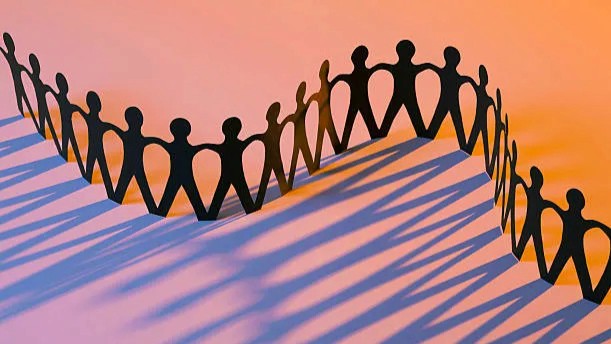
But there is one more element that could be decisive for the survival of democratic values in Poland and that at the same time remains neglected in public discourse. This element is solidarity.
Any illiberal change or any threat to the rule of law or democratic values is not only about the capture or hostile takeover of institutions. That is what we read in headlines, as a summary of certain political steps taken by the enemies of democracy. But we tend to forget, or at least do not sufficiently focus on, the fate of those who became victims of the whole situation. These are usually judges, prosecutors, civil servants, journalists, officers of secret services, diplomats, culture managers, museum curators, etc. All those who once believed in their own state, made a pledge of allegiance, and then did their best to remain faithful to their promise, professional integrity, and life mission. Who spent their lives obtaining the best professional education and experience. Who decided to choose public service over a career in the private sector. And ultimately, who often do not have an easy option of choosing a different career path, especially when they invested their best professional years in the public sector.
Illiberal change may mean that such people are no longer needed. Their professional careers are broken and their future uncertain. In Poland, some judges were suspended for their courageous fight for the rule of law or subjected to disciplinary proceedings. Even people affiliated with the Ministry of Justice orchestrated hate campaigns against certain judges. Prosecutors were downgraded to lower positions – just imagine someone who is a specialist in fighting organized transborder tax-fraud schemes and is asked the next day to work at the local level and deal with bicycle theft or other petty crimes. Highly experienced diplomats were recalled from their diplomatic posts and forced into early retirement or subordinate positions. Civil servants had to make room for typical party nominees, lacking proper qualifications but possessing party loyalty. Journalists working in public media were forced to leave or could no longer remain in institutions where independent news services had been transformed into machines of party propaganda. NGO leaders were presented as enemies of the state and could not count on any protection when waves of hatred destroyed their lives. Furthermore, these processes affected not only the individuals concerned but sometimes also their family members, who became targets of hateful propaganda or the disclosure of personal stories from the past. Sometimes, there were no limits in the form of protecting dignity or basic standards of decency when the aim was to achieve immediate political gain. Cynicism prevailed over values.
But we should not forget that each such situation is a personal drama. Sometimes people are strong enough to resist pressure. Sometimes they have family members who support them. But even when such basic ties work, they still need to feel that they remain part of society, that they are needed, and that their service mattered.
And here we return to something that was transformed from a slogan into practice by the Polish anti-communist movement: solidarity.
In 1976, when Polish workers in Radom and Ursus suffered due to communist oppression, intellectual leaders from Warsaw created the Workers’ Defense Committee (Komitet Obrony Robotników). They wanted to help workers fight misery, to show them compassion, and to collect money for them and their families. Later, this initiative evolved into something larger – the “Solidarity” movement based on trade unions. But the idea remained the same: to help those who were oppressed, without basic means, and suffering under pressure. Protests by trade unions were often organized not because of a bad situation in a particular factory, but to support those who were taking a risk, who were fired from their workplaces, imprisoned, or beaten by the secret police.
One of the intellectual leaders of the “Solidarity” movement – Reverend Józef Tischner – explained why solidarity matters. Józef Tischner said that “Man is always in solidarity with somebody and for somebody.” He posed the central question of for whom one should express solidarity and what kind of deeds one should undertake. According to Tischner, solidarity “is, first of all, for those who have been hurt by other people and whose suffering could have been avoided for it was contingent and superfluous.” In his opinion, “it does not exclude solidarity with others, with all who suffer. But solidarity with those who suffer because of other people is especially vivid, strong, and spontaneous.”
Guided by these words, people of the “Solidarity” movement looked around and asked themselves: who is currently crying out in despair, who is sounding the alarm, who is drawing attention to their problems, who is suffering a particular injustice? That is why in the 1980s they were actively engaged in the “Solidarity” movement and in several other initiatives aimed at supporting those who suffered, while at the same time dreaming of a different Poland.
It was therefore no surprise that forty years later, in 2016, when an illiberal tide came to Poland, people began to gather around Lech Wałęsa and other former leaders of the “Solidarity” movement. They were looking for moral guidance. But even more importantly, they transformed their actions into a movement similar to the Workers’ Defense Committee. In 2018, a coalition of thirteen non-governmental organizations established an umbrella organization – the Justice Defense Committee (Komitet Obrony Sprawiedliwości). Its aim was to support judges and prosecutors who were subject to reprisals for their activities. The Committee provided legal aid, monitoring of trials, psychological support, and sometimes even financial assistance to their families. Interestingly, this Committee received moral and symbolic support from living members of the 1976 Workers’ Defense Committee.
The operation of this Committee was a visible gesture of solidarity. But many others followed, sometimes discreetly. A retired, prominent judge would quietly call colleagues under pressure – just a call yet deeply sustaining. There were collections for those in need, public attendance in courtrooms during disciplinary trials, letters and postcards, acts of symbolic art, invitations to meetings and to private dinners, all so that no one would feel alone. As Ombudsman (Commissioner for Human Rights), myself under pressure, I received many such signs of kindness. To this day, I feel I owe my fellow citizens a great debt.
But this feeling of solidarity was not limited to public officials. There were, for example, targeted LGBT+ activists who received support from their communities, women – victims of lack of access to legal abortion – who heard “You will never walk alone”. And there were, of course, more than one million refugees from Ukraine, who received solidarity from Polish society after the breakup of their world.
Such a sense of solidarity created a long-lasting impact. People – victims of the illiberal regime – could feel that they did not walk alone, that better days might come, that “those of good will are more numerous,” as Polish singer Czeslaw Niemen sings. Solidarity does not mean immediate reward for effort. One should not expect a sudden thunder strike and immediate change of political attitudes as a consequence of one’s actions. But every such gesture makes a small change in the universe and builds a community of those who think differently and make their own judgments. It transforms us from within and, in the longer term, may contribute to real change.
This value of solidarity has been underlined in the recent book by Timothy Snyder, “On Freedom.” For him, solidarity should be one of the manifestations of freedom. Freedom means that one is not alone in society but is building a community together with others. Therefore, freedom may also oblige us to take care of others, by fighting for their freedoms and by providing healthcare and public services for everyone.
Certainly, sometimes showing solidarity may be costly. It is natural that people take this cost into account and consider the possible consequences for their families or professional lives. They also do not want to become victims of repression. One should not blame them for this but rather encourage them to seek other forms of engagement. There are many ways to show solidarity without going public: by building private relationships, contributing to fundraising, or using indirect forms of support. It is a question of imagination. The most important thing is the inner need – to see a human being in those who are subject to pressure and to want to support them.
Solidarity played such a strong role during those eight years that it found a prominent place in the first days after the new government was formed following the October 2023 elections. Prime Minister Donald Tusk, in his exposé, recalled the words of Pope John Paul II that solidarity never means “one against the other”. It is always “one with the other.” Therefore, solidarity should teach us how to rebuild the national community. Donald Tusk claimed that “the lesson of solidarity is a lesson of the ability to fight against differences between people and to build every day such a community that allows for differences, but makes it possible to act together and to jointly carry responsibility for your own homeland.”
This vision of solidarity goes beyond the individual dimension referred to above. But no political leader would be brave enough to express such a vision for the country without the experience of eight consecutive years of struggle for values, civil society resilience, different forms of protest, devotion to European and constitutional values, and above all, solidarity with those who suffered.
To put it in simple terms, solidarity means: Ask not what your country can do for you—ask what you can do for your fellow citizens, who are suffering.
PS. The author would like to thank Jacek Kołtan for his comments. Dr. Kołtan is a tireless promoter of the idea of solidarity and the author of the book “Solidarity and Modernity. The Transformation of the Concept of Solidarity from the French Revolution to the Peaceful Revolution of 1980.” (European Solidarity Centre, Gdańsk 2025, forthcoming in English).
Editor’s Note: This piece is the fourth in the Democracy Project’s "What's Next?" series, which analyzes democratic reforms.
For eight long years Poland suffered due to the rule of law crisis and an attempt to transform the country into an illiberal democracy, modelled on the example of Viktor Orbán’s Hungary. Nevertheless, the elections in October 2023 brought a decisive victory for the pro-democratic and pro-European coalition headed by Donald Tusk, with a record 75% turnout.
The victory of the pro-democratic forces was not only the result of a good political program, a successful electoral campaign, and clever leadership. For eight long years, it was civil society that kept the democratic flame alive, continuously protesting against illiberal changes and threats to the rule of law, and against the capture of state institutions, or litigating cases before European courts. Politicians could rely on this effort and build a relevant program for the elections.
But there is one more element that could be decisive for the survival of democratic values in Poland and that at the same time remains neglected in public discourse. This element is solidarity.
Any illiberal change or any threat to the rule of law or democratic values is not only about the capture or hostile takeover of institutions. That is what we read in headlines, as a summary of certain political steps taken by the enemies of democracy. But we tend to forget, or at least do not sufficiently focus on, the fate of those who became victims of the whole situation. These are usually judges, prosecutors, civil servants, journalists, officers of secret services, diplomats, culture managers, museum curators, etc. All those who once believed in their own state, made a pledge of allegiance, and then did their best to remain faithful to their promise, professional integrity, and life mission. Who spent their lives obtaining the best professional education and experience. Who decided to choose public service over a career in the private sector. And ultimately, who often do not have an easy option of choosing a different career path, especially when they invested their best professional years in the public sector.
Illiberal change may mean that such people are no longer needed. Their professional careers are broken and their future uncertain. In Poland, some judges were suspended for their courageous fight for the rule of law or subjected to disciplinary proceedings. Even people affiliated with the Ministry of Justice orchestrated hate campaigns against certain judges. Prosecutors were downgraded to lower positions – just imagine someone who is a specialist in fighting organized transborder tax-fraud schemes and is asked the next day to work at the local level and deal with bicycle theft or other petty crimes. Highly experienced diplomats were recalled from their diplomatic posts and forced into early retirement or subordinate positions. Civil servants had to make room for typical party nominees, lacking proper qualifications but possessing party loyalty. Journalists working in public media were forced to leave or could no longer remain in institutions where independent news services had been transformed into machines of party propaganda. NGO leaders were presented as enemies of the state and could not count on any protection when waves of hatred destroyed their lives. Furthermore, these processes affected not only the individuals concerned but sometimes also their family members, who became targets of hateful propaganda or the disclosure of personal stories from the past. Sometimes, there were no limits in the form of protecting dignity or basic standards of decency when the aim was to achieve immediate political gain. Cynicism prevailed over values.
But we should not forget that each such situation is a personal drama. Sometimes people are strong enough to resist pressure. Sometimes they have family members who support them. But even when such basic ties work, they still need to feel that they remain part of society, that they are needed, and that their service mattered.
And here we return to something that was transformed from a slogan into practice by the Polish anti-communist movement: solidarity.
In 1976, when Polish workers in Radom and Ursus suffered due to communist oppression, intellectual leaders from Warsaw created the Workers’ Defense Committee (Komitet Obrony Robotników). They wanted to help workers fight misery, to show them compassion, and to collect money for them and their families. Later, this initiative evolved into something larger – the “Solidarity” movement based on trade unions. But the idea remained the same: to help those who were oppressed, without basic means, and suffering under pressure. Protests by trade unions were often organized not because of a bad situation in a particular factory, but to support those who were taking a risk, who were fired from their workplaces, imprisoned, or beaten by the secret police.
One of the intellectual leaders of the “Solidarity” movement – Reverend Józef Tischner – explained why solidarity matters. Józef Tischner said that “Man is always in solidarity with somebody and for somebody.” He posed the central question of for whom one should express solidarity and what kind of deeds one should undertake. According to Tischner, solidarity “is, first of all, for those who have been hurt by other people and whose suffering could have been avoided for it was contingent and superfluous.” In his opinion, “it does not exclude solidarity with others, with all who suffer. But solidarity with those who suffer because of other people is especially vivid, strong, and spontaneous.”
Guided by these words, people of the “Solidarity” movement looked around and asked themselves: who is currently crying out in despair, who is sounding the alarm, who is drawing attention to their problems, who is suffering a particular injustice? That is why in the 1980s they were actively engaged in the “Solidarity” movement and in several other initiatives aimed at supporting those who suffered, while at the same time dreaming of a different Poland.
It was therefore no surprise that forty years later, in 2016, when an illiberal tide came to Poland, people began to gather around Lech Wałęsa and other former leaders of the “Solidarity” movement. They were looking for moral guidance. But even more importantly, they transformed their actions into a movement similar to the Workers’ Defense Committee. In 2018, a coalition of thirteen non-governmental organizations established an umbrella organization – the Justice Defense Committee (Komitet Obrony Sprawiedliwości). Its aim was to support judges and prosecutors who were subject to reprisals for their activities. The Committee provided legal aid, monitoring of trials, psychological support, and sometimes even financial assistance to their families. Interestingly, this Committee received moral and symbolic support from living members of the 1976 Workers’ Defense Committee.
The operation of this Committee was a visible gesture of solidarity. But many others followed, sometimes discreetly. A retired, prominent judge would quietly call colleagues under pressure – just a call yet deeply sustaining. There were collections for those in need, public attendance in courtrooms during disciplinary trials, letters and postcards, acts of symbolic art, invitations to meetings and to private dinners, all so that no one would feel alone. As Ombudsman (Commissioner for Human Rights), myself under pressure, I received many such signs of kindness. To this day, I feel I owe my fellow citizens a great debt.
But this feeling of solidarity was not limited to public officials. There were, for example, targeted LGBT+ activists who received support from their communities, women – victims of lack of access to legal abortion – who heard “You will never walk alone”. And there were, of course, more than one million refugees from Ukraine, who received solidarity from Polish society after the breakup of their world.
Such a sense of solidarity created a long-lasting impact. People – victims of the illiberal regime – could feel that they did not walk alone, that better days might come, that “those of good will are more numerous,” as Polish singer Czeslaw Niemen sings. Solidarity does not mean immediate reward for effort. One should not expect a sudden thunder strike and immediate change of political attitudes as a consequence of one’s actions. But every such gesture makes a small change in the universe and builds a community of those who think differently and make their own judgments. It transforms us from within and, in the longer term, may contribute to real change.
This value of solidarity has been underlined in the recent book by Timothy Snyder, “On Freedom.” For him, solidarity should be one of the manifestations of freedom. Freedom means that one is not alone in society but is building a community together with others. Therefore, freedom may also oblige us to take care of others, by fighting for their freedoms and by providing healthcare and public services for everyone.
Certainly, sometimes showing solidarity may be costly. It is natural that people take this cost into account and consider the possible consequences for their families or professional lives. They also do not want to become victims of repression. One should not blame them for this but rather encourage them to seek other forms of engagement. There are many ways to show solidarity without going public: by building private relationships, contributing to fundraising, or using indirect forms of support. It is a question of imagination. The most important thing is the inner need – to see a human being in those who are subject to pressure and to want to support them.
Solidarity played such a strong role during those eight years that it found a prominent place in the first days after the new government was formed following the October 2023 elections. Prime Minister Donald Tusk, in his exposé, recalled the words of Pope John Paul II that solidarity never means “one against the other”. It is always “one with the other.” Therefore, solidarity should teach us how to rebuild the national community. Donald Tusk claimed that “the lesson of solidarity is a lesson of the ability to fight against differences between people and to build every day such a community that allows for differences, but makes it possible to act together and to jointly carry responsibility for your own homeland.”
This vision of solidarity goes beyond the individual dimension referred to above. But no political leader would be brave enough to express such a vision for the country without the experience of eight consecutive years of struggle for values, civil society resilience, different forms of protest, devotion to European and constitutional values, and above all, solidarity with those who suffered.
To put it in simple terms, solidarity means: Ask not what your country can do for you—ask what you can do for your fellow citizens, who are suffering.
PS. The author would like to thank Jacek Kołtan for his comments. Dr. Kołtan is a tireless promoter of the idea of solidarity and the author of the book “Solidarity and Modernity. The Transformation of the Concept of Solidarity from the French Revolution to the Peaceful Revolution of 1980.” (European Solidarity Centre, Gdańsk 2025, forthcoming in English).
Editor’s Note: This piece is the fourth in the Democracy Project’s "What's Next?" series, which analyzes democratic reforms.
For eight long years Poland suffered due to the rule of law crisis and an attempt to transform the country into an illiberal democracy, modelled on the example of Viktor Orbán’s Hungary. Nevertheless, the elections in October 2023 brought a decisive victory for the pro-democratic and pro-European coalition headed by Donald Tusk, with a record 75% turnout.
The victory of the pro-democratic forces was not only the result of a good political program, a successful electoral campaign, and clever leadership. For eight long years, it was civil society that kept the democratic flame alive, continuously protesting against illiberal changes and threats to the rule of law, and against the capture of state institutions, or litigating cases before European courts. Politicians could rely on this effort and build a relevant program for the elections.
But there is one more element that could be decisive for the survival of democratic values in Poland and that at the same time remains neglected in public discourse. This element is solidarity.
Any illiberal change or any threat to the rule of law or democratic values is not only about the capture or hostile takeover of institutions. That is what we read in headlines, as a summary of certain political steps taken by the enemies of democracy. But we tend to forget, or at least do not sufficiently focus on, the fate of those who became victims of the whole situation. These are usually judges, prosecutors, civil servants, journalists, officers of secret services, diplomats, culture managers, museum curators, etc. All those who once believed in their own state, made a pledge of allegiance, and then did their best to remain faithful to their promise, professional integrity, and life mission. Who spent their lives obtaining the best professional education and experience. Who decided to choose public service over a career in the private sector. And ultimately, who often do not have an easy option of choosing a different career path, especially when they invested their best professional years in the public sector.
Illiberal change may mean that such people are no longer needed. Their professional careers are broken and their future uncertain. In Poland, some judges were suspended for their courageous fight for the rule of law or subjected to disciplinary proceedings. Even people affiliated with the Ministry of Justice orchestrated hate campaigns against certain judges. Prosecutors were downgraded to lower positions – just imagine someone who is a specialist in fighting organized transborder tax-fraud schemes and is asked the next day to work at the local level and deal with bicycle theft or other petty crimes. Highly experienced diplomats were recalled from their diplomatic posts and forced into early retirement or subordinate positions. Civil servants had to make room for typical party nominees, lacking proper qualifications but possessing party loyalty. Journalists working in public media were forced to leave or could no longer remain in institutions where independent news services had been transformed into machines of party propaganda. NGO leaders were presented as enemies of the state and could not count on any protection when waves of hatred destroyed their lives. Furthermore, these processes affected not only the individuals concerned but sometimes also their family members, who became targets of hateful propaganda or the disclosure of personal stories from the past. Sometimes, there were no limits in the form of protecting dignity or basic standards of decency when the aim was to achieve immediate political gain. Cynicism prevailed over values.
But we should not forget that each such situation is a personal drama. Sometimes people are strong enough to resist pressure. Sometimes they have family members who support them. But even when such basic ties work, they still need to feel that they remain part of society, that they are needed, and that their service mattered.
And here we return to something that was transformed from a slogan into practice by the Polish anti-communist movement: solidarity.
In 1976, when Polish workers in Radom and Ursus suffered due to communist oppression, intellectual leaders from Warsaw created the Workers’ Defense Committee (Komitet Obrony Robotników). They wanted to help workers fight misery, to show them compassion, and to collect money for them and their families. Later, this initiative evolved into something larger – the “Solidarity” movement based on trade unions. But the idea remained the same: to help those who were oppressed, without basic means, and suffering under pressure. Protests by trade unions were often organized not because of a bad situation in a particular factory, but to support those who were taking a risk, who were fired from their workplaces, imprisoned, or beaten by the secret police.
One of the intellectual leaders of the “Solidarity” movement – Reverend Józef Tischner – explained why solidarity matters. Józef Tischner said that “Man is always in solidarity with somebody and for somebody.” He posed the central question of for whom one should express solidarity and what kind of deeds one should undertake. According to Tischner, solidarity “is, first of all, for those who have been hurt by other people and whose suffering could have been avoided for it was contingent and superfluous.” In his opinion, “it does not exclude solidarity with others, with all who suffer. But solidarity with those who suffer because of other people is especially vivid, strong, and spontaneous.”
Guided by these words, people of the “Solidarity” movement looked around and asked themselves: who is currently crying out in despair, who is sounding the alarm, who is drawing attention to their problems, who is suffering a particular injustice? That is why in the 1980s they were actively engaged in the “Solidarity” movement and in several other initiatives aimed at supporting those who suffered, while at the same time dreaming of a different Poland.
It was therefore no surprise that forty years later, in 2016, when an illiberal tide came to Poland, people began to gather around Lech Wałęsa and other former leaders of the “Solidarity” movement. They were looking for moral guidance. But even more importantly, they transformed their actions into a movement similar to the Workers’ Defense Committee. In 2018, a coalition of thirteen non-governmental organizations established an umbrella organization – the Justice Defense Committee (Komitet Obrony Sprawiedliwości). Its aim was to support judges and prosecutors who were subject to reprisals for their activities. The Committee provided legal aid, monitoring of trials, psychological support, and sometimes even financial assistance to their families. Interestingly, this Committee received moral and symbolic support from living members of the 1976 Workers’ Defense Committee.
The operation of this Committee was a visible gesture of solidarity. But many others followed, sometimes discreetly. A retired, prominent judge would quietly call colleagues under pressure – just a call yet deeply sustaining. There were collections for those in need, public attendance in courtrooms during disciplinary trials, letters and postcards, acts of symbolic art, invitations to meetings and to private dinners, all so that no one would feel alone. As Ombudsman (Commissioner for Human Rights), myself under pressure, I received many such signs of kindness. To this day, I feel I owe my fellow citizens a great debt.
But this feeling of solidarity was not limited to public officials. There were, for example, targeted LGBT+ activists who received support from their communities, women – victims of lack of access to legal abortion – who heard “You will never walk alone”. And there were, of course, more than one million refugees from Ukraine, who received solidarity from Polish society after the breakup of their world.
Such a sense of solidarity created a long-lasting impact. People – victims of the illiberal regime – could feel that they did not walk alone, that better days might come, that “those of good will are more numerous,” as Polish singer Czeslaw Niemen sings. Solidarity does not mean immediate reward for effort. One should not expect a sudden thunder strike and immediate change of political attitudes as a consequence of one’s actions. But every such gesture makes a small change in the universe and builds a community of those who think differently and make their own judgments. It transforms us from within and, in the longer term, may contribute to real change.
This value of solidarity has been underlined in the recent book by Timothy Snyder, “On Freedom.” For him, solidarity should be one of the manifestations of freedom. Freedom means that one is not alone in society but is building a community together with others. Therefore, freedom may also oblige us to take care of others, by fighting for their freedoms and by providing healthcare and public services for everyone.
Certainly, sometimes showing solidarity may be costly. It is natural that people take this cost into account and consider the possible consequences for their families or professional lives. They also do not want to become victims of repression. One should not blame them for this but rather encourage them to seek other forms of engagement. There are many ways to show solidarity without going public: by building private relationships, contributing to fundraising, or using indirect forms of support. It is a question of imagination. The most important thing is the inner need – to see a human being in those who are subject to pressure and to want to support them.
Solidarity played such a strong role during those eight years that it found a prominent place in the first days after the new government was formed following the October 2023 elections. Prime Minister Donald Tusk, in his exposé, recalled the words of Pope John Paul II that solidarity never means “one against the other”. It is always “one with the other.” Therefore, solidarity should teach us how to rebuild the national community. Donald Tusk claimed that “the lesson of solidarity is a lesson of the ability to fight against differences between people and to build every day such a community that allows for differences, but makes it possible to act together and to jointly carry responsibility for your own homeland.”
This vision of solidarity goes beyond the individual dimension referred to above. But no political leader would be brave enough to express such a vision for the country without the experience of eight consecutive years of struggle for values, civil society resilience, different forms of protest, devotion to European and constitutional values, and above all, solidarity with those who suffered.
To put it in simple terms, solidarity means: Ask not what your country can do for you—ask what you can do for your fellow citizens, who are suffering.
PS. The author would like to thank Jacek Kołtan for his comments. Dr. Kołtan is a tireless promoter of the idea of solidarity and the author of the book “Solidarity and Modernity. The Transformation of the Concept of Solidarity from the French Revolution to the Peaceful Revolution of 1980.” (European Solidarity Centre, Gdańsk 2025, forthcoming in English).
Editor’s Note: This piece is the fourth in the Democracy Project’s "What's Next?" series, which analyzes democratic reforms.
For eight long years Poland suffered due to the rule of law crisis and an attempt to transform the country into an illiberal democracy, modelled on the example of Viktor Orbán’s Hungary. Nevertheless, the elections in October 2023 brought a decisive victory for the pro-democratic and pro-European coalition headed by Donald Tusk, with a record 75% turnout.
The victory of the pro-democratic forces was not only the result of a good political program, a successful electoral campaign, and clever leadership. For eight long years, it was civil society that kept the democratic flame alive, continuously protesting against illiberal changes and threats to the rule of law, and against the capture of state institutions, or litigating cases before European courts. Politicians could rely on this effort and build a relevant program for the elections.
But there is one more element that could be decisive for the survival of democratic values in Poland and that at the same time remains neglected in public discourse. This element is solidarity.
Any illiberal change or any threat to the rule of law or democratic values is not only about the capture or hostile takeover of institutions. That is what we read in headlines, as a summary of certain political steps taken by the enemies of democracy. But we tend to forget, or at least do not sufficiently focus on, the fate of those who became victims of the whole situation. These are usually judges, prosecutors, civil servants, journalists, officers of secret services, diplomats, culture managers, museum curators, etc. All those who once believed in their own state, made a pledge of allegiance, and then did their best to remain faithful to their promise, professional integrity, and life mission. Who spent their lives obtaining the best professional education and experience. Who decided to choose public service over a career in the private sector. And ultimately, who often do not have an easy option of choosing a different career path, especially when they invested their best professional years in the public sector.
Illiberal change may mean that such people are no longer needed. Their professional careers are broken and their future uncertain. In Poland, some judges were suspended for their courageous fight for the rule of law or subjected to disciplinary proceedings. Even people affiliated with the Ministry of Justice orchestrated hate campaigns against certain judges. Prosecutors were downgraded to lower positions – just imagine someone who is a specialist in fighting organized transborder tax-fraud schemes and is asked the next day to work at the local level and deal with bicycle theft or other petty crimes. Highly experienced diplomats were recalled from their diplomatic posts and forced into early retirement or subordinate positions. Civil servants had to make room for typical party nominees, lacking proper qualifications but possessing party loyalty. Journalists working in public media were forced to leave or could no longer remain in institutions where independent news services had been transformed into machines of party propaganda. NGO leaders were presented as enemies of the state and could not count on any protection when waves of hatred destroyed their lives. Furthermore, these processes affected not only the individuals concerned but sometimes also their family members, who became targets of hateful propaganda or the disclosure of personal stories from the past. Sometimes, there were no limits in the form of protecting dignity or basic standards of decency when the aim was to achieve immediate political gain. Cynicism prevailed over values.
But we should not forget that each such situation is a personal drama. Sometimes people are strong enough to resist pressure. Sometimes they have family members who support them. But even when such basic ties work, they still need to feel that they remain part of society, that they are needed, and that their service mattered.
And here we return to something that was transformed from a slogan into practice by the Polish anti-communist movement: solidarity.
In 1976, when Polish workers in Radom and Ursus suffered due to communist oppression, intellectual leaders from Warsaw created the Workers’ Defense Committee (Komitet Obrony Robotników). They wanted to help workers fight misery, to show them compassion, and to collect money for them and their families. Later, this initiative evolved into something larger – the “Solidarity” movement based on trade unions. But the idea remained the same: to help those who were oppressed, without basic means, and suffering under pressure. Protests by trade unions were often organized not because of a bad situation in a particular factory, but to support those who were taking a risk, who were fired from their workplaces, imprisoned, or beaten by the secret police.
One of the intellectual leaders of the “Solidarity” movement – Reverend Józef Tischner – explained why solidarity matters. Józef Tischner said that “Man is always in solidarity with somebody and for somebody.” He posed the central question of for whom one should express solidarity and what kind of deeds one should undertake. According to Tischner, solidarity “is, first of all, for those who have been hurt by other people and whose suffering could have been avoided for it was contingent and superfluous.” In his opinion, “it does not exclude solidarity with others, with all who suffer. But solidarity with those who suffer because of other people is especially vivid, strong, and spontaneous.”
Guided by these words, people of the “Solidarity” movement looked around and asked themselves: who is currently crying out in despair, who is sounding the alarm, who is drawing attention to their problems, who is suffering a particular injustice? That is why in the 1980s they were actively engaged in the “Solidarity” movement and in several other initiatives aimed at supporting those who suffered, while at the same time dreaming of a different Poland.
It was therefore no surprise that forty years later, in 2016, when an illiberal tide came to Poland, people began to gather around Lech Wałęsa and other former leaders of the “Solidarity” movement. They were looking for moral guidance. But even more importantly, they transformed their actions into a movement similar to the Workers’ Defense Committee. In 2018, a coalition of thirteen non-governmental organizations established an umbrella organization – the Justice Defense Committee (Komitet Obrony Sprawiedliwości). Its aim was to support judges and prosecutors who were subject to reprisals for their activities. The Committee provided legal aid, monitoring of trials, psychological support, and sometimes even financial assistance to their families. Interestingly, this Committee received moral and symbolic support from living members of the 1976 Workers’ Defense Committee.
The operation of this Committee was a visible gesture of solidarity. But many others followed, sometimes discreetly. A retired, prominent judge would quietly call colleagues under pressure – just a call yet deeply sustaining. There were collections for those in need, public attendance in courtrooms during disciplinary trials, letters and postcards, acts of symbolic art, invitations to meetings and to private dinners, all so that no one would feel alone. As Ombudsman (Commissioner for Human Rights), myself under pressure, I received many such signs of kindness. To this day, I feel I owe my fellow citizens a great debt.
But this feeling of solidarity was not limited to public officials. There were, for example, targeted LGBT+ activists who received support from their communities, women – victims of lack of access to legal abortion – who heard “You will never walk alone”. And there were, of course, more than one million refugees from Ukraine, who received solidarity from Polish society after the breakup of their world.
Such a sense of solidarity created a long-lasting impact. People – victims of the illiberal regime – could feel that they did not walk alone, that better days might come, that “those of good will are more numerous,” as Polish singer Czeslaw Niemen sings. Solidarity does not mean immediate reward for effort. One should not expect a sudden thunder strike and immediate change of political attitudes as a consequence of one’s actions. But every such gesture makes a small change in the universe and builds a community of those who think differently and make their own judgments. It transforms us from within and, in the longer term, may contribute to real change.
This value of solidarity has been underlined in the recent book by Timothy Snyder, “On Freedom.” For him, solidarity should be one of the manifestations of freedom. Freedom means that one is not alone in society but is building a community together with others. Therefore, freedom may also oblige us to take care of others, by fighting for their freedoms and by providing healthcare and public services for everyone.
Certainly, sometimes showing solidarity may be costly. It is natural that people take this cost into account and consider the possible consequences for their families or professional lives. They also do not want to become victims of repression. One should not blame them for this but rather encourage them to seek other forms of engagement. There are many ways to show solidarity without going public: by building private relationships, contributing to fundraising, or using indirect forms of support. It is a question of imagination. The most important thing is the inner need – to see a human being in those who are subject to pressure and to want to support them.
Solidarity played such a strong role during those eight years that it found a prominent place in the first days after the new government was formed following the October 2023 elections. Prime Minister Donald Tusk, in his exposé, recalled the words of Pope John Paul II that solidarity never means “one against the other”. It is always “one with the other.” Therefore, solidarity should teach us how to rebuild the national community. Donald Tusk claimed that “the lesson of solidarity is a lesson of the ability to fight against differences between people and to build every day such a community that allows for differences, but makes it possible to act together and to jointly carry responsibility for your own homeland.”
This vision of solidarity goes beyond the individual dimension referred to above. But no political leader would be brave enough to express such a vision for the country without the experience of eight consecutive years of struggle for values, civil society resilience, different forms of protest, devotion to European and constitutional values, and above all, solidarity with those who suffered.
To put it in simple terms, solidarity means: Ask not what your country can do for you—ask what you can do for your fellow citizens, who are suffering.
PS. The author would like to thank Jacek Kołtan for his comments. Dr. Kołtan is a tireless promoter of the idea of solidarity and the author of the book “Solidarity and Modernity. The Transformation of the Concept of Solidarity from the French Revolution to the Peaceful Revolution of 1980.” (European Solidarity Centre, Gdańsk 2025, forthcoming in English).
Editor’s Note: This piece is the fourth in the Democracy Project’s "What's Next?" series, which analyzes democratic reforms.
For eight long years Poland suffered due to the rule of law crisis and an attempt to transform the country into an illiberal democracy, modelled on the example of Viktor Orbán’s Hungary. Nevertheless, the elections in October 2023 brought a decisive victory for the pro-democratic and pro-European coalition headed by Donald Tusk, with a record 75% turnout.
The victory of the pro-democratic forces was not only the result of a good political program, a successful electoral campaign, and clever leadership. For eight long years, it was civil society that kept the democratic flame alive, continuously protesting against illiberal changes and threats to the rule of law, and against the capture of state institutions, or litigating cases before European courts. Politicians could rely on this effort and build a relevant program for the elections.
But there is one more element that could be decisive for the survival of democratic values in Poland and that at the same time remains neglected in public discourse. This element is solidarity.
Any illiberal change or any threat to the rule of law or democratic values is not only about the capture or hostile takeover of institutions. That is what we read in headlines, as a summary of certain political steps taken by the enemies of democracy. But we tend to forget, or at least do not sufficiently focus on, the fate of those who became victims of the whole situation. These are usually judges, prosecutors, civil servants, journalists, officers of secret services, diplomats, culture managers, museum curators, etc. All those who once believed in their own state, made a pledge of allegiance, and then did their best to remain faithful to their promise, professional integrity, and life mission. Who spent their lives obtaining the best professional education and experience. Who decided to choose public service over a career in the private sector. And ultimately, who often do not have an easy option of choosing a different career path, especially when they invested their best professional years in the public sector.
Illiberal change may mean that such people are no longer needed. Their professional careers are broken and their future uncertain. In Poland, some judges were suspended for their courageous fight for the rule of law or subjected to disciplinary proceedings. Even people affiliated with the Ministry of Justice orchestrated hate campaigns against certain judges. Prosecutors were downgraded to lower positions – just imagine someone who is a specialist in fighting organized transborder tax-fraud schemes and is asked the next day to work at the local level and deal with bicycle theft or other petty crimes. Highly experienced diplomats were recalled from their diplomatic posts and forced into early retirement or subordinate positions. Civil servants had to make room for typical party nominees, lacking proper qualifications but possessing party loyalty. Journalists working in public media were forced to leave or could no longer remain in institutions where independent news services had been transformed into machines of party propaganda. NGO leaders were presented as enemies of the state and could not count on any protection when waves of hatred destroyed their lives. Furthermore, these processes affected not only the individuals concerned but sometimes also their family members, who became targets of hateful propaganda or the disclosure of personal stories from the past. Sometimes, there were no limits in the form of protecting dignity or basic standards of decency when the aim was to achieve immediate political gain. Cynicism prevailed over values.
But we should not forget that each such situation is a personal drama. Sometimes people are strong enough to resist pressure. Sometimes they have family members who support them. But even when such basic ties work, they still need to feel that they remain part of society, that they are needed, and that their service mattered.
And here we return to something that was transformed from a slogan into practice by the Polish anti-communist movement: solidarity.
In 1976, when Polish workers in Radom and Ursus suffered due to communist oppression, intellectual leaders from Warsaw created the Workers’ Defense Committee (Komitet Obrony Robotników). They wanted to help workers fight misery, to show them compassion, and to collect money for them and their families. Later, this initiative evolved into something larger – the “Solidarity” movement based on trade unions. But the idea remained the same: to help those who were oppressed, without basic means, and suffering under pressure. Protests by trade unions were often organized not because of a bad situation in a particular factory, but to support those who were taking a risk, who were fired from their workplaces, imprisoned, or beaten by the secret police.
One of the intellectual leaders of the “Solidarity” movement – Reverend Józef Tischner – explained why solidarity matters. Józef Tischner said that “Man is always in solidarity with somebody and for somebody.” He posed the central question of for whom one should express solidarity and what kind of deeds one should undertake. According to Tischner, solidarity “is, first of all, for those who have been hurt by other people and whose suffering could have been avoided for it was contingent and superfluous.” In his opinion, “it does not exclude solidarity with others, with all who suffer. But solidarity with those who suffer because of other people is especially vivid, strong, and spontaneous.”
Guided by these words, people of the “Solidarity” movement looked around and asked themselves: who is currently crying out in despair, who is sounding the alarm, who is drawing attention to their problems, who is suffering a particular injustice? That is why in the 1980s they were actively engaged in the “Solidarity” movement and in several other initiatives aimed at supporting those who suffered, while at the same time dreaming of a different Poland.
It was therefore no surprise that forty years later, in 2016, when an illiberal tide came to Poland, people began to gather around Lech Wałęsa and other former leaders of the “Solidarity” movement. They were looking for moral guidance. But even more importantly, they transformed their actions into a movement similar to the Workers’ Defense Committee. In 2018, a coalition of thirteen non-governmental organizations established an umbrella organization – the Justice Defense Committee (Komitet Obrony Sprawiedliwości). Its aim was to support judges and prosecutors who were subject to reprisals for their activities. The Committee provided legal aid, monitoring of trials, psychological support, and sometimes even financial assistance to their families. Interestingly, this Committee received moral and symbolic support from living members of the 1976 Workers’ Defense Committee.
The operation of this Committee was a visible gesture of solidarity. But many others followed, sometimes discreetly. A retired, prominent judge would quietly call colleagues under pressure – just a call yet deeply sustaining. There were collections for those in need, public attendance in courtrooms during disciplinary trials, letters and postcards, acts of symbolic art, invitations to meetings and to private dinners, all so that no one would feel alone. As Ombudsman (Commissioner for Human Rights), myself under pressure, I received many such signs of kindness. To this day, I feel I owe my fellow citizens a great debt.
But this feeling of solidarity was not limited to public officials. There were, for example, targeted LGBT+ activists who received support from their communities, women – victims of lack of access to legal abortion – who heard “You will never walk alone”. And there were, of course, more than one million refugees from Ukraine, who received solidarity from Polish society after the breakup of their world.
Such a sense of solidarity created a long-lasting impact. People – victims of the illiberal regime – could feel that they did not walk alone, that better days might come, that “those of good will are more numerous,” as Polish singer Czeslaw Niemen sings. Solidarity does not mean immediate reward for effort. One should not expect a sudden thunder strike and immediate change of political attitudes as a consequence of one’s actions. But every such gesture makes a small change in the universe and builds a community of those who think differently and make their own judgments. It transforms us from within and, in the longer term, may contribute to real change.
This value of solidarity has been underlined in the recent book by Timothy Snyder, “On Freedom.” For him, solidarity should be one of the manifestations of freedom. Freedom means that one is not alone in society but is building a community together with others. Therefore, freedom may also oblige us to take care of others, by fighting for their freedoms and by providing healthcare and public services for everyone.
Certainly, sometimes showing solidarity may be costly. It is natural that people take this cost into account and consider the possible consequences for their families or professional lives. They also do not want to become victims of repression. One should not blame them for this but rather encourage them to seek other forms of engagement. There are many ways to show solidarity without going public: by building private relationships, contributing to fundraising, or using indirect forms of support. It is a question of imagination. The most important thing is the inner need – to see a human being in those who are subject to pressure and to want to support them.
Solidarity played such a strong role during those eight years that it found a prominent place in the first days after the new government was formed following the October 2023 elections. Prime Minister Donald Tusk, in his exposé, recalled the words of Pope John Paul II that solidarity never means “one against the other”. It is always “one with the other.” Therefore, solidarity should teach us how to rebuild the national community. Donald Tusk claimed that “the lesson of solidarity is a lesson of the ability to fight against differences between people and to build every day such a community that allows for differences, but makes it possible to act together and to jointly carry responsibility for your own homeland.”
This vision of solidarity goes beyond the individual dimension referred to above. But no political leader would be brave enough to express such a vision for the country without the experience of eight consecutive years of struggle for values, civil society resilience, different forms of protest, devotion to European and constitutional values, and above all, solidarity with those who suffered.
To put it in simple terms, solidarity means: Ask not what your country can do for you—ask what you can do for your fellow citizens, who are suffering.
PS. The author would like to thank Jacek Kołtan for his comments. Dr. Kołtan is a tireless promoter of the idea of solidarity and the author of the book “Solidarity and Modernity. The Transformation of the Concept of Solidarity from the French Revolution to the Peaceful Revolution of 1980.” (European Solidarity Centre, Gdańsk 2025, forthcoming in English).
Editor’s Note: This piece is the fourth in the Democracy Project’s "What's Next?" series, which analyzes democratic reforms.
For eight long years Poland suffered due to the rule of law crisis and an attempt to transform the country into an illiberal democracy, modelled on the example of Viktor Orbán’s Hungary. Nevertheless, the elections in October 2023 brought a decisive victory for the pro-democratic and pro-European coalition headed by Donald Tusk, with a record 75% turnout.
The victory of the pro-democratic forces was not only the result of a good political program, a successful electoral campaign, and clever leadership. For eight long years, it was civil society that kept the democratic flame alive, continuously protesting against illiberal changes and threats to the rule of law, and against the capture of state institutions, or litigating cases before European courts. Politicians could rely on this effort and build a relevant program for the elections.
But there is one more element that could be decisive for the survival of democratic values in Poland and that at the same time remains neglected in public discourse. This element is solidarity.
Any illiberal change or any threat to the rule of law or democratic values is not only about the capture or hostile takeover of institutions. That is what we read in headlines, as a summary of certain political steps taken by the enemies of democracy. But we tend to forget, or at least do not sufficiently focus on, the fate of those who became victims of the whole situation. These are usually judges, prosecutors, civil servants, journalists, officers of secret services, diplomats, culture managers, museum curators, etc. All those who once believed in their own state, made a pledge of allegiance, and then did their best to remain faithful to their promise, professional integrity, and life mission. Who spent their lives obtaining the best professional education and experience. Who decided to choose public service over a career in the private sector. And ultimately, who often do not have an easy option of choosing a different career path, especially when they invested their best professional years in the public sector.
Illiberal change may mean that such people are no longer needed. Their professional careers are broken and their future uncertain. In Poland, some judges were suspended for their courageous fight for the rule of law or subjected to disciplinary proceedings. Even people affiliated with the Ministry of Justice orchestrated hate campaigns against certain judges. Prosecutors were downgraded to lower positions – just imagine someone who is a specialist in fighting organized transborder tax-fraud schemes and is asked the next day to work at the local level and deal with bicycle theft or other petty crimes. Highly experienced diplomats were recalled from their diplomatic posts and forced into early retirement or subordinate positions. Civil servants had to make room for typical party nominees, lacking proper qualifications but possessing party loyalty. Journalists working in public media were forced to leave or could no longer remain in institutions where independent news services had been transformed into machines of party propaganda. NGO leaders were presented as enemies of the state and could not count on any protection when waves of hatred destroyed their lives. Furthermore, these processes affected not only the individuals concerned but sometimes also their family members, who became targets of hateful propaganda or the disclosure of personal stories from the past. Sometimes, there were no limits in the form of protecting dignity or basic standards of decency when the aim was to achieve immediate political gain. Cynicism prevailed over values.
But we should not forget that each such situation is a personal drama. Sometimes people are strong enough to resist pressure. Sometimes they have family members who support them. But even when such basic ties work, they still need to feel that they remain part of society, that they are needed, and that their service mattered.
And here we return to something that was transformed from a slogan into practice by the Polish anti-communist movement: solidarity.
In 1976, when Polish workers in Radom and Ursus suffered due to communist oppression, intellectual leaders from Warsaw created the Workers’ Defense Committee (Komitet Obrony Robotników). They wanted to help workers fight misery, to show them compassion, and to collect money for them and their families. Later, this initiative evolved into something larger – the “Solidarity” movement based on trade unions. But the idea remained the same: to help those who were oppressed, without basic means, and suffering under pressure. Protests by trade unions were often organized not because of a bad situation in a particular factory, but to support those who were taking a risk, who were fired from their workplaces, imprisoned, or beaten by the secret police.
One of the intellectual leaders of the “Solidarity” movement – Reverend Józef Tischner – explained why solidarity matters. Józef Tischner said that “Man is always in solidarity with somebody and for somebody.” He posed the central question of for whom one should express solidarity and what kind of deeds one should undertake. According to Tischner, solidarity “is, first of all, for those who have been hurt by other people and whose suffering could have been avoided for it was contingent and superfluous.” In his opinion, “it does not exclude solidarity with others, with all who suffer. But solidarity with those who suffer because of other people is especially vivid, strong, and spontaneous.”
Guided by these words, people of the “Solidarity” movement looked around and asked themselves: who is currently crying out in despair, who is sounding the alarm, who is drawing attention to their problems, who is suffering a particular injustice? That is why in the 1980s they were actively engaged in the “Solidarity” movement and in several other initiatives aimed at supporting those who suffered, while at the same time dreaming of a different Poland.
It was therefore no surprise that forty years later, in 2016, when an illiberal tide came to Poland, people began to gather around Lech Wałęsa and other former leaders of the “Solidarity” movement. They were looking for moral guidance. But even more importantly, they transformed their actions into a movement similar to the Workers’ Defense Committee. In 2018, a coalition of thirteen non-governmental organizations established an umbrella organization – the Justice Defense Committee (Komitet Obrony Sprawiedliwości). Its aim was to support judges and prosecutors who were subject to reprisals for their activities. The Committee provided legal aid, monitoring of trials, psychological support, and sometimes even financial assistance to their families. Interestingly, this Committee received moral and symbolic support from living members of the 1976 Workers’ Defense Committee.
The operation of this Committee was a visible gesture of solidarity. But many others followed, sometimes discreetly. A retired, prominent judge would quietly call colleagues under pressure – just a call yet deeply sustaining. There were collections for those in need, public attendance in courtrooms during disciplinary trials, letters and postcards, acts of symbolic art, invitations to meetings and to private dinners, all so that no one would feel alone. As Ombudsman (Commissioner for Human Rights), myself under pressure, I received many such signs of kindness. To this day, I feel I owe my fellow citizens a great debt.
But this feeling of solidarity was not limited to public officials. There were, for example, targeted LGBT+ activists who received support from their communities, women – victims of lack of access to legal abortion – who heard “You will never walk alone”. And there were, of course, more than one million refugees from Ukraine, who received solidarity from Polish society after the breakup of their world.
Such a sense of solidarity created a long-lasting impact. People – victims of the illiberal regime – could feel that they did not walk alone, that better days might come, that “those of good will are more numerous,” as Polish singer Czeslaw Niemen sings. Solidarity does not mean immediate reward for effort. One should not expect a sudden thunder strike and immediate change of political attitudes as a consequence of one’s actions. But every such gesture makes a small change in the universe and builds a community of those who think differently and make their own judgments. It transforms us from within and, in the longer term, may contribute to real change.
This value of solidarity has been underlined in the recent book by Timothy Snyder, “On Freedom.” For him, solidarity should be one of the manifestations of freedom. Freedom means that one is not alone in society but is building a community together with others. Therefore, freedom may also oblige us to take care of others, by fighting for their freedoms and by providing healthcare and public services for everyone.
Certainly, sometimes showing solidarity may be costly. It is natural that people take this cost into account and consider the possible consequences for their families or professional lives. They also do not want to become victims of repression. One should not blame them for this but rather encourage them to seek other forms of engagement. There are many ways to show solidarity without going public: by building private relationships, contributing to fundraising, or using indirect forms of support. It is a question of imagination. The most important thing is the inner need – to see a human being in those who are subject to pressure and to want to support them.
Solidarity played such a strong role during those eight years that it found a prominent place in the first days after the new government was formed following the October 2023 elections. Prime Minister Donald Tusk, in his exposé, recalled the words of Pope John Paul II that solidarity never means “one against the other”. It is always “one with the other.” Therefore, solidarity should teach us how to rebuild the national community. Donald Tusk claimed that “the lesson of solidarity is a lesson of the ability to fight against differences between people and to build every day such a community that allows for differences, but makes it possible to act together and to jointly carry responsibility for your own homeland.”
This vision of solidarity goes beyond the individual dimension referred to above. But no political leader would be brave enough to express such a vision for the country without the experience of eight consecutive years of struggle for values, civil society resilience, different forms of protest, devotion to European and constitutional values, and above all, solidarity with those who suffered.
To put it in simple terms, solidarity means: Ask not what your country can do for you—ask what you can do for your fellow citizens, who are suffering.
PS. The author would like to thank Jacek Kołtan for his comments. Dr. Kołtan is a tireless promoter of the idea of solidarity and the author of the book “Solidarity and Modernity. The Transformation of the Concept of Solidarity from the French Revolution to the Peaceful Revolution of 1980.” (European Solidarity Centre, Gdańsk 2025, forthcoming in English).
About the Author
Adam Bodnar
Adam Bodnar is a Professor of Law at SWPS University in Warsaw. He is also a Senator of the Republic of Poland, elected in October 2023, and a member of the Parliamentary Assembly of the Council of Europe. He previously served as Minister of Justice (December 2023–July 2025) and as Ombudsman of Poland (2015–2021).
About the Author
Adam Bodnar
Adam Bodnar is a Professor of Law at SWPS University in Warsaw. He is also a Senator of the Republic of Poland, elected in October 2023, and a member of the Parliamentary Assembly of the Council of Europe. He previously served as Minister of Justice (December 2023–July 2025) and as Ombudsman of Poland (2015–2021).
About the Author
Adam Bodnar
Adam Bodnar is a Professor of Law at SWPS University in Warsaw. He is also a Senator of the Republic of Poland, elected in October 2023, and a member of the Parliamentary Assembly of the Council of Europe. He previously served as Minister of Justice (December 2023–July 2025) and as Ombudsman of Poland (2015–2021).
More viewpoints in
Society & Communications

Jun 17, 2026
The Next Frontier of Political Manipulation?
Anita Dunn
Society & Communications
Jun 17, 2026
The Next Frontier of Political Manipulation?
Anita Dunn
Society & Communications
Jun 17, 2026
The Next Frontier of Political Manipulation?
Anita Dunn
Society & Communications
Jun 4, 2026
Restoration Dreams or Realistic Utopia
András Sajó
Society & Communications
Jun 4, 2026
Restoration Dreams or Realistic Utopia
András Sajó
Society & Communications
Jun 4, 2026
Restoration Dreams or Realistic Utopia
András Sajó
Society & Communications

May 28, 2026
An Open Society Needs an Open Education System
Jorge Elorza
Society & Communications
May 28, 2026
An Open Society Needs an Open Education System
Jorge Elorza
Society & Communications
May 28, 2026
An Open Society Needs an Open Education System
Jorge Elorza
Society & Communications