Sep 8, 2026
Introducing the Democracy Project’s Elections 2026 Series
Bob Bauer
,
Samuel Issacharoff
,
Richard Pildes
Sep 8, 2026
Introducing the Democracy Project’s Elections 2026 Series
Bob Bauer
,
Samuel Issacharoff
,
Richard Pildes
Sep 8, 2026
Introducing the Democracy Project’s Elections 2026 Series
Bob Bauer
,
Samuel Issacharoff
,
Richard Pildes
Sep 8, 2026
Introducing the Democracy Project’s Elections 2026 Series
Bob Bauer
,
Samuel Issacharoff
,
Richard Pildes
Sep 8, 2026
Introducing the Democracy Project’s Elections 2026 Series
Bob Bauer
,
Samuel Issacharoff
,
Richard Pildes
Sep 8, 2026
Introducing the Democracy Project’s Elections 2026 Series
Bob Bauer
,
Samuel Issacharoff
,
Richard Pildes
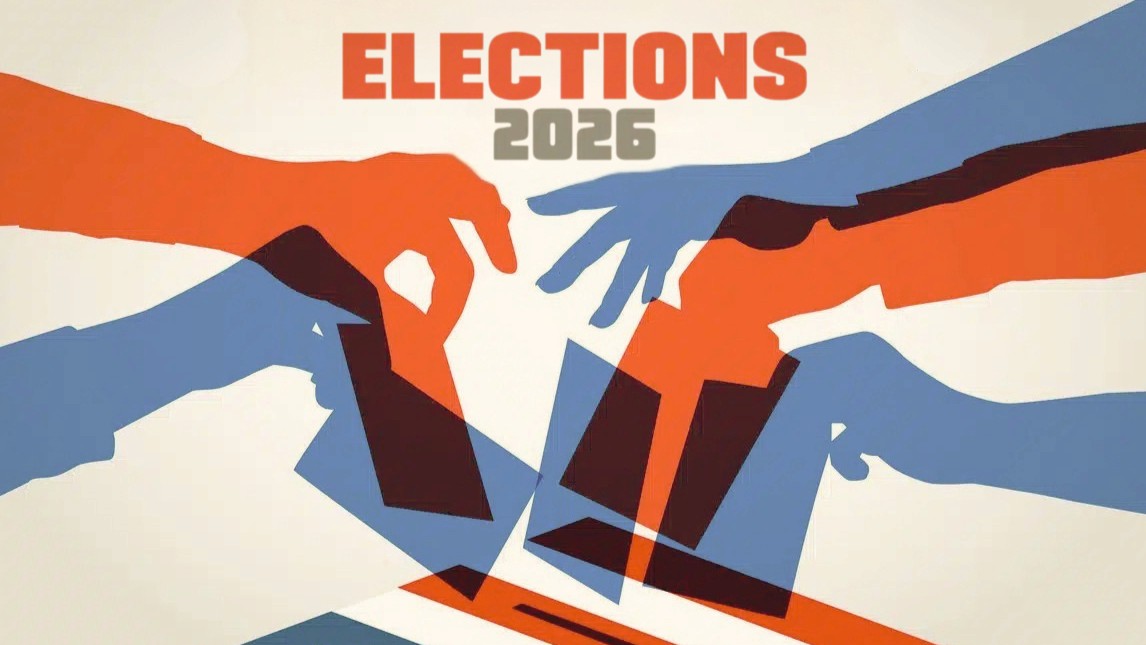
Between now and the November elections, the Democracy Project will be running a regular series of pieces on the range of concerns, challenges, and potential threats to the integrity of the 2026 election process, as well as the institutional and other mechanisms that do or do not exist to manage those challenges. Our aim is to become a go-to source where readers can find well-informed expert analyses about these issues that will occupy the attention of many Americans between now and the seating of a new Congress.
Our contributors include former and current election administrators from both political parties, former members of Congress, leaders of non-governmental organizations that are playing a major role in the 2026 election process, and academics with expertise in election-related issues. As in all the work we publish, we have sought out contributions that are grounded in academic research, professional experience, or historical and comparative insight. We have also sought a diversity of perspectives and viewpoints on the challenges confronting the 2026 election process.
In addition to these contributions, we will also publish more immediate takes from the three of us on specific issues as they arise.
Between now and the November elections, the Democracy Project will be running a regular series of pieces on the range of concerns, challenges, and potential threats to the integrity of the 2026 election process, as well as the institutional and other mechanisms that do or do not exist to manage those challenges. Our aim is to become a go-to source where readers can find well-informed expert analyses about these issues that will occupy the attention of many Americans between now and the seating of a new Congress.
Our contributors include former and current election administrators from both political parties, former members of Congress, leaders of non-governmental organizations that are playing a major role in the 2026 election process, and academics with expertise in election-related issues. As in all the work we publish, we have sought out contributions that are grounded in academic research, professional experience, or historical and comparative insight. We have also sought a diversity of perspectives and viewpoints on the challenges confronting the 2026 election process.
In addition to these contributions, we will also publish more immediate takes from the three of us on specific issues as they arise.
Between now and the November elections, the Democracy Project will be running a regular series of pieces on the range of concerns, challenges, and potential threats to the integrity of the 2026 election process, as well as the institutional and other mechanisms that do or do not exist to manage those challenges. Our aim is to become a go-to source where readers can find well-informed expert analyses about these issues that will occupy the attention of many Americans between now and the seating of a new Congress.
Our contributors include former and current election administrators from both political parties, former members of Congress, leaders of non-governmental organizations that are playing a major role in the 2026 election process, and academics with expertise in election-related issues. As in all the work we publish, we have sought out contributions that are grounded in academic research, professional experience, or historical and comparative insight. We have also sought a diversity of perspectives and viewpoints on the challenges confronting the 2026 election process.
In addition to these contributions, we will also publish more immediate takes from the three of us on specific issues as they arise.
Between now and the November elections, the Democracy Project will be running a regular series of pieces on the range of concerns, challenges, and potential threats to the integrity of the 2026 election process, as well as the institutional and other mechanisms that do or do not exist to manage those challenges. Our aim is to become a go-to source where readers can find well-informed expert analyses about these issues that will occupy the attention of many Americans between now and the seating of a new Congress.
Our contributors include former and current election administrators from both political parties, former members of Congress, leaders of non-governmental organizations that are playing a major role in the 2026 election process, and academics with expertise in election-related issues. As in all the work we publish, we have sought out contributions that are grounded in academic research, professional experience, or historical and comparative insight. We have also sought a diversity of perspectives and viewpoints on the challenges confronting the 2026 election process.
In addition to these contributions, we will also publish more immediate takes from the three of us on specific issues as they arise.
Between now and the November elections, the Democracy Project will be running a regular series of pieces on the range of concerns, challenges, and potential threats to the integrity of the 2026 election process, as well as the institutional and other mechanisms that do or do not exist to manage those challenges. Our aim is to become a go-to source where readers can find well-informed expert analyses about these issues that will occupy the attention of many Americans between now and the seating of a new Congress.
Our contributors include former and current election administrators from both political parties, former members of Congress, leaders of non-governmental organizations that are playing a major role in the 2026 election process, and academics with expertise in election-related issues. As in all the work we publish, we have sought out contributions that are grounded in academic research, professional experience, or historical and comparative insight. We have also sought a diversity of perspectives and viewpoints on the challenges confronting the 2026 election process.
In addition to these contributions, we will also publish more immediate takes from the three of us on specific issues as they arise.
Between now and the November elections, the Democracy Project will be running a regular series of pieces on the range of concerns, challenges, and potential threats to the integrity of the 2026 election process, as well as the institutional and other mechanisms that do or do not exist to manage those challenges. Our aim is to become a go-to source where readers can find well-informed expert analyses about these issues that will occupy the attention of many Americans between now and the seating of a new Congress.
Our contributors include former and current election administrators from both political parties, former members of Congress, leaders of non-governmental organizations that are playing a major role in the 2026 election process, and academics with expertise in election-related issues. As in all the work we publish, we have sought out contributions that are grounded in academic research, professional experience, or historical and comparative insight. We have also sought a diversity of perspectives and viewpoints on the challenges confronting the 2026 election process.
In addition to these contributions, we will also publish more immediate takes from the three of us on specific issues as they arise.
About the Author
Bob Bauer
Bauer is a founding Faculty Director of the Democracy Project, Professor of Practice, and Distinguished Scholar in Residence at NYU School of Law. He is a leading expert on executive power and author of “The Unraveling: Reflections on Politics without Ethics and Democracy in Crisis,” co-author of "After Trump: Reconstructing the Presidency," and co-founder of a Substack devoted to executive power issues, "Executive Functions." Bauer served as White House Counsel from 2009 to 2011.
About the Author
Bob Bauer
Bauer is a founding Faculty Director of the Democracy Project, Professor of Practice, and Distinguished Scholar in Residence at NYU School of Law. He is a leading expert on executive power and author of “The Unraveling: Reflections on Politics without Ethics and Democracy in Crisis,” co-author of "After Trump: Reconstructing the Presidency," and co-founder of a Substack devoted to executive power issues, "Executive Functions." Bauer served as White House Counsel from 2009 to 2011.
About the Author
Bob Bauer
Bauer is a founding Faculty Director of the Democracy Project, Professor of Practice, and Distinguished Scholar in Residence at NYU School of Law. He is a leading expert on executive power and author of “The Unraveling: Reflections on Politics without Ethics and Democracy in Crisis,” co-author of "After Trump: Reconstructing the Presidency," and co-founder of a Substack devoted to executive power issues, "Executive Functions." Bauer served as White House Counsel from 2009 to 2011.
About the Author
Samuel Issacharoff
Issacharoff is a founding Faculty Director of the Democracy Project and Reiss Professor of Constitutional Law at NYU School of Law. He is a leading expert on democracies and constitutions worldwide and author of “Fragile Democracies: Contested Power in the Era of Constitutional Courts” and “Democracy Unmoored: Populism and the Corruption of Popular Sovereignty.”
About the Author
Samuel Issacharoff
Issacharoff is a founding Faculty Director of the Democracy Project and Reiss Professor of Constitutional Law at NYU School of Law. He is a leading expert on democracies and constitutions worldwide and author of “Fragile Democracies: Contested Power in the Era of Constitutional Courts” and “Democracy Unmoored: Populism and the Corruption of Popular Sovereignty.”
About the Author
Samuel Issacharoff
Issacharoff is a founding Faculty Director of the Democracy Project and Reiss Professor of Constitutional Law at NYU School of Law. He is a leading expert on democracies and constitutions worldwide and author of “Fragile Democracies: Contested Power in the Era of Constitutional Courts” and “Democracy Unmoored: Populism and the Corruption of Popular Sovereignty.”
About the Author
Richard Pildes
Pildes is a founding Faculty Director of the Democracy Project and Sudler Family Professor of Constitutional Law at NYU School of Law. He is the nation’s most cited scholar on election law, a leading expert on American government and democratic governance worldwide, co-editor of Electoral Reform in the United States: Reforms for Combatting Polarization and Extremism (2025), and a member of President Biden’s Commission on the Supreme Court of the United States and the bipartisan ABA Task Force on American democracy.
About the Author
Richard Pildes
Pildes is a founding Faculty Director of the Democracy Project and Sudler Family Professor of Constitutional Law at NYU School of Law. He is the nation’s most cited scholar on election law, a leading expert on American government and democratic governance worldwide, co-editor of Electoral Reform in the United States: Reforms for Combatting Polarization and Extremism (2025), and a member of President Biden’s Commission on the Supreme Court of the United States and the bipartisan ABA Task Force on American democracy.
About the Author
Richard Pildes
Pildes is a founding Faculty Director of the Democracy Project and Sudler Family Professor of Constitutional Law at NYU School of Law. He is the nation’s most cited scholar on election law, a leading expert on American government and democratic governance worldwide, co-editor of Electoral Reform in the United States: Reforms for Combatting Polarization and Extremism (2025), and a member of President Biden’s Commission on the Supreme Court of the United States and the bipartisan ABA Task Force on American democracy.
More viewpoints in
Elections & Political Parties

Sep 9, 2026
It’s Too Late to Implement the USPS Ballot-Mailing Rule for This Election
William D. Rich
Elections & Political Parties
Sep 9, 2026
It’s Too Late to Implement the USPS Ballot-Mailing Rule for This Election
William D. Rich
Elections & Political Parties
Sep 9, 2026
It’s Too Late to Implement the USPS Ballot-Mailing Rule for This Election
William D. Rich
Elections & Political Parties
Sep 8, 2026
Elections 2026
Elections & Political Parties
Sep 8, 2026
Elections 2026
Elections & Political Parties
Sep 8, 2026
Elections 2026
Elections & Political Parties
Sep 8, 2026
Introducing the Democracy Project’s Elections 2026 Series
Faculty Directors
Elections & Political Parties
Sep 8, 2026
Introducing the Democracy Project’s Elections 2026 Series
Faculty Directors
Elections & Political Parties
Sep 8, 2026
Introducing the Democracy Project’s Elections 2026 Series
Faculty Directors
Elections & Political Parties