Jan 15, 2026
Democracy Is a Team Sport
Hans Noel
Jan 15, 2026
Democracy Is a Team Sport
Hans Noel
Jan 15, 2026
Democracy Is a Team Sport
Hans Noel
Jan 15, 2026
Democracy Is a Team Sport
Hans Noel
Jan 15, 2026
Democracy Is a Team Sport
Hans Noel
Jan 15, 2026
Democracy Is a Team Sport
Hans Noel
We need to embrace the central role that political parties play in a well-functioning representative democracy.
One can imagine democracy without parties. Voters select officials in an election. Those officials go on to govern. Repeat. But this is a very sterile view of democracy. It includes no way to organize the many conflicting demands we have for an effective republic.
We want officials to champion the interests of voters but also engage fairly with those championing the interests of other voters. We want compromise, but we also want principles. We want leadership, but we also want those leaders to listen to their voters. And we want all of this to be constrained by constitutionally protected rights and the rule of law.
The way to square all of those circles is with healthy political parties.
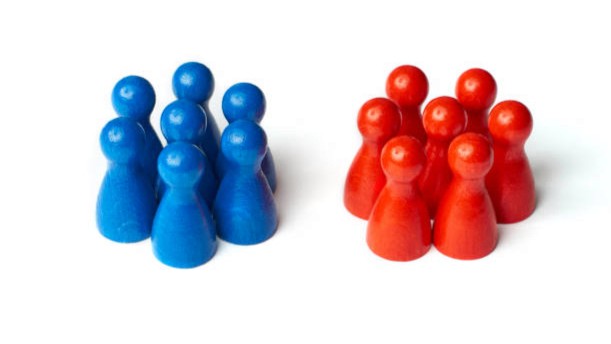
Democratic politics creates a field on which conflicting views are not just discussed and debated but also chosen and implemented. Conflicts are waged and resolved peacefully, according to agreed-upon rules and norms. It is more sport than war.
Political parties are the teams in that sport.
Winning in politics generally requires numbers, but also effort to marshal those numbers at the right time and to the right end. To pass legislation, the team needs to shepherd its bill through two chambers and on to a president who will accept it. They revise the bill to accommodate the demands of hold outs. The result is a compromise within the party, across the aisle, or both. Parties are similarly central in nearly every other aspect of government. Parties are the through-line that links the yearnings of voters to the realization of policy.
This reality is too often neglected when we think about elections. In the sterile view of democracy, a voter might want to choose a candidate whose ideological or policy beliefs are closest to their own. But elected officials, even chief executives, do not mechanically implement their preferences. The voter needs to know not just what the official wants, but what team they are on.
The need for political parties does not mean that American parties today are meeting the moment. They are not.
The Democratic and Republican parties deserve a lot of the blame. They have done a poor job of building connections to voters, sometimes merely serving the re-election ambitions of candidates. But they do not bear all the responsibility for their shortcomings. American political culture is and has been unhelpfully skeptical of political parties since the founding, and our political institutions often work against them.
There are things we can do to encourage political parties to do a better job. Here are two:
1. We should acknowledge that a nomination is the internal business of a political party. That is where the party hashes out its internal disagreements, possibly with the participation of partisan voters who care about the direction of their party.
That means calls for non-partisan primaries or open primaries are misguided. They would strip away from the party its ability to shape itself and connect voters to the compromises it will make in government.
It also means we should be more comfortable with the informal role that the “party establishment” plays in choosing presidential nominees. The long-standing members of a healthy party should be very involved in the selection of that party’s leader.
I would even go so far as to suggest that when there is significant division within the party, the presidential nominations should be made by party delegates negotiating with one another at the party conventions, rather than in a sequence of low-turnout primaries in a handful of states in the winter and early spring. Such a process would protect a party from being hijacked by a candidate who does not share its values.
2. We should choose campaign finance laws that empower political parties. The American campaign finance regime has many flaws. The law has prioritized protecting free speech over concerns about political equality, leaving independent spending relatively unchecked. The one area that regulations have had teeth is in limiting donations to political parties for party-building activities.
This allows ideological money to drive polarization in primaries. In states where campaign finance laws favor parties, those parties are able to rein in their extremists.
Political parties, when they do their jobs well, can guard against many of the ills of modern politics. More importantly, they may be the only actors that really could. Efforts to rebuild our fragile democracy require empowering them to achieve that promise.
We need to embrace the central role that political parties play in a well-functioning representative democracy.
One can imagine democracy without parties. Voters select officials in an election. Those officials go on to govern. Repeat. But this is a very sterile view of democracy. It includes no way to organize the many conflicting demands we have for an effective republic.
We want officials to champion the interests of voters but also engage fairly with those championing the interests of other voters. We want compromise, but we also want principles. We want leadership, but we also want those leaders to listen to their voters. And we want all of this to be constrained by constitutionally protected rights and the rule of law.
The way to square all of those circles is with healthy political parties.
Democratic politics creates a field on which conflicting views are not just discussed and debated but also chosen and implemented. Conflicts are waged and resolved peacefully, according to agreed-upon rules and norms. It is more sport than war.
Political parties are the teams in that sport.
Winning in politics generally requires numbers, but also effort to marshal those numbers at the right time and to the right end. To pass legislation, the team needs to shepherd its bill through two chambers and on to a president who will accept it. They revise the bill to accommodate the demands of hold outs. The result is a compromise within the party, across the aisle, or both. Parties are similarly central in nearly every other aspect of government. Parties are the through-line that links the yearnings of voters to the realization of policy.
This reality is too often neglected when we think about elections. In the sterile view of democracy, a voter might want to choose a candidate whose ideological or policy beliefs are closest to their own. But elected officials, even chief executives, do not mechanically implement their preferences. The voter needs to know not just what the official wants, but what team they are on.
The need for political parties does not mean that American parties today are meeting the moment. They are not.
The Democratic and Republican parties deserve a lot of the blame. They have done a poor job of building connections to voters, sometimes merely serving the re-election ambitions of candidates. But they do not bear all the responsibility for their shortcomings. American political culture is and has been unhelpfully skeptical of political parties since the founding, and our political institutions often work against them.
There are things we can do to encourage political parties to do a better job. Here are two:
1. We should acknowledge that a nomination is the internal business of a political party. That is where the party hashes out its internal disagreements, possibly with the participation of partisan voters who care about the direction of their party.
That means calls for non-partisan primaries or open primaries are misguided. They would strip away from the party its ability to shape itself and connect voters to the compromises it will make in government.
It also means we should be more comfortable with the informal role that the “party establishment” plays in choosing presidential nominees. The long-standing members of a healthy party should be very involved in the selection of that party’s leader.
I would even go so far as to suggest that when there is significant division within the party, the presidential nominations should be made by party delegates negotiating with one another at the party conventions, rather than in a sequence of low-turnout primaries in a handful of states in the winter and early spring. Such a process would protect a party from being hijacked by a candidate who does not share its values.
2. We should choose campaign finance laws that empower political parties. The American campaign finance regime has many flaws. The law has prioritized protecting free speech over concerns about political equality, leaving independent spending relatively unchecked. The one area that regulations have had teeth is in limiting donations to political parties for party-building activities.
This allows ideological money to drive polarization in primaries. In states where campaign finance laws favor parties, those parties are able to rein in their extremists.
Political parties, when they do their jobs well, can guard against many of the ills of modern politics. More importantly, they may be the only actors that really could. Efforts to rebuild our fragile democracy require empowering them to achieve that promise.
We need to embrace the central role that political parties play in a well-functioning representative democracy.
One can imagine democracy without parties. Voters select officials in an election. Those officials go on to govern. Repeat. But this is a very sterile view of democracy. It includes no way to organize the many conflicting demands we have for an effective republic.
We want officials to champion the interests of voters but also engage fairly with those championing the interests of other voters. We want compromise, but we also want principles. We want leadership, but we also want those leaders to listen to their voters. And we want all of this to be constrained by constitutionally protected rights and the rule of law.
The way to square all of those circles is with healthy political parties.
Democratic politics creates a field on which conflicting views are not just discussed and debated but also chosen and implemented. Conflicts are waged and resolved peacefully, according to agreed-upon rules and norms. It is more sport than war.
Political parties are the teams in that sport.
Winning in politics generally requires numbers, but also effort to marshal those numbers at the right time and to the right end. To pass legislation, the team needs to shepherd its bill through two chambers and on to a president who will accept it. They revise the bill to accommodate the demands of hold outs. The result is a compromise within the party, across the aisle, or both. Parties are similarly central in nearly every other aspect of government. Parties are the through-line that links the yearnings of voters to the realization of policy.
This reality is too often neglected when we think about elections. In the sterile view of democracy, a voter might want to choose a candidate whose ideological or policy beliefs are closest to their own. But elected officials, even chief executives, do not mechanically implement their preferences. The voter needs to know not just what the official wants, but what team they are on.
The need for political parties does not mean that American parties today are meeting the moment. They are not.
The Democratic and Republican parties deserve a lot of the blame. They have done a poor job of building connections to voters, sometimes merely serving the re-election ambitions of candidates. But they do not bear all the responsibility for their shortcomings. American political culture is and has been unhelpfully skeptical of political parties since the founding, and our political institutions often work against them.
There are things we can do to encourage political parties to do a better job. Here are two:
1. We should acknowledge that a nomination is the internal business of a political party. That is where the party hashes out its internal disagreements, possibly with the participation of partisan voters who care about the direction of their party.
That means calls for non-partisan primaries or open primaries are misguided. They would strip away from the party its ability to shape itself and connect voters to the compromises it will make in government.
It also means we should be more comfortable with the informal role that the “party establishment” plays in choosing presidential nominees. The long-standing members of a healthy party should be very involved in the selection of that party’s leader.
I would even go so far as to suggest that when there is significant division within the party, the presidential nominations should be made by party delegates negotiating with one another at the party conventions, rather than in a sequence of low-turnout primaries in a handful of states in the winter and early spring. Such a process would protect a party from being hijacked by a candidate who does not share its values.
2. We should choose campaign finance laws that empower political parties. The American campaign finance regime has many flaws. The law has prioritized protecting free speech over concerns about political equality, leaving independent spending relatively unchecked. The one area that regulations have had teeth is in limiting donations to political parties for party-building activities.
This allows ideological money to drive polarization in primaries. In states where campaign finance laws favor parties, those parties are able to rein in their extremists.
Political parties, when they do their jobs well, can guard against many of the ills of modern politics. More importantly, they may be the only actors that really could. Efforts to rebuild our fragile democracy require empowering them to achieve that promise.
We need to embrace the central role that political parties play in a well-functioning representative democracy.
One can imagine democracy without parties. Voters select officials in an election. Those officials go on to govern. Repeat. But this is a very sterile view of democracy. It includes no way to organize the many conflicting demands we have for an effective republic.
We want officials to champion the interests of voters but also engage fairly with those championing the interests of other voters. We want compromise, but we also want principles. We want leadership, but we also want those leaders to listen to their voters. And we want all of this to be constrained by constitutionally protected rights and the rule of law.
The way to square all of those circles is with healthy political parties.
Democratic politics creates a field on which conflicting views are not just discussed and debated but also chosen and implemented. Conflicts are waged and resolved peacefully, according to agreed-upon rules and norms. It is more sport than war.
Political parties are the teams in that sport.
Winning in politics generally requires numbers, but also effort to marshal those numbers at the right time and to the right end. To pass legislation, the team needs to shepherd its bill through two chambers and on to a president who will accept it. They revise the bill to accommodate the demands of hold outs. The result is a compromise within the party, across the aisle, or both. Parties are similarly central in nearly every other aspect of government. Parties are the through-line that links the yearnings of voters to the realization of policy.
This reality is too often neglected when we think about elections. In the sterile view of democracy, a voter might want to choose a candidate whose ideological or policy beliefs are closest to their own. But elected officials, even chief executives, do not mechanically implement their preferences. The voter needs to know not just what the official wants, but what team they are on.
The need for political parties does not mean that American parties today are meeting the moment. They are not.
The Democratic and Republican parties deserve a lot of the blame. They have done a poor job of building connections to voters, sometimes merely serving the re-election ambitions of candidates. But they do not bear all the responsibility for their shortcomings. American political culture is and has been unhelpfully skeptical of political parties since the founding, and our political institutions often work against them.
There are things we can do to encourage political parties to do a better job. Here are two:
1. We should acknowledge that a nomination is the internal business of a political party. That is where the party hashes out its internal disagreements, possibly with the participation of partisan voters who care about the direction of their party.
That means calls for non-partisan primaries or open primaries are misguided. They would strip away from the party its ability to shape itself and connect voters to the compromises it will make in government.
It also means we should be more comfortable with the informal role that the “party establishment” plays in choosing presidential nominees. The long-standing members of a healthy party should be very involved in the selection of that party’s leader.
I would even go so far as to suggest that when there is significant division within the party, the presidential nominations should be made by party delegates negotiating with one another at the party conventions, rather than in a sequence of low-turnout primaries in a handful of states in the winter and early spring. Such a process would protect a party from being hijacked by a candidate who does not share its values.
2. We should choose campaign finance laws that empower political parties. The American campaign finance regime has many flaws. The law has prioritized protecting free speech over concerns about political equality, leaving independent spending relatively unchecked. The one area that regulations have had teeth is in limiting donations to political parties for party-building activities.
This allows ideological money to drive polarization in primaries. In states where campaign finance laws favor parties, those parties are able to rein in their extremists.
Political parties, when they do their jobs well, can guard against many of the ills of modern politics. More importantly, they may be the only actors that really could. Efforts to rebuild our fragile democracy require empowering them to achieve that promise.
We need to embrace the central role that political parties play in a well-functioning representative democracy.
One can imagine democracy without parties. Voters select officials in an election. Those officials go on to govern. Repeat. But this is a very sterile view of democracy. It includes no way to organize the many conflicting demands we have for an effective republic.
We want officials to champion the interests of voters but also engage fairly with those championing the interests of other voters. We want compromise, but we also want principles. We want leadership, but we also want those leaders to listen to their voters. And we want all of this to be constrained by constitutionally protected rights and the rule of law.
The way to square all of those circles is with healthy political parties.
Democratic politics creates a field on which conflicting views are not just discussed and debated but also chosen and implemented. Conflicts are waged and resolved peacefully, according to agreed-upon rules and norms. It is more sport than war.
Political parties are the teams in that sport.
Winning in politics generally requires numbers, but also effort to marshal those numbers at the right time and to the right end. To pass legislation, the team needs to shepherd its bill through two chambers and on to a president who will accept it. They revise the bill to accommodate the demands of hold outs. The result is a compromise within the party, across the aisle, or both. Parties are similarly central in nearly every other aspect of government. Parties are the through-line that links the yearnings of voters to the realization of policy.
This reality is too often neglected when we think about elections. In the sterile view of democracy, a voter might want to choose a candidate whose ideological or policy beliefs are closest to their own. But elected officials, even chief executives, do not mechanically implement their preferences. The voter needs to know not just what the official wants, but what team they are on.
The need for political parties does not mean that American parties today are meeting the moment. They are not.
The Democratic and Republican parties deserve a lot of the blame. They have done a poor job of building connections to voters, sometimes merely serving the re-election ambitions of candidates. But they do not bear all the responsibility for their shortcomings. American political culture is and has been unhelpfully skeptical of political parties since the founding, and our political institutions often work against them.
There are things we can do to encourage political parties to do a better job. Here are two:
1. We should acknowledge that a nomination is the internal business of a political party. That is where the party hashes out its internal disagreements, possibly with the participation of partisan voters who care about the direction of their party.
That means calls for non-partisan primaries or open primaries are misguided. They would strip away from the party its ability to shape itself and connect voters to the compromises it will make in government.
It also means we should be more comfortable with the informal role that the “party establishment” plays in choosing presidential nominees. The long-standing members of a healthy party should be very involved in the selection of that party’s leader.
I would even go so far as to suggest that when there is significant division within the party, the presidential nominations should be made by party delegates negotiating with one another at the party conventions, rather than in a sequence of low-turnout primaries in a handful of states in the winter and early spring. Such a process would protect a party from being hijacked by a candidate who does not share its values.
2. We should choose campaign finance laws that empower political parties. The American campaign finance regime has many flaws. The law has prioritized protecting free speech over concerns about political equality, leaving independent spending relatively unchecked. The one area that regulations have had teeth is in limiting donations to political parties for party-building activities.
This allows ideological money to drive polarization in primaries. In states where campaign finance laws favor parties, those parties are able to rein in their extremists.
Political parties, when they do their jobs well, can guard against many of the ills of modern politics. More importantly, they may be the only actors that really could. Efforts to rebuild our fragile democracy require empowering them to achieve that promise.
We need to embrace the central role that political parties play in a well-functioning representative democracy.
One can imagine democracy without parties. Voters select officials in an election. Those officials go on to govern. Repeat. But this is a very sterile view of democracy. It includes no way to organize the many conflicting demands we have for an effective republic.
We want officials to champion the interests of voters but also engage fairly with those championing the interests of other voters. We want compromise, but we also want principles. We want leadership, but we also want those leaders to listen to their voters. And we want all of this to be constrained by constitutionally protected rights and the rule of law.
The way to square all of those circles is with healthy political parties.
Democratic politics creates a field on which conflicting views are not just discussed and debated but also chosen and implemented. Conflicts are waged and resolved peacefully, according to agreed-upon rules and norms. It is more sport than war.
Political parties are the teams in that sport.
Winning in politics generally requires numbers, but also effort to marshal those numbers at the right time and to the right end. To pass legislation, the team needs to shepherd its bill through two chambers and on to a president who will accept it. They revise the bill to accommodate the demands of hold outs. The result is a compromise within the party, across the aisle, or both. Parties are similarly central in nearly every other aspect of government. Parties are the through-line that links the yearnings of voters to the realization of policy.
This reality is too often neglected when we think about elections. In the sterile view of democracy, a voter might want to choose a candidate whose ideological or policy beliefs are closest to their own. But elected officials, even chief executives, do not mechanically implement their preferences. The voter needs to know not just what the official wants, but what team they are on.
The need for political parties does not mean that American parties today are meeting the moment. They are not.
The Democratic and Republican parties deserve a lot of the blame. They have done a poor job of building connections to voters, sometimes merely serving the re-election ambitions of candidates. But they do not bear all the responsibility for their shortcomings. American political culture is and has been unhelpfully skeptical of political parties since the founding, and our political institutions often work against them.
There are things we can do to encourage political parties to do a better job. Here are two:
1. We should acknowledge that a nomination is the internal business of a political party. That is where the party hashes out its internal disagreements, possibly with the participation of partisan voters who care about the direction of their party.
That means calls for non-partisan primaries or open primaries are misguided. They would strip away from the party its ability to shape itself and connect voters to the compromises it will make in government.
It also means we should be more comfortable with the informal role that the “party establishment” plays in choosing presidential nominees. The long-standing members of a healthy party should be very involved in the selection of that party’s leader.
I would even go so far as to suggest that when there is significant division within the party, the presidential nominations should be made by party delegates negotiating with one another at the party conventions, rather than in a sequence of low-turnout primaries in a handful of states in the winter and early spring. Such a process would protect a party from being hijacked by a candidate who does not share its values.
2. We should choose campaign finance laws that empower political parties. The American campaign finance regime has many flaws. The law has prioritized protecting free speech over concerns about political equality, leaving independent spending relatively unchecked. The one area that regulations have had teeth is in limiting donations to political parties for party-building activities.
This allows ideological money to drive polarization in primaries. In states where campaign finance laws favor parties, those parties are able to rein in their extremists.
Political parties, when they do their jobs well, can guard against many of the ills of modern politics. More importantly, they may be the only actors that really could. Efforts to rebuild our fragile democracy require empowering them to achieve that promise.
About the Author
Hans Noel
Hans Noel is a professor at Georgetown University's Department of Government. His research is on political coalitions, political parties and ideology, with a focus on the United States. He is the author of "Political Ideologies and Political Parties in America," and a co-author of "The Party Decides: Presidential Nominations Before and After Reform." He is interested in the implications for understanding parties through focusing on how their policy demands relate to coalition building and coordination.
About the Author
Hans Noel
Hans Noel is a professor at Georgetown University's Department of Government. His research is on political coalitions, political parties and ideology, with a focus on the United States. He is the author of "Political Ideologies and Political Parties in America," and a co-author of "The Party Decides: Presidential Nominations Before and After Reform." He is interested in the implications for understanding parties through focusing on how their policy demands relate to coalition building and coordination.
About the Author
Hans Noel
Hans Noel is a professor at Georgetown University's Department of Government. His research is on political coalitions, political parties and ideology, with a focus on the United States. He is the author of "Political Ideologies and Political Parties in America," and a co-author of "The Party Decides: Presidential Nominations Before and After Reform." He is interested in the implications for understanding parties through focusing on how their policy demands relate to coalition building and coordination.
More viewpoints in
Elections & Political Parties

Oct 9, 2026
What Is a Patriotic American to Do in This Chaotic, but Historically Consequential Election? Voting Isn’t Optional and It Isn’t Enough.
Roberta Cooper Ramo
Elections & Political Parties
Oct 9, 2026
What Is a Patriotic American to Do in This Chaotic, but Historically Consequential Election? Voting Isn’t Optional and It Isn’t Enough.
Roberta Cooper Ramo
Elections & Political Parties
Oct 9, 2026
What Is a Patriotic American to Do in This Chaotic, but Historically Consequential Election? Voting Isn’t Optional and It Isn’t Enough.
Roberta Cooper Ramo
Elections & Political Parties

Oct 8, 2026
Small Donors Aren’t the Democratic Cure We Imagined
Raymond J. La Raja
Elections & Political Parties
Oct 8, 2026
Small Donors Aren’t the Democratic Cure We Imagined
Raymond J. La Raja
Elections & Political Parties
Oct 8, 2026
Small Donors Aren’t the Democratic Cure We Imagined
Raymond J. La Raja
Elections & Political Parties

Oct 7, 2026
The Politics of AI: A Campaign Finance Reform Proposal
Bob Bauer
Elections & Political Parties
Oct 7, 2026
The Politics of AI: A Campaign Finance Reform Proposal
Bob Bauer
Elections & Political Parties
Oct 7, 2026
The Politics of AI: A Campaign Finance Reform Proposal
Bob Bauer
Elections & Political Parties
More viewpoints in
Elections & Political Parties
Oct 9, 2026
What Is a Patriotic American to Do in This Chaotic, but Historically Consequential Election? Voting Isn’t Optional and It Isn’t Enough.
Roberta Cooper Ramo
Elections & Political Parties
Oct 8, 2026
Small Donors Aren’t the Democratic Cure We Imagined
Raymond J. La Raja
Elections & Political Parties
Oct 7, 2026
The Politics of AI: A Campaign Finance Reform Proposal
Bob Bauer
Elections & Political Parties
More viewpoints in
Elections & Political Parties
Oct 9, 2026
What Is a Patriotic American to Do in This Chaotic, but Historically Consequential Election? Voting Isn’t Optional and It Isn’t Enough.
Roberta Cooper Ramo
Elections & Political Parties
Oct 8, 2026
Small Donors Aren’t the Democratic Cure We Imagined
Raymond J. La Raja
Elections & Political Parties
Oct 7, 2026
The Politics of AI: A Campaign Finance Reform Proposal
Bob Bauer
Elections & Political Parties
More viewpoints in
Elections & Political Parties
Oct 9, 2026
What Is a Patriotic American to Do in This Chaotic, but Historically Consequential Election? Voting Isn’t Optional and It Isn’t Enough.
Roberta Cooper Ramo
Elections & Political Parties
Oct 8, 2026
Small Donors Aren’t the Democratic Cure We Imagined
Raymond J. La Raja
Elections & Political Parties
Oct 7, 2026
The Politics of AI: A Campaign Finance Reform Proposal
Bob Bauer
Elections & Political Parties