Jan 22, 2026
Extreme Wealth Inequality Destroys Constitutions
Jake Grumbach
Jan 22, 2026
Extreme Wealth Inequality Destroys Constitutions
Jake Grumbach
Jan 22, 2026
Extreme Wealth Inequality Destroys Constitutions
Jake Grumbach
Jan 22, 2026
Extreme Wealth Inequality Destroys Constitutions
Jake Grumbach
Jan 22, 2026
Extreme Wealth Inequality Destroys Constitutions
Jake Grumbach
Jan 22, 2026
Extreme Wealth Inequality Destroys Constitutions
Jake Grumbach
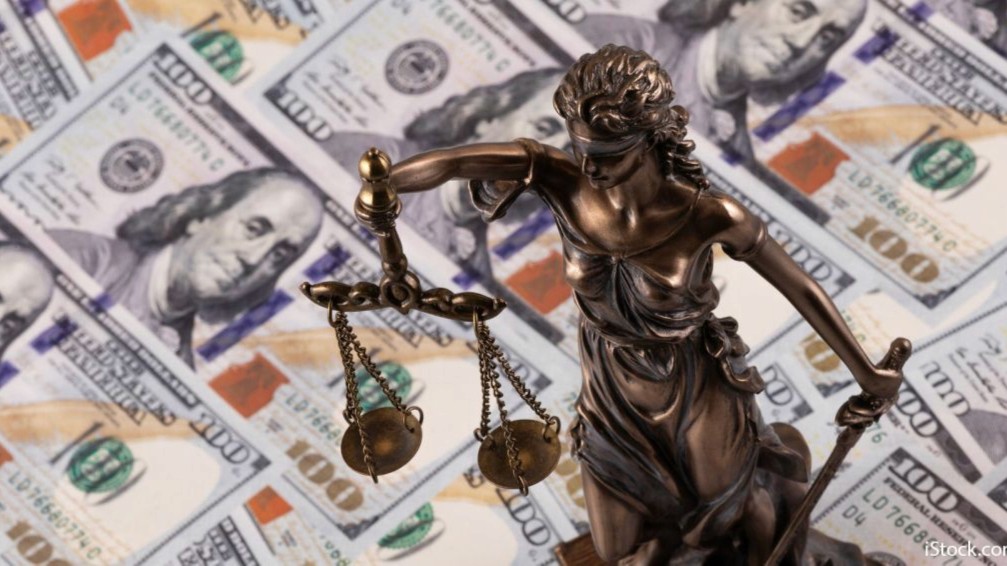
“[F]or where some possess much, and the others nothing, there may arise an extreme democracy, or a pure oligarchy; or a tyranny may grow out of either extreme.” It seems that American society has forgotten this wisdom of Aristotle over two thousand years ago: extreme wealth inequality destroys constitutions. It’s time we remembered.
Aristotle was concerned with the extremes of both oligarchy and democracy. The Framers were well aware of Aristotle’s concern as they designed the U.S. Constitution, which would feature democratic elections as well as strong protections for civil liberties, checks and balances, and (probably too heavily weighted) legislative representation for geographic minorities.
But Aristotle could not have anticipated the particular level of top-heavy wealth inequality in 21st century America. It is not the kind of inequality easily captured in a Gini coefficient or in comparisons between the 1% and 99%. American wealth inequality is characterized by the very, very top of the distribution. The top 12 billionaires in the United States, most of them in the tech sector, hold a combined wealth of over $2 trillion. The pace of wealth accumulation at the top is only increasing. Elon Musk, the wealthiest individual in human history and likely to be the first trillionaire, doubled his net worth in just the calendar year of 2024.
It is this wealth inequality, combined with a particular technological moment, that has dismantled electoral democracy and the rule of law.
Extreme wealth inequality has destroyed the U.S. Constitution in three ways. The first is campaign finance. Surveys consistently show over 4 in 5 Americans see large campaign donors as a major problem that has eroded their trust in institutions. Scholars, who in earlier periods saw evidence of quid pro quo corruption, now see a campaign finance system in which the top 100 individual donors contributed over half of all Republican money in the last election cycle—and got much in return. The DOGE initiative, which legal scholars argue is a violation of the Appointments Clause as well as Article I of the Constitution, is a clear quo for Elon Musk’s self-admitted quid of swinging the 2024 election with his more than $290 million in campaign spending.
But campaign finance is only one small piece of money in politics. The second way concentrated wealth has dismantled the Constitution is through other direct forms of bribery, and the way that extreme wealth insulates bribers from legal sanction. In recent years, billionaires have ostentatiously showered Supreme Court justices with lavish gifts. In exchange for campaign contributions and financial transfers to the Trump family via cryptocurrency purchases, wealthy individuals have received relief from SEC investigations or even pardons.
Third, concentrated wealth has produced consolidated media and social media ownership, with owners using these firms for partisan rather than profit- or free speech-based ends. The largest social media firms—Facebook (which owns Instagram), Twitter, and TikTok US—are currently or soon to be controlled by Trump-aligned billionaires. The owners of these firms have deep influence over the content that appears on these platforms. Concentrated ownership of traditional media has also left newspapers and TV vulnerable to threats from the federal government for criticizing the regime.
The current technological moment amplifies the threat of concentrated wealth. Top billionaires now derive their wealth not from manufacturing, finance, or even retail (with the Walton family being the wealthiest outside of the tech sector) but from social media, software, and cloud computing. Often dependent on government contracts and controlling intellectual property rather than physical assets, technology firms are extremely vulnerable to authoritarian governance through the threat of politically motivated regulation, licensing, and antitrust enforcement.
The policy solutions to extreme wealth inequality are well-known, but have historically been rejected by conservatives as economically inefficient. In economic terms, conservatives believe policies such as antitrust enforcement, sectoral bargaining in labor markets, and especially wealth taxation have negative externalities. But we now see that the absence of these policies has generated the greatest negative externality of all: the end of democracy and the rule of law in America.
Aristotle could neither anticipate the extent of today’s oligarchic wealth nor the rise of the tech industry, but his prediction about the fate of constitutions under extreme wealth inequality has been borne out.
“[F]or where some possess much, and the others nothing, there may arise an extreme democracy, or a pure oligarchy; or a tyranny may grow out of either extreme.” It seems that American society has forgotten this wisdom of Aristotle over two thousand years ago: extreme wealth inequality destroys constitutions. It’s time we remembered.
Aristotle was concerned with the extremes of both oligarchy and democracy. The Framers were well aware of Aristotle’s concern as they designed the U.S. Constitution, which would feature democratic elections as well as strong protections for civil liberties, checks and balances, and (probably too heavily weighted) legislative representation for geographic minorities.
But Aristotle could not have anticipated the particular level of top-heavy wealth inequality in 21st century America. It is not the kind of inequality easily captured in a Gini coefficient or in comparisons between the 1% and 99%. American wealth inequality is characterized by the very, very top of the distribution. The top 12 billionaires in the United States, most of them in the tech sector, hold a combined wealth of over $2 trillion. The pace of wealth accumulation at the top is only increasing. Elon Musk, the wealthiest individual in human history and likely to be the first trillionaire, doubled his net worth in just the calendar year of 2024.
It is this wealth inequality, combined with a particular technological moment, that has dismantled electoral democracy and the rule of law.
Extreme wealth inequality has destroyed the U.S. Constitution in three ways. The first is campaign finance. Surveys consistently show over 4 in 5 Americans see large campaign donors as a major problem that has eroded their trust in institutions. Scholars, who in earlier periods saw evidence of quid pro quo corruption, now see a campaign finance system in which the top 100 individual donors contributed over half of all Republican money in the last election cycle—and got much in return. The DOGE initiative, which legal scholars argue is a violation of the Appointments Clause as well as Article I of the Constitution, is a clear quo for Elon Musk’s self-admitted quid of swinging the 2024 election with his more than $290 million in campaign spending.
But campaign finance is only one small piece of money in politics. The second way concentrated wealth has dismantled the Constitution is through other direct forms of bribery, and the way that extreme wealth insulates bribers from legal sanction. In recent years, billionaires have ostentatiously showered Supreme Court justices with lavish gifts. In exchange for campaign contributions and financial transfers to the Trump family via cryptocurrency purchases, wealthy individuals have received relief from SEC investigations or even pardons.
Third, concentrated wealth has produced consolidated media and social media ownership, with owners using these firms for partisan rather than profit- or free speech-based ends. The largest social media firms—Facebook (which owns Instagram), Twitter, and TikTok US—are currently or soon to be controlled by Trump-aligned billionaires. The owners of these firms have deep influence over the content that appears on these platforms. Concentrated ownership of traditional media has also left newspapers and TV vulnerable to threats from the federal government for criticizing the regime.
The current technological moment amplifies the threat of concentrated wealth. Top billionaires now derive their wealth not from manufacturing, finance, or even retail (with the Walton family being the wealthiest outside of the tech sector) but from social media, software, and cloud computing. Often dependent on government contracts and controlling intellectual property rather than physical assets, technology firms are extremely vulnerable to authoritarian governance through the threat of politically motivated regulation, licensing, and antitrust enforcement.
The policy solutions to extreme wealth inequality are well-known, but have historically been rejected by conservatives as economically inefficient. In economic terms, conservatives believe policies such as antitrust enforcement, sectoral bargaining in labor markets, and especially wealth taxation have negative externalities. But we now see that the absence of these policies has generated the greatest negative externality of all: the end of democracy and the rule of law in America.
Aristotle could neither anticipate the extent of today’s oligarchic wealth nor the rise of the tech industry, but his prediction about the fate of constitutions under extreme wealth inequality has been borne out.
“[F]or where some possess much, and the others nothing, there may arise an extreme democracy, or a pure oligarchy; or a tyranny may grow out of either extreme.” It seems that American society has forgotten this wisdom of Aristotle over two thousand years ago: extreme wealth inequality destroys constitutions. It’s time we remembered.
Aristotle was concerned with the extremes of both oligarchy and democracy. The Framers were well aware of Aristotle’s concern as they designed the U.S. Constitution, which would feature democratic elections as well as strong protections for civil liberties, checks and balances, and (probably too heavily weighted) legislative representation for geographic minorities.
But Aristotle could not have anticipated the particular level of top-heavy wealth inequality in 21st century America. It is not the kind of inequality easily captured in a Gini coefficient or in comparisons between the 1% and 99%. American wealth inequality is characterized by the very, very top of the distribution. The top 12 billionaires in the United States, most of them in the tech sector, hold a combined wealth of over $2 trillion. The pace of wealth accumulation at the top is only increasing. Elon Musk, the wealthiest individual in human history and likely to be the first trillionaire, doubled his net worth in just the calendar year of 2024.
It is this wealth inequality, combined with a particular technological moment, that has dismantled electoral democracy and the rule of law.
Extreme wealth inequality has destroyed the U.S. Constitution in three ways. The first is campaign finance. Surveys consistently show over 4 in 5 Americans see large campaign donors as a major problem that has eroded their trust in institutions. Scholars, who in earlier periods saw evidence of quid pro quo corruption, now see a campaign finance system in which the top 100 individual donors contributed over half of all Republican money in the last election cycle—and got much in return. The DOGE initiative, which legal scholars argue is a violation of the Appointments Clause as well as Article I of the Constitution, is a clear quo for Elon Musk’s self-admitted quid of swinging the 2024 election with his more than $290 million in campaign spending.
But campaign finance is only one small piece of money in politics. The second way concentrated wealth has dismantled the Constitution is through other direct forms of bribery, and the way that extreme wealth insulates bribers from legal sanction. In recent years, billionaires have ostentatiously showered Supreme Court justices with lavish gifts. In exchange for campaign contributions and financial transfers to the Trump family via cryptocurrency purchases, wealthy individuals have received relief from SEC investigations or even pardons.
Third, concentrated wealth has produced consolidated media and social media ownership, with owners using these firms for partisan rather than profit- or free speech-based ends. The largest social media firms—Facebook (which owns Instagram), Twitter, and TikTok US—are currently or soon to be controlled by Trump-aligned billionaires. The owners of these firms have deep influence over the content that appears on these platforms. Concentrated ownership of traditional media has also left newspapers and TV vulnerable to threats from the federal government for criticizing the regime.
The current technological moment amplifies the threat of concentrated wealth. Top billionaires now derive their wealth not from manufacturing, finance, or even retail (with the Walton family being the wealthiest outside of the tech sector) but from social media, software, and cloud computing. Often dependent on government contracts and controlling intellectual property rather than physical assets, technology firms are extremely vulnerable to authoritarian governance through the threat of politically motivated regulation, licensing, and antitrust enforcement.
The policy solutions to extreme wealth inequality are well-known, but have historically been rejected by conservatives as economically inefficient. In economic terms, conservatives believe policies such as antitrust enforcement, sectoral bargaining in labor markets, and especially wealth taxation have negative externalities. But we now see that the absence of these policies has generated the greatest negative externality of all: the end of democracy and the rule of law in America.
Aristotle could neither anticipate the extent of today’s oligarchic wealth nor the rise of the tech industry, but his prediction about the fate of constitutions under extreme wealth inequality has been borne out.
“[F]or where some possess much, and the others nothing, there may arise an extreme democracy, or a pure oligarchy; or a tyranny may grow out of either extreme.” It seems that American society has forgotten this wisdom of Aristotle over two thousand years ago: extreme wealth inequality destroys constitutions. It’s time we remembered.
Aristotle was concerned with the extremes of both oligarchy and democracy. The Framers were well aware of Aristotle’s concern as they designed the U.S. Constitution, which would feature democratic elections as well as strong protections for civil liberties, checks and balances, and (probably too heavily weighted) legislative representation for geographic minorities.
But Aristotle could not have anticipated the particular level of top-heavy wealth inequality in 21st century America. It is not the kind of inequality easily captured in a Gini coefficient or in comparisons between the 1% and 99%. American wealth inequality is characterized by the very, very top of the distribution. The top 12 billionaires in the United States, most of them in the tech sector, hold a combined wealth of over $2 trillion. The pace of wealth accumulation at the top is only increasing. Elon Musk, the wealthiest individual in human history and likely to be the first trillionaire, doubled his net worth in just the calendar year of 2024.
It is this wealth inequality, combined with a particular technological moment, that has dismantled electoral democracy and the rule of law.
Extreme wealth inequality has destroyed the U.S. Constitution in three ways. The first is campaign finance. Surveys consistently show over 4 in 5 Americans see large campaign donors as a major problem that has eroded their trust in institutions. Scholars, who in earlier periods saw evidence of quid pro quo corruption, now see a campaign finance system in which the top 100 individual donors contributed over half of all Republican money in the last election cycle—and got much in return. The DOGE initiative, which legal scholars argue is a violation of the Appointments Clause as well as Article I of the Constitution, is a clear quo for Elon Musk’s self-admitted quid of swinging the 2024 election with his more than $290 million in campaign spending.
But campaign finance is only one small piece of money in politics. The second way concentrated wealth has dismantled the Constitution is through other direct forms of bribery, and the way that extreme wealth insulates bribers from legal sanction. In recent years, billionaires have ostentatiously showered Supreme Court justices with lavish gifts. In exchange for campaign contributions and financial transfers to the Trump family via cryptocurrency purchases, wealthy individuals have received relief from SEC investigations or even pardons.
Third, concentrated wealth has produced consolidated media and social media ownership, with owners using these firms for partisan rather than profit- or free speech-based ends. The largest social media firms—Facebook (which owns Instagram), Twitter, and TikTok US—are currently or soon to be controlled by Trump-aligned billionaires. The owners of these firms have deep influence over the content that appears on these platforms. Concentrated ownership of traditional media has also left newspapers and TV vulnerable to threats from the federal government for criticizing the regime.
The current technological moment amplifies the threat of concentrated wealth. Top billionaires now derive their wealth not from manufacturing, finance, or even retail (with the Walton family being the wealthiest outside of the tech sector) but from social media, software, and cloud computing. Often dependent on government contracts and controlling intellectual property rather than physical assets, technology firms are extremely vulnerable to authoritarian governance through the threat of politically motivated regulation, licensing, and antitrust enforcement.
The policy solutions to extreme wealth inequality are well-known, but have historically been rejected by conservatives as economically inefficient. In economic terms, conservatives believe policies such as antitrust enforcement, sectoral bargaining in labor markets, and especially wealth taxation have negative externalities. But we now see that the absence of these policies has generated the greatest negative externality of all: the end of democracy and the rule of law in America.
Aristotle could neither anticipate the extent of today’s oligarchic wealth nor the rise of the tech industry, but his prediction about the fate of constitutions under extreme wealth inequality has been borne out.
“[F]or where some possess much, and the others nothing, there may arise an extreme democracy, or a pure oligarchy; or a tyranny may grow out of either extreme.” It seems that American society has forgotten this wisdom of Aristotle over two thousand years ago: extreme wealth inequality destroys constitutions. It’s time we remembered.
Aristotle was concerned with the extremes of both oligarchy and democracy. The Framers were well aware of Aristotle’s concern as they designed the U.S. Constitution, which would feature democratic elections as well as strong protections for civil liberties, checks and balances, and (probably too heavily weighted) legislative representation for geographic minorities.
But Aristotle could not have anticipated the particular level of top-heavy wealth inequality in 21st century America. It is not the kind of inequality easily captured in a Gini coefficient or in comparisons between the 1% and 99%. American wealth inequality is characterized by the very, very top of the distribution. The top 12 billionaires in the United States, most of them in the tech sector, hold a combined wealth of over $2 trillion. The pace of wealth accumulation at the top is only increasing. Elon Musk, the wealthiest individual in human history and likely to be the first trillionaire, doubled his net worth in just the calendar year of 2024.
It is this wealth inequality, combined with a particular technological moment, that has dismantled electoral democracy and the rule of law.
Extreme wealth inequality has destroyed the U.S. Constitution in three ways. The first is campaign finance. Surveys consistently show over 4 in 5 Americans see large campaign donors as a major problem that has eroded their trust in institutions. Scholars, who in earlier periods saw evidence of quid pro quo corruption, now see a campaign finance system in which the top 100 individual donors contributed over half of all Republican money in the last election cycle—and got much in return. The DOGE initiative, which legal scholars argue is a violation of the Appointments Clause as well as Article I of the Constitution, is a clear quo for Elon Musk’s self-admitted quid of swinging the 2024 election with his more than $290 million in campaign spending.
But campaign finance is only one small piece of money in politics. The second way concentrated wealth has dismantled the Constitution is through other direct forms of bribery, and the way that extreme wealth insulates bribers from legal sanction. In recent years, billionaires have ostentatiously showered Supreme Court justices with lavish gifts. In exchange for campaign contributions and financial transfers to the Trump family via cryptocurrency purchases, wealthy individuals have received relief from SEC investigations or even pardons.
Third, concentrated wealth has produced consolidated media and social media ownership, with owners using these firms for partisan rather than profit- or free speech-based ends. The largest social media firms—Facebook (which owns Instagram), Twitter, and TikTok US—are currently or soon to be controlled by Trump-aligned billionaires. The owners of these firms have deep influence over the content that appears on these platforms. Concentrated ownership of traditional media has also left newspapers and TV vulnerable to threats from the federal government for criticizing the regime.
The current technological moment amplifies the threat of concentrated wealth. Top billionaires now derive their wealth not from manufacturing, finance, or even retail (with the Walton family being the wealthiest outside of the tech sector) but from social media, software, and cloud computing. Often dependent on government contracts and controlling intellectual property rather than physical assets, technology firms are extremely vulnerable to authoritarian governance through the threat of politically motivated regulation, licensing, and antitrust enforcement.
The policy solutions to extreme wealth inequality are well-known, but have historically been rejected by conservatives as economically inefficient. In economic terms, conservatives believe policies such as antitrust enforcement, sectoral bargaining in labor markets, and especially wealth taxation have negative externalities. But we now see that the absence of these policies has generated the greatest negative externality of all: the end of democracy and the rule of law in America.
Aristotle could neither anticipate the extent of today’s oligarchic wealth nor the rise of the tech industry, but his prediction about the fate of constitutions under extreme wealth inequality has been borne out.
“[F]or where some possess much, and the others nothing, there may arise an extreme democracy, or a pure oligarchy; or a tyranny may grow out of either extreme.” It seems that American society has forgotten this wisdom of Aristotle over two thousand years ago: extreme wealth inequality destroys constitutions. It’s time we remembered.
Aristotle was concerned with the extremes of both oligarchy and democracy. The Framers were well aware of Aristotle’s concern as they designed the U.S. Constitution, which would feature democratic elections as well as strong protections for civil liberties, checks and balances, and (probably too heavily weighted) legislative representation for geographic minorities.
But Aristotle could not have anticipated the particular level of top-heavy wealth inequality in 21st century America. It is not the kind of inequality easily captured in a Gini coefficient or in comparisons between the 1% and 99%. American wealth inequality is characterized by the very, very top of the distribution. The top 12 billionaires in the United States, most of them in the tech sector, hold a combined wealth of over $2 trillion. The pace of wealth accumulation at the top is only increasing. Elon Musk, the wealthiest individual in human history and likely to be the first trillionaire, doubled his net worth in just the calendar year of 2024.
It is this wealth inequality, combined with a particular technological moment, that has dismantled electoral democracy and the rule of law.
Extreme wealth inequality has destroyed the U.S. Constitution in three ways. The first is campaign finance. Surveys consistently show over 4 in 5 Americans see large campaign donors as a major problem that has eroded their trust in institutions. Scholars, who in earlier periods saw evidence of quid pro quo corruption, now see a campaign finance system in which the top 100 individual donors contributed over half of all Republican money in the last election cycle—and got much in return. The DOGE initiative, which legal scholars argue is a violation of the Appointments Clause as well as Article I of the Constitution, is a clear quo for Elon Musk’s self-admitted quid of swinging the 2024 election with his more than $290 million in campaign spending.
But campaign finance is only one small piece of money in politics. The second way concentrated wealth has dismantled the Constitution is through other direct forms of bribery, and the way that extreme wealth insulates bribers from legal sanction. In recent years, billionaires have ostentatiously showered Supreme Court justices with lavish gifts. In exchange for campaign contributions and financial transfers to the Trump family via cryptocurrency purchases, wealthy individuals have received relief from SEC investigations or even pardons.
Third, concentrated wealth has produced consolidated media and social media ownership, with owners using these firms for partisan rather than profit- or free speech-based ends. The largest social media firms—Facebook (which owns Instagram), Twitter, and TikTok US—are currently or soon to be controlled by Trump-aligned billionaires. The owners of these firms have deep influence over the content that appears on these platforms. Concentrated ownership of traditional media has also left newspapers and TV vulnerable to threats from the federal government for criticizing the regime.
The current technological moment amplifies the threat of concentrated wealth. Top billionaires now derive their wealth not from manufacturing, finance, or even retail (with the Walton family being the wealthiest outside of the tech sector) but from social media, software, and cloud computing. Often dependent on government contracts and controlling intellectual property rather than physical assets, technology firms are extremely vulnerable to authoritarian governance through the threat of politically motivated regulation, licensing, and antitrust enforcement.
The policy solutions to extreme wealth inequality are well-known, but have historically been rejected by conservatives as economically inefficient. In economic terms, conservatives believe policies such as antitrust enforcement, sectoral bargaining in labor markets, and especially wealth taxation have negative externalities. But we now see that the absence of these policies has generated the greatest negative externality of all: the end of democracy and the rule of law in America.
Aristotle could neither anticipate the extent of today’s oligarchic wealth nor the rise of the tech industry, but his prediction about the fate of constitutions under extreme wealth inequality has been borne out.
About the Author
Jake Grumbach
Grumbach is an associate professor at the Goldman School of Public Policy at UC Berkeley. He was previously associate professor of political science at the University of Washington and a postdoctoral fellow at the Center for the Study of Democratic Politics at Princeton. Grumbach studies the political economy of the United States, with interests in democratic institutions, labor, federalism, racial and economic inequality, and statistical methods. His book, "Laboratories Against Democracy," investigates the causes and consequences of the nationalization of state politics.
About the Author
Jake Grumbach
Grumbach is an associate professor at the Goldman School of Public Policy at UC Berkeley. He was previously associate professor of political science at the University of Washington and a postdoctoral fellow at the Center for the Study of Democratic Politics at Princeton. Grumbach studies the political economy of the United States, with interests in democratic institutions, labor, federalism, racial and economic inequality, and statistical methods. His book, "Laboratories Against Democracy," investigates the causes and consequences of the nationalization of state politics.
About the Author
Jake Grumbach
Grumbach is an associate professor at the Goldman School of Public Policy at UC Berkeley. He was previously associate professor of political science at the University of Washington and a postdoctoral fellow at the Center for the Study of Democratic Politics at Princeton. Grumbach studies the political economy of the United States, with interests in democratic institutions, labor, federalism, racial and economic inequality, and statistical methods. His book, "Laboratories Against Democracy," investigates the causes and consequences of the nationalization of state politics.
More viewpoints in
Congress, The President & The Courts

Oct 5, 2026
Special Feature: Magyar’s Constitutional Moment
Wojciech Sadurski
Congress, The President & The Courts
Oct 5, 2026
Special Feature: Magyar’s Constitutional Moment
Wojciech Sadurski
Congress, The President & The Courts
Oct 5, 2026
Special Feature: Magyar’s Constitutional Moment
Wojciech Sadurski
Congress, The President & The Courts

Sep 3, 2026
The Case for Factions
James Wallner
,
Soren Dayton
Congress, The President & The Courts
Sep 3, 2026
The Case for Factions
James Wallner
,
Soren Dayton
Congress, The President & The Courts
Sep 3, 2026
The Case for Factions
James Wallner
,
Soren Dayton
Congress, The President & The Courts

Sep 1, 2026
How to Get Justice, and Judges, Closer to the People
Julio Ríos-Figueroa
Congress, The President & The Courts
Sep 1, 2026
How to Get Justice, and Judges, Closer to the People
Julio Ríos-Figueroa
Congress, The President & The Courts
Sep 1, 2026
How to Get Justice, and Judges, Closer to the People
Julio Ríos-Figueroa
Congress, The President & The Courts
More viewpoints in
Congress, The President & The Courts
Oct 5, 2026
Special Feature: Magyar’s Constitutional Moment
Wojciech Sadurski
Congress, The President & The Courts
Sep 3, 2026
The Case for Factions
James Wallner
,
Soren Dayton
Congress, The President & The Courts
Sep 1, 2026
How to Get Justice, and Judges, Closer to the People
Julio Ríos-Figueroa
Congress, The President & The Courts
More viewpoints in
Congress, The President & The Courts
Oct 5, 2026
Special Feature: Magyar’s Constitutional Moment
Wojciech Sadurski
Congress, The President & The Courts
Sep 3, 2026
The Case for Factions
James Wallner
,
Soren Dayton
Congress, The President & The Courts
Sep 1, 2026
How to Get Justice, and Judges, Closer to the People
Julio Ríos-Figueroa
Congress, The President & The Courts
More viewpoints in
Congress, The President & The Courts
Oct 5, 2026
Special Feature: Magyar’s Constitutional Moment
Wojciech Sadurski
Congress, The President & The Courts
Sep 3, 2026
The Case for Factions
James Wallner
,
Soren Dayton
Congress, The President & The Courts
Sep 1, 2026
How to Get Justice, and Judges, Closer to the People
Julio Ríos-Figueroa
Congress, The President & The Courts